



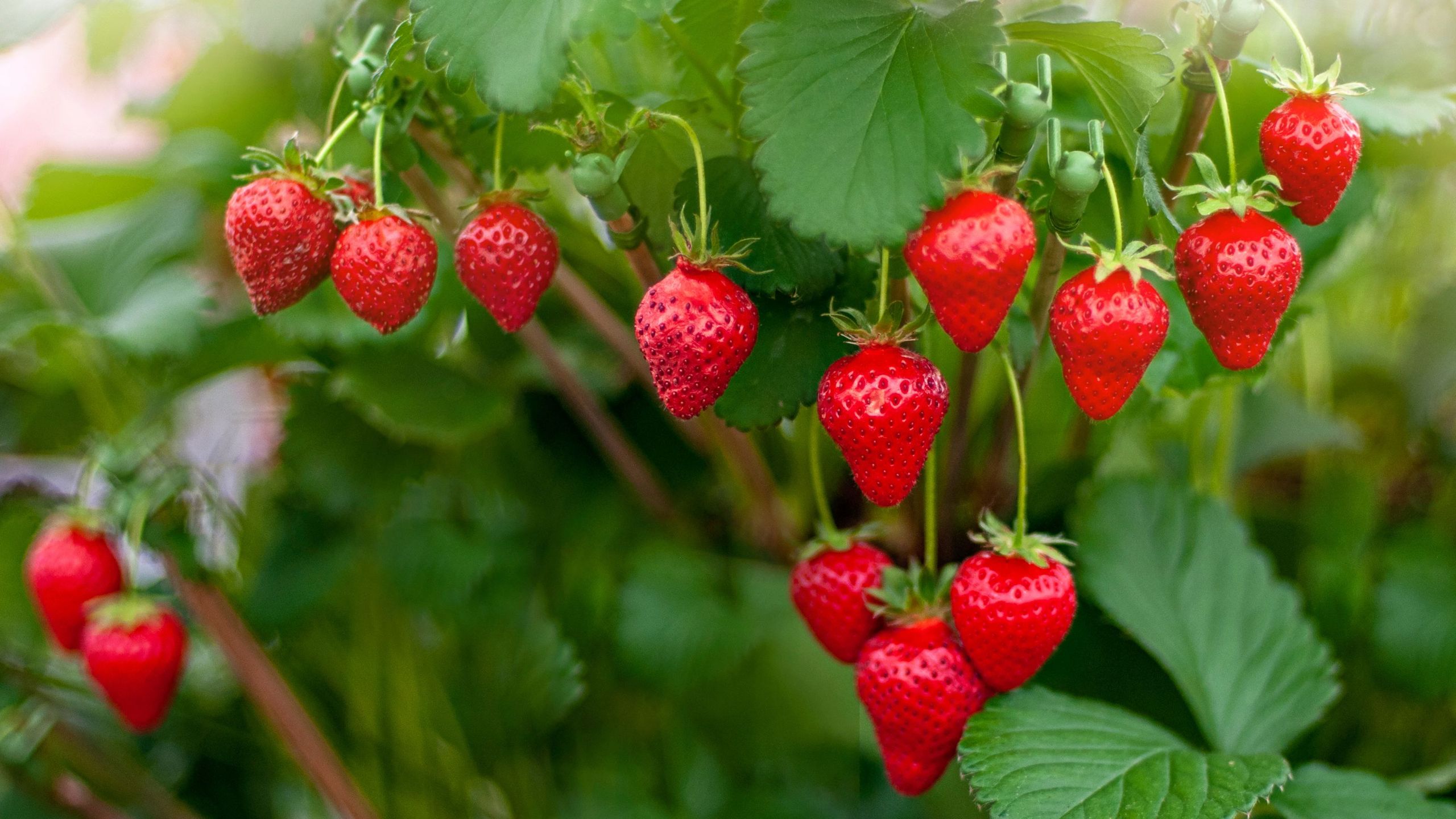
Strawberry season is coming to an end – but that doesn’t mean you should stop caring for your plants. Laying the groundwork now is key in ensuring a bountiful crop next year.
Pruning the leaves, managing runners and feeding are all essential parts of how to grow strawberries and these tips will help you keep the plants healthy and productive. They will also tidy your strawberry patch before winter sets in.
1. Trim back old leaves
Whether you are growing strawberries in pots or beds, your first task after fruiting is to trim back the old leaves. For this, sharp, clean secateurs are a must, as you don’t want to introduce disease to your plants. Wipe your blades with an antibacterial solution – these Milton antibacterial wipes, available from Amazon, make it really easy – then snip away any old, diseased or dead leaves. You should cut as near to the crown (the base of the plant) as possible.
Latest Videos FromIdeal Home
If you need new secateurs, check out the best secateurs – these Spear & Jackson secateurs from Amazon are a great budget buy.
Once all the dead and diseased leaves are cleared, turn your attention to the larger leaves. The aim is to thin the canopy to expose the crown to the sunlight. This will promote healthy new growth, which improves photosynthesis and fruiting.
‘Cut off the old leaves about 10cm (4in) above the crown to allow fresh leaves to develop,’ say experts from the RHS. ‘This isn’t necessary with perpetual strawberries – instead just remove any dead, damaged or diseased leaves during the end-of-season clear-up’
Leave the new fresh growth unpruned.
2. Snip off runners
Runners are both a blessing and a curse. Planting your strawberry runners lets you expand your collection for free. However, without regular maintenance, they can take over your garden and seriously impact fruiting.
Establishing runners consumes a lot of the plant’s energy, which reduces the plant’s capacity to fruit. Not pruning the runners is the main reason why my strawberry plant did not produce any fruit this year, and it’s a pruning mistake I won’t make again.
Strawberry plants only have a short lifespan – around two to four years – so it is a good idea to propagate strawberries from runners or grow strawberries from shop-bought fruit to replace the existing plants once they stop fruiting.
If you want to grow your strawberry collection or need to replace old plants, then select a few of the strongest runners to cultivate and remove the rest. However, if you are happy with your strawberry patch and your plants are relatively young, then you do not necessarily need to cultivate any runners at all and can cut them all back.
3. Remove old straw and lay fresh mulch
Adding straw mulch around the plants is one of the tasks to do with strawberries in April. It is a great way to shield the fruit from resting on the ground – which can cause rot and encourage pests. However, once the strawberry plants have finished fruiting, you should clear away the old straw along with any rotten fruit or fallen leaves in order to protect them from plant diseases in September.
If left, ‘the straw can become an ideal environment for fungal diseases, slugs and snails when damp,’ explains experts from the RHS. This can lead to Botrytis grey mould which can damage both the plants and future fruit.
If you don’t want to use straw, then mulch mats – available on Amazon – are a great alternative. However, these should also be removed after fruiting to aid airflow to the plant and reduce the risk of mould and rot.
If you used netting to protect the fruits – like this from Amazon – this can also be removed from strawberry plants after fruiting. This further aids air circulation and will let birds pick off any pests.
4. Maintain regular feeding and watering
Stopping your watering and feeding routine once your strawberry plants have finished fruiting is one of the most common garden watering mistakes.
Keeping the plants hydrated and nourished lays the groundwork for healthier plants next year.
Experts from Roots Plants also recommend a feed with general purpose fertiliser after pruning. ‘This encourages new growth the following year and means that your plants should crop well for about 3-4 years before you need to replace them.’
In spring, supplement with mulch around the crown and feed with tomato food – Tomorite from B&Q is highly recommended.
If you lay the groundwork now, you should be rewarded with a large, healthy crop of strawberries next summer.
Read the full article here