


If you’re growing top-heavy bloomers, fruiters laden with harvests or tall perennials, you’ll need a few of the best plant supports to hand.
It isn’t exactly a one-size-fits-all approach – some plants will benefit from bamboo canes and string, for example, while others grow best in a tailored hoop or ring that provides complete support. Peonies, peas and dahlias are the top contenders – but there’s a huge list of other plants that need staking during peak gardening season.
We’ve rounded up the best plant supports, breaking down our top contenders for floppy flowers, climbing plants, fruit and vegetables.


The best plants supports for flowers that flop
1. Support rings for floppy perennials
Plant support rings are the Wonderbras of the horticultural world. Ideal for top-heavy flowers like peonies and shorter dahlias, grow-through supports allow the plant to weave its way through the grid of its own accord, gently but firmly lifting blooms skyward. Or, you can pick up peony frames without a grid that simply get side support from the ring.
Plus, double bonus: the leaves often obscure the support itself. You can pick up a pack of three peony frames for £29.99 from Amazon.
Thompson & Morgan
Set of 3 Peony Frames
Crocus
Dahlia Circular Plant Support – Rust
Agriframes
Elegance Round Grow Through Frame
2. Netting or bamboo grids for cut flowers
As with the grow-through option above, the ideal scenario is that your plants work their way through your support naturally. For cut flowers, buying individual supports just isn’t feasible, so you need to go big. For more lightweight blooms, like phlox or cornflowers, stake netting in place horizontally along your beds.
This plant support jute netting from Amazon is perfect. Be sure to stretch it taught and secure firmly, as pigeons who love nothing more than perching on the twine and flattening the whole lot.
For the bigger guys, like dahlias and multi-headed sunflowers, build a frame out of bamboo. This is exactly what I do on my allotment, and it works a treat, and once built, can be reused every year.
Lang Horn
Lang Horn Plant Support Jute Netting
Crocus
Bean and Pea Natural Netting 1.8m X 1.8m
GardenSkill
Gardenskill Pea Master Heavy Duty Pea Frame Kit
3. Decorative supports for patio pots
If you’re after small garden ideas, a mini plant support or frame can elevate your container planting – literally – and give you so many more growing options.
I love these for dwarf sweet peas, 99p from Thompson & Morgan, which grow about 30-45cm tall. Ivyline’s Outdoor Pot Plant Support, £35 from Dunelm, is just the thing for the job.
Ivyline
Ivyline Pot Plant Support
4. Canes and string for just about anything
When your plant needs gentle encouragement to stay upright (and not something to train itself against), bamboo and jute string will often do the job. For single-stemmed plants like sunflowers, tying them to a well-placed cane, like these Verve bamboo canes, £6.50 from B&Q, can be all you need.
For multi-stemmed varieties like delphiniums and sweet rocket, and even dahlias, place three to four canes around the plant, angling outwards. Tie string around each one to create a loop around the plant to hold the stems in place.
Verve
Verve Bamboo Cane, Pack of 10, 240cm
Gardman
Gardman Jute Twine 500g Green
BLADO
Blado Thick Bamboo Canes
The best plant supports for climbing plants
1. Vine eyes and wire for training roses up walls or fences
I planted three climbing roses along my garden fence, and it’s one of the best things I did when I moved into our house two years ago. They soften the expanse of painted-black wood and create a beautiful aromatic wall of flowers. And with careful tying-in and knowing when to prune climbing roses, the structure is still beautiful in the winter months, too.
Vine eyes and galvanised wire are the best way to do this, as you create a series of horizontal supports that are bespoke to your plant, allowing you to train the stems in a fan shape to encourage more flowers from the new side shoots that appear. This garden wire kit for climbing plants from Amazon is a great way to get started.
First, think about the width and height you’d like the plant to cover eventually, then start marking out where the wires should go. You want the first one about 60cm above the soil, then each additional wire is spaced 30 to 45cm above that. A good rule of thumb is to use vine eyes every 1.5m to keep the wire in place, and these should be secured firmly to the wall or fence.
TooTaci
Tootaci 30m Garden Wire for Climbing Plants
2. Obelisks and arches for border height and interest
Obelisks and arches don’t just support – they steal the show. These are features in their own right. I have two steel obelisks in my garden that support a climbing rose and clematis, and yes, they are an investment, but they add such presence to your borders, especially if you’re lacking in trees or tall shrubs. This Barrington Obelisk Plant Support from Garden Trading is beautiful and durable.
Dramatic structures are also perfect for climbing annuals like sweet peas, cup and saucer vines and black eyed Susan, too. (Pro tip: you can combine annuals with perennials on your obelisks for multi-coloured displays!)
Crocus
Traditional Steel Obelisk
Garden Trading
Barrington Obelisk Plant Support, 180cm
Crocus
Traditional Obelisk – Rust
3. Trellises for feature walls
Trellis is ideal for a more permanent structure and works for anything that climbs, be it cucumbers or hydrangeas – yes, you can get climbing hydrangeas! And they don’t need to be boring, either. Try this Barrington Arch Trellis, £70 from Garden Trading, which has a beautiful criss-cross detail and combines beautifully with bare brick.
In my garden, I also have a trellis along the top of a fence where I have trained an incredibly vigorous clematis, plus a honeysuckle and climbing rose. It’s one of those great privacy-boosting garden ideas that adds beautiful colour and scent, too.
Garden Trading
Barrington Arch Trellis
Garden Trading
Charlbury Wall Trellis 30cm – Steel, Grey
Marco Paul Wooden Expanding Trellis
Best plant supports for fruit and vegetables
1. String for tomatoes
Growing tomatoes this year? My preferred tomato training technique is to fix a vine eye to the top of a fence, then plant the tomato with one end of a long piece of string under the roots.
I use Nutscene’s twine (this Tin O’ Twine from Amazon makes a great gift, too). I then tie the other end of the string to the vine eye and gently weave the stem around the now-taught string, with the plant anchoring the other end in place.
2. Cane structures for climbing vegetables
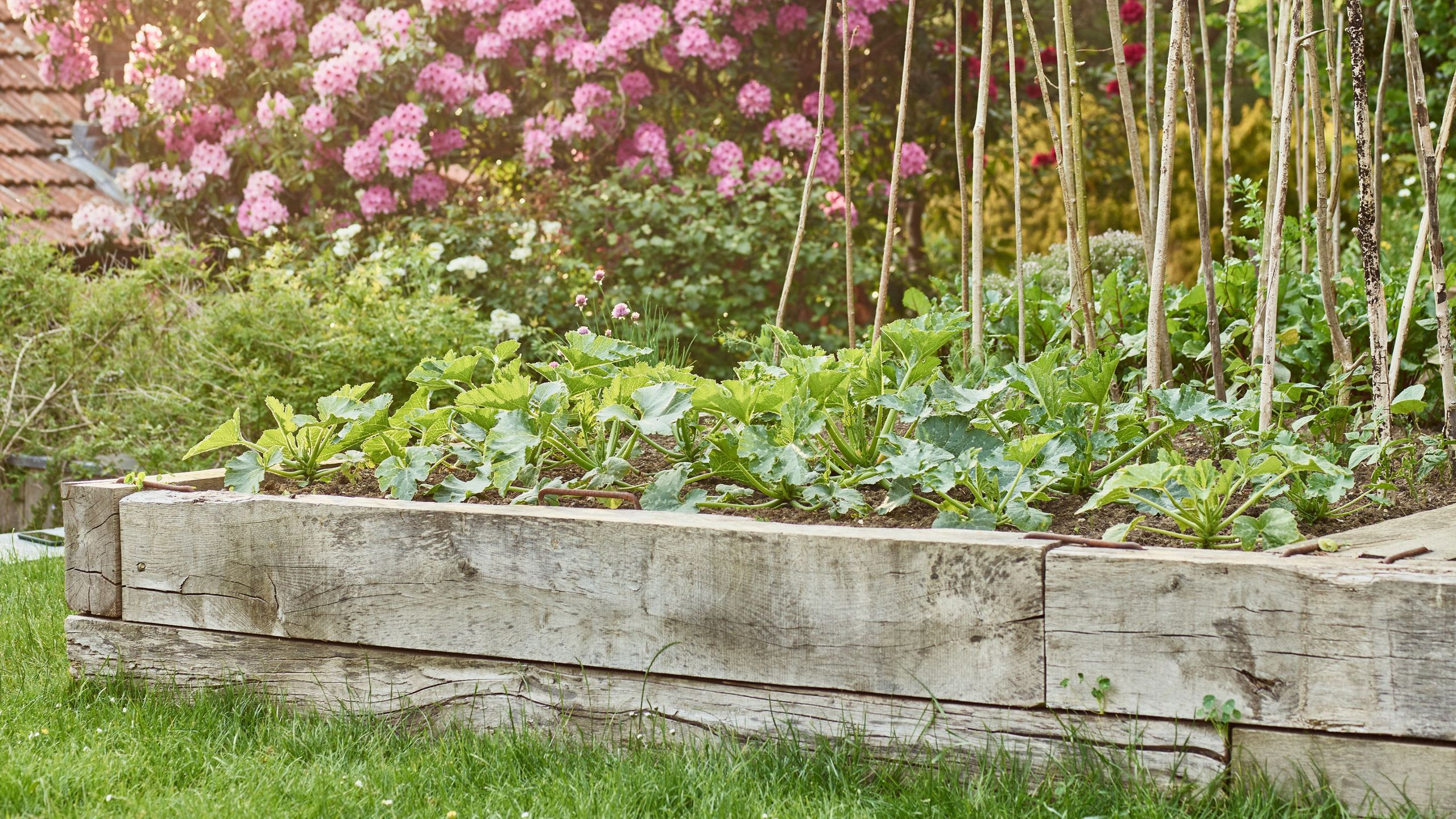
Classic, reliable and mercifully cheap, bamboo canes (like these Heavy Duty Bamboo Canes, £29.99 from Elixir at Amazon) are a staple for training climbing veg like beans and peas. Teepees and wigwams are your best bet, and be sure to push them securely into the ground and tie them tightly with jute twine at the tops, as you’d be surprised by how heavy the harvest will be!
Read our guide on how to create a wigwam if you need a helping hand.
Selections
Spiral Willow Garden Obelisks Plant Support for Climbers (1.15m High) – Pack of 2
I’ve learned over the years that investing a little time in plant supports early on saves a whole lot of drama later in the season.
The right support makes everything look that bit more intentional – and means you can enjoy your garden without rushing in with emergency string after a windy night.
Get them in before your plants need them, and they’ll quietly get on with the job of holding everything together.
Read the full article here