


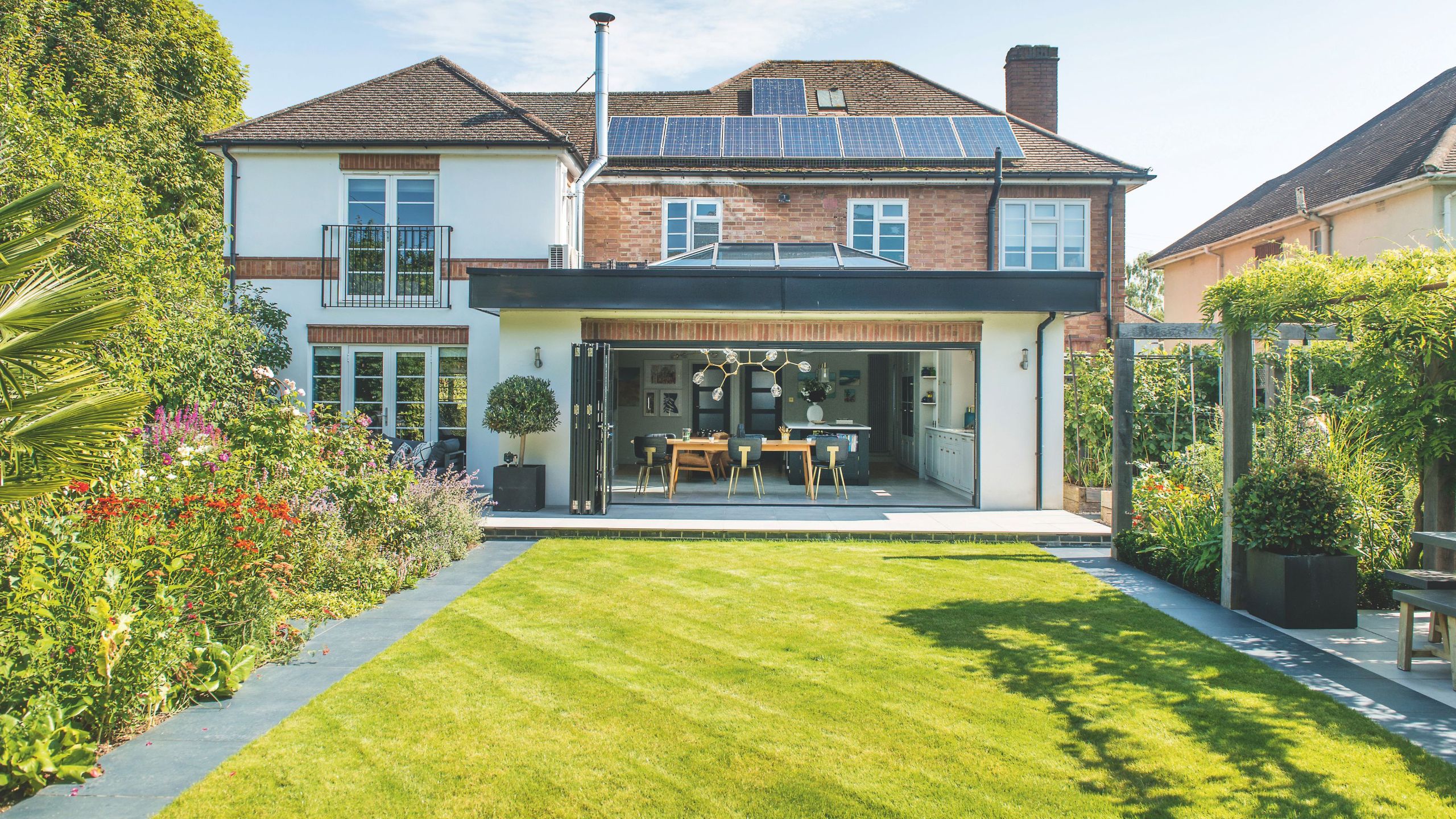
It’s been a hot summer with less rain than average, which means there is an increased risk of fire in your garden. So, I asked garden experts to share the hidden fire risks in a garden during a heatwave, and these are the five things they said.

Prolonged heat and dry weather can turn your garden into a fire risk, as dried-out grass, wooden fencing and even compost heaps become more flammable during a heatwave.

So, if you’re looking to heatproof your garden this summer and maintain a safe environment, here are five risks you need to be aware of.

Latest Videos FromIdeal Home

1. Garden mirrors

While garden mirrors can be used as a clever trick to make your garden look bigger, they can also increase your risk of fire during periods of hot, dry weather.

‘If a mirror or reflective ornament is positioned in direct sunlight, it can create intense hot spots, so it’s best to move them away from dry plants, fences and sheds as a precaution,’ says Luke Newnes, garden expert at Hillarys.

Plus, birds are vulnerable to flying into mirrors, so they are best avoided if you have a wildlife garden anyway.

2. BBQs

While the best BBQs are a summer staple, it’s also unsurprising that they carry a great fire risk, too. So, if you plan on grilling up a storm, you need to be aware of the safety risks, too.

‘Safety is an absolute must when it comes to using your fire pit or BBQ, especially during hot and dry conditions. While positioning it near seating is great for making the most of the equipment, avoid placing it too close to ensure everyone stays a safe distance from the heat and fire. Aim for at least seven feet between the seating and the fire pit or BBQ,’ says Adam Oldfield from outdoor living specialists StovesAreUs.

‘You should also position it in an area with ample clearance from surrounding hedges, trees, sheds, and the house to minimise fire hazards and ensure proper ventilation. You should position fire pits, BBQs and outdoor heaters on level ground, away from foot traffic and avoid placing them on grass or wooden decking. In regards to BBQs, never use petrol or other accelerants to start a fire, and only burn high-quality charcoal that is intended for BBQs. Keep a safe distance while lighting, and allow coals to cool completely before disposing of them.’

3. Outdoor electrical equipment

Heat and electricals don’t tend to mesh well together, so make sure to check your garden lighting, cables and tools for damage, and ensure they don’t overheat, either.

‘Outdoor electrical equipment is another area that deserves attention. Garden lighting, extension cables and water feature pumps are easy to forget about, particularly if they’ve been outside for several seasons. If something is damaged or weathered, hot conditions can make problems worse, so it’s worth giving everything a quick check and switching off anything that isn’t needed,’ says Luke.

4. Garden waste

Right now, gardens will be very dry, making your garden waste, for example grass cuttings, more flammable.

‘Keeping your garden well-maintained can help reduce the risk of fire. Keep lawns short around patios, sheds and fences, and remove any piles of dry grass clippings. If conditions are particularly hot and dry, avoid using petrol lawn mowers, as hot engines can ignite dry material,’ says Tom Douglas, Senior Gardening Buyer, Plant Buyer at Cherry Lane Garden Centres.

‘Clear away dry leaves and garden debris from around decking, fences and outdoor seating areas, and make sure barbecues and fire pits are positioned well away from anything flammable. Where possible, replace mulch with gravel around cooking and entertaining areas, as gravel is far less likely to catch fire.

‘Compost heaps can also generate heat, so keep them moist during prolonged dry spells and turn them regularly to release any built-up heat.’

5. BBQ and fire pit ash

Lastly, as well as your BBQ, you need to keep an eye on its ash as well. This means not disposing of ash straight away, and allowing it to fully cool first.

‘Old barbecue ash is another commonly overlooked risk. Many people assume everything is safe once the flames have gone out, but charcoal and ash can hold heat for longer than expected. During a dry spell, it’s always worth making sure barbecues, fire pits and ash containers have completely cooled and been stored safely,’ says Luke.

Garden cooling essentials

‘Prolonged heat and dry weather can quickly turn an ordinary garden into a fire risk, as dried-out lawns, timber fencing, compost heaps and decorative mulch can all become highly combustible during a heatwave,’ Tom concludes.

So, it’s important to assess the risks facing your garden and act accordingly. As always, prevention is better than a cure.

Read the full article here

Share.
Leave A Reply

Exit mobile version