







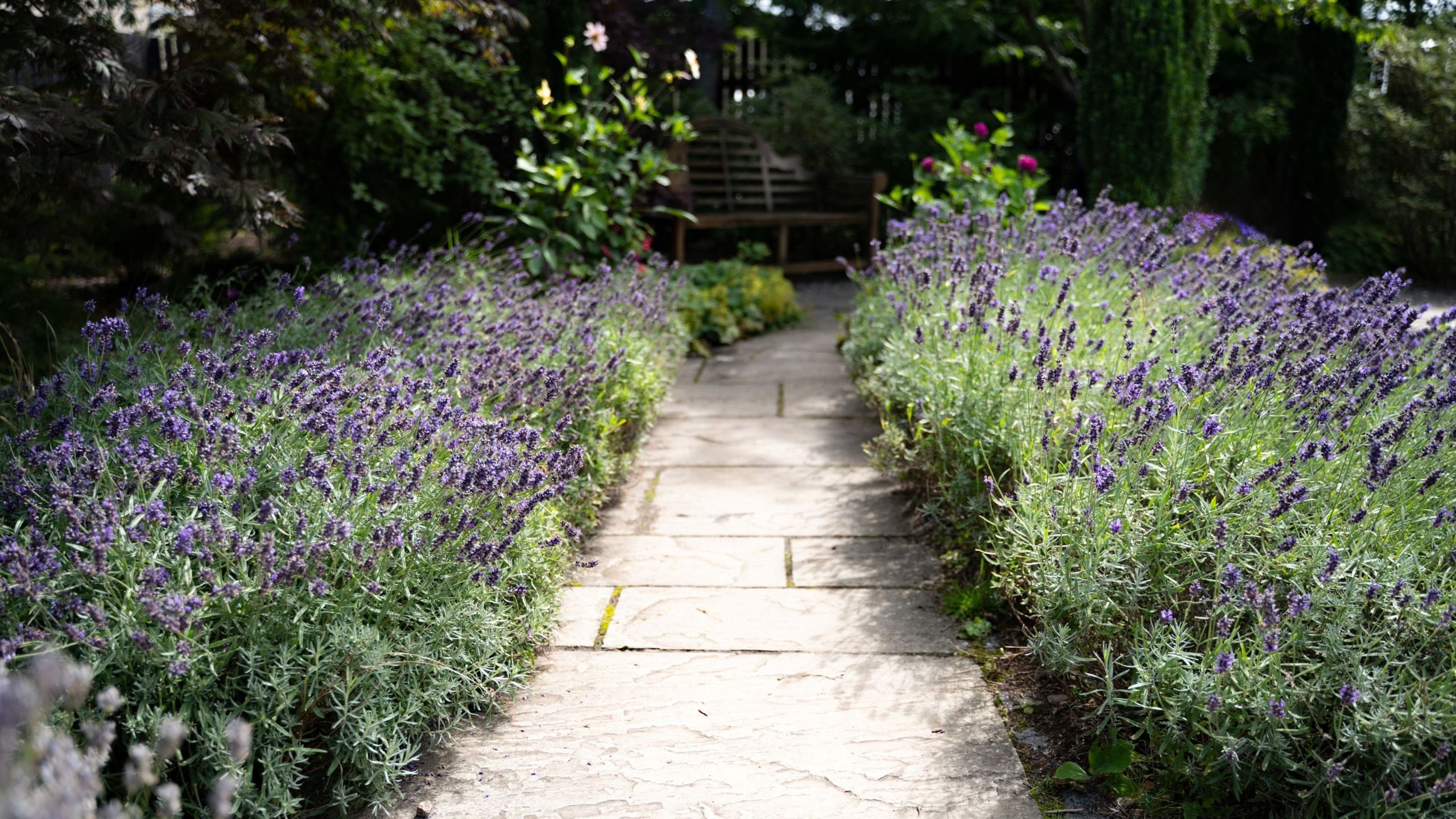
While this year’s long, hot summer left many of the plants in my garden suffering in the heat, the lavender wasn’t one of them. Despite very little water and not-much looking after, the lavender thrived and looked great all summer long.
But with summer over, it has started to look a little straggly, so finding out what to do with lavender in October is top of my autumn to-do list to ensure it comes back happy and healthy next year.
‘A Mediterranean staple, in October, the main job with lavender is to finish any autumn pruning early in the month, then leave it alone and focus on winter prep,’ advises Julian Palphramand, Head of Plants at British Garden Centres.
Latest Videos FromIdeal Home
Read on to find out the key tasks you need to focus on this month to ensure your lavender finishes off the season in prime condition.
1. Give lavender a final trim but don’t prune it
When it comes to when to cut back lavender, the ideal pruning window is late summer, right after the flowers have faded and the bees have stopped visiting, but it’s not too late to give straggly lavender a tidy-up.
‘If you haven’t pruned your lavender yet, do a light tidy-up as soon as possible,’ advises Julian. ‘Remove all the old flower stems and trim back about 2cm of the current year’s green growth to keep the plant compact and mounded, but don’t cut into the old, bare wood.’
Lavender rarely regrows from old wood, producing most of its new growth from younger stems that still have leaves and cutting into old, woody stems can permanently harm the plant and put it at risk of frost damage.
‘Finish pruning by early to mid-October at the latest, so the plant has time to harden off before the first frosts,’ adds Julian. ‘But if you’re in late October and frost is close, it’s better to wait and do a light tidy in late February or March instead.’
‘When growing lavender, avoid pruning in October,’ agrees Craig Wilson, co-founder and gardening expert at Gardeners Dream. ‘If you cut back your lavender now, the freshly cut stems will be vulnerable to frost, which could kill your plant altogether. Your lavender can wait until springtime to be pruned to keep it well protected in the cold weather’
Shop these tidying essentials
Kent & Stowe
Carbon Steel & Red Precision Garden Snips
Burgon & Ball
Traditional Garden Trug
Easy Shopping
Small Flexi Garden Tub
2. Make sure your lavender isn’t sitting in soggy soil
After this year’s hot summer, low-maintenance Mediterranean plants like lavender have become a top pick for gardens going forward, but as with any sun-loving plant like this, our wet British weather can be a problem, so special care should be taken over autumn and winter.
‘As the autumn rain hits, you do need to make sure your lavender is sitting in well-drained soil and not wet, water-logged conditions,’ advises Craig. ‘If any leaves or old foliage are covering the soil, it can keep the soil too wet, which will lead to rotting. Therefore, be sure to remove any debris from the base of your lavender to improve its drainage.’
‘For hardy English lavender in the ground, good drainage is really important,’ adds Julian. ‘If your soil is heavy, add grit around the base and avoid mulching right up to the stems, which can trap moisture and encourage rot. BetterGrow coarse grit, from £5.99 at Amazon, is a great option.
‘In very exposed or wet gardens, a loose cover of straw or evergreen boughs over the plant can help protect it from harsh weather, but don’t wrap it tightly or it will sweat and rot,’ adds Julian.
3. Keep care to a minimum
‘When it comes to looking after lavender in the autumn months, keep care minimal,’ advises Julian. ‘You don’t need to feed lavender in autumn, as extra nitrogen just pushes soft growth that winter will hit harshly.’
‘And when it comes to fragrant shrubs like lavender in borders, you don’t need to water established plants unless the autumn is exceptionally dry,’ adds Julian.
When winter does arrive, you should avoid watering lavender in beds and borders if the soil is frost-free and permeable; otherwise, roots could be damaged if the water in the soil then freezes due to cold temperatures.
4. Bring potted lavender indoors if necessary
‘The type of lavender you have will depend on whether or not you need to bring your plant indoors over winter,’ advises Craig. ‘For example, French or Spanish lavender will need to be brought indoors, either into a greenhouse or on a windowsill, to avoid them being harmed by the upcoming frosty weather.’
‘When it comes to overwintering lavender in pots, move tender types in pots such as French and Spanish lavender into a sheltered spot, greenhouse or cold frame before the first frost,’ adds Julian. ‘Raise them on pot feet so they don’t sit in water, and stop watering from October through to March except in prolonged dry spells.’
Shop for plant pot feet
Colwelt
Italian Terracotta Pot Feet – Set of 3
Coopers of Stortford
Invisible Plant Pot Feet – Set of 24
Crocus
Blue Glazed Pot Feet – Set of 3
How did your lavender fare this summer? Let us know.
TOPICS
Read the full article here


