



Now that I’ve been working from home for more than six years, a period which has included some of the hottest days on record, I like to think I’ve nailed my process for keeping my home cool.
While I have fitted air conditioning in my living room, and a portable air conditioner and a brilliant fan I can use where I need to, I’m also a big believer in more passive (and energy efficient) cooling methods, like solar control, cross ventilation and night flushing.
However, there’s one method I’ve sworn by over the years — keeping all windows closed during the hottest part of the day (as well as blinds and curtains) — that has felt less effective in my home in the most recent and prolonged heatwave.


While this method has undoubtedly been effective when we’ve had the odd hot days, preventing the worst of the heat from entering my home, the length and intensity of the most recent hot spell has been one of the most extreme I’ve experienced.
When I’d kept the windows and blinds shut, especially upstairs, the build up of heat felt far more noticeable to me than ever before. If I needed to go upstairs for anything, I would get to about the ninth step before my head would enter a stifling blanket of heat. Something about entering that environment head first made it seem all the more acute.
Then at night, when the temperature cooled slightly outside, I would open all of the windows to get some cross ventilation going, but the heat didn’t seem to escape. I’d even point fans out of the open windows to help give the night flushing a helping hand, but it still remained far too hot to sleep upstairs. Fortunately, I have a comfortable air bed (this Silentnight king sized air bed, £57.99 at Amazon that is also the top pick in our best air beds guide) that means I can decamp to the living room for a cooler night’s sleep.
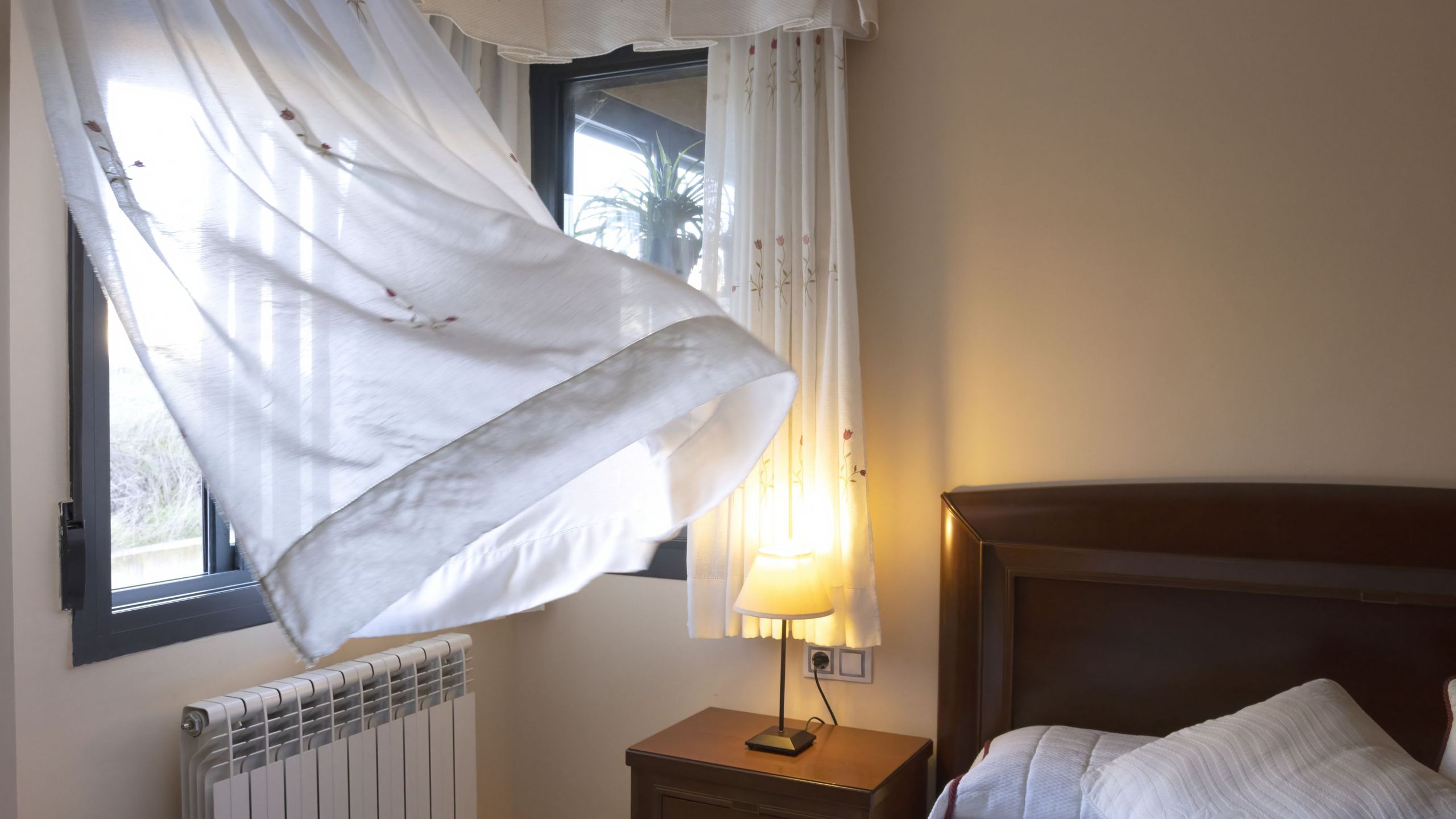
After the first couple of days of the heatwave, and the accumulation of heat, I decided to leave the upstairs windows open (but curtains mostly closed, with a small gap in the centre) to see how much of a difference it made. And interestingly, it definitely made the stifling blanket of heat considerably less oppressive as I headed up the stairs.
Admittedly, it was still very warm (and in most cases, when temperatures exceed 30°C, there’s only some much you can do before you need to resort to active cooling measures like fans and air conditioning to create a cooler environment), but it didn’t feel any warmer than before, when I’d had the windows closed.
And granted, if my home was oriented in a different way, and I had rooms that were naturally shaded and cool despite the heat outside, then keeping the windows closed would be essential to maintain that coolness for as long as possible. However, my home’s orientation and position in a little sun trap mean that it seemingly feels the full effects of the sun from the moment it rises until it sets.
By leaving the upstairs windows open, and this may have been due to a bit more of a breeze outside, it felt like the night flushing was more effective too (although I did end up sleeping with two fans — one blowing on me, and one blowing out of the window).
While having the upstairs windows open may have been a bit of a placebo in terms of its effectiveness, managing solar gain by keeping my blackout curtains closed whenever the sun is out is still an absolute no-brainer for me. Upstairs curtains will be closed for most of the day, and I’m tactical about when I close my kitchen curtains so that I can still enjoy the daylight, but just keep the worst of the heat gain at bay.
Shop my summer gamechangers
Silentnight
Air Bed King With Built in Pump
This air bed is not only comfortable, but it’s really easy to set up and put away, which is ideal if the heat means I need to sleep in the living room.
Dunelm
Berlin Blackout Eyelet Curtains
I’ve replaced all of my curtains with blackout versions that are brilliant for keeping the sun out, and they’re just as effective for keeping the heat in during winter too.
If you enjoyed reading this, sign up for the Ideal Home newsletter for all the latest home decor trends and inspiration delivered straight to your inbox
Read the full article here