






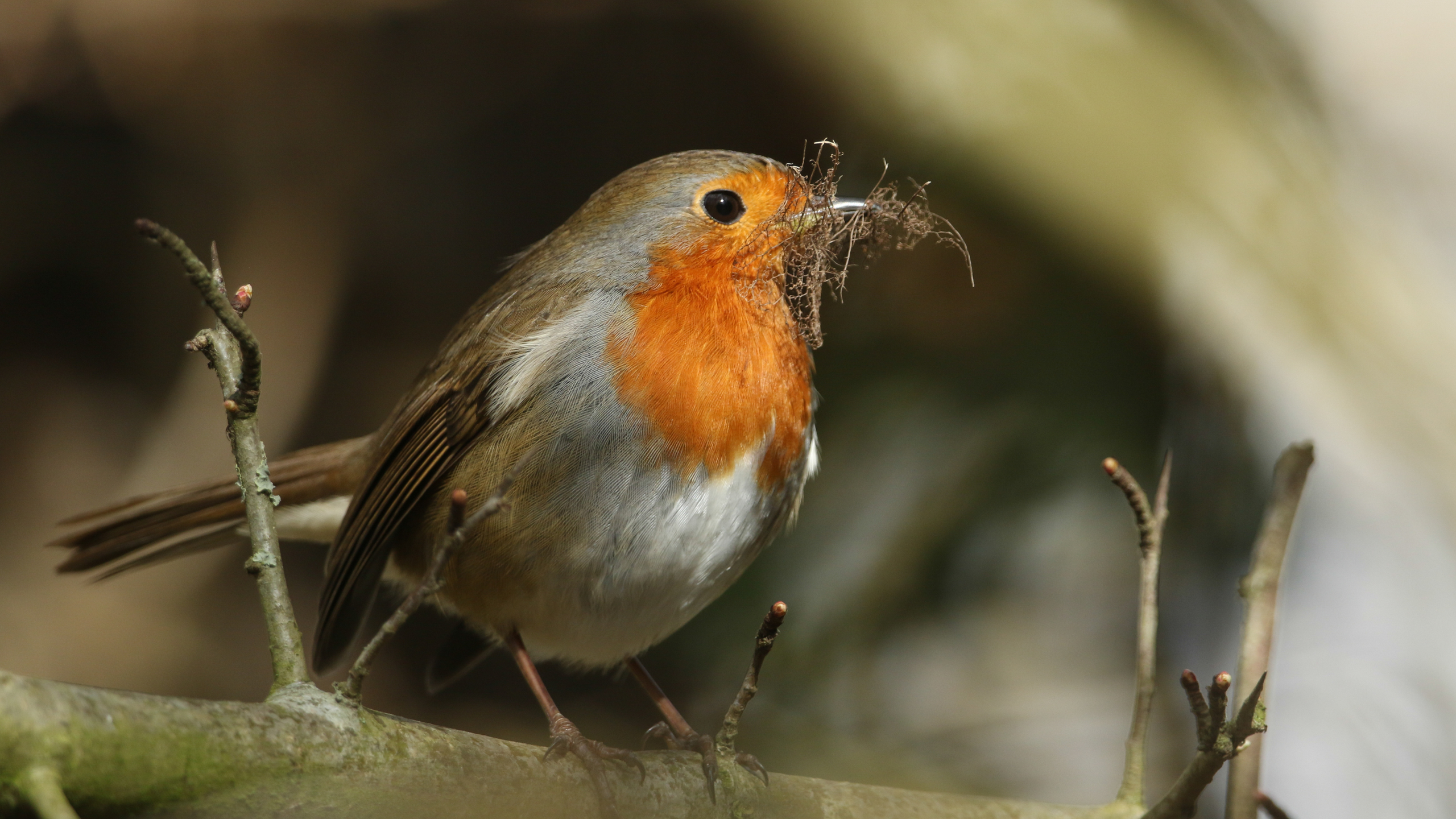
Wildlife experts have revealed the best nesting materials to leave out for garden birds this summer and advised on the best ways to support them during nesting season.
Typically, nesting season for birds runs between 1 March and 31 August, and anyone who attracts birds to their garden should know that during this time, birds are protected from the Wildlife and Countryside Act 1981.
While this piece of legislation means it is illegal to disturb nesting birds during nesting season, there are still some things you can do to support these feathered friends. This includes leaving out nesting materials – such as twigs, moss and even untreated pet hair – for birds to take to build their nests.


Why do nesting birds need support?
Nesting season is one of the most important times of year for birds. During this time, birds are dedicated to raising their young, so naturally, access to food and shelter is a priority.
‘Nesting season is one of the most demanding times in a bird’s life – they need to build nests, defend territories, incubate eggs and find enough food to feed rapidly growing chicks! Any support we can provide, whether that’s safe nesting sites, natural materials or reliable food and water sources, can help improve their chances of successfully raising a brood,’ explains James Ewens, wildlife expert at Green Feathers.
‘Gardens have also become refuges for birds, so creating a bird-friendly space can make the world of difference as birds face habitat loss – particularly in urban areas where natural nesting habitats may be limited.’
Before we get into the nesting materials you should leave out for birds, it’s important to emphasise that you should avoid cutting back your hedges during nesting season. Many birds in the UK, including robins, make their nests in hedgerows, so avoid any large pruning jobs until the autumn, so you don’t risk disturbing them.
What materials should you leave out for nesting birds?
‘Birds prioritise safety in nesting season over anything else – they want their chicks to survive after all. They want to create a structure that’s strong enough to hold eggs and growing chicks, while also keeping them warm and safe,’ James explains.
‘Their building techniques differ; blackbirds often use mud to strengthen their nests, while species like long-tailed tits weave together moss, feathers and spider silk to create a remarkably soft, flexible nest. Ultimately, birds are looking for materials that provide safety, insulation and stability throughout the breeding season.’
If you want to support the birds nesting in your garden or locally to you, there are a few different materials you can leave out to support them.
‘Late nesters such as finches will still be creating cup-bowl nests as we leave spring and shift into summer. Goldfinches use natural fibres – dried grasses, thistles, twigs, weeds, tree bark – teaming them with softer finds to create perfect homes for their chicks – from dandelion seed puffballs to willow and poplar down, lichen, moss and cobwebs. While it’s tempting to strip back the dandelions, leave their magical flowers and puffballs for the birds,’ explains Ruthie Collins, writer, artist, poet and wildlife expert who works with local authorities and leading wildlife and nature charities to help communities take part in conservation via her business Natural Wonder.
‘You can leave materials bundled together hanging from trees, on a bird bath, or out in an empty bird feeder – there are plenty of ready-made hanging crafts you can find to fill with suitable materials, but it’s ideal to just make your own completely natural bundles to hang out for the birds – a lovely activity to do with children.’
When making these bundles, you should avoid man-made fibres as these can tangle within the nests. You can use pet fur, but you should never use pet fur if your pet has been treated with flea treatment or any other chemicals, as this can harm birds. If you’re unsure, you can pick up untreated wool for £8.99 on Amazon.
You can also buy a nesting material holder if you don’t have the time to make your own bundles. These holders can be hung from trees, near hedges, feeders, or bird baths for birds to take materials from as they need. I like this ceramic nesting egg (£11.99, Amazon).
‘Create a grass and leaf pile with grass clippings and fallen leaves – this can later be turned into compost,’ says Ruthie.
‘Use natural fibres (e.g., long grasses or jute) to tie your building materials. Leave out grasses, roots, leaves, twigs, moss, lichen, feathers and natural plant fluff such as catkin fluff.
‘Don’t forget mud, glorious mud! With any extra heat, particularly in peak nest-building season in springtime, mud is harder for birds to find, which they need to bind nests together. Create a little mud bath for birds in your garden to use for their nests, or to bathe in for those that need it’
Why you should add a nesting box to your garden
As well as providing nesting materials, you should also think about providing a physical nest. Nest boxes are affordable garden additions that genuinely help birds. Just bear in mind that different birds prefer different boxes. For example, robins prefer open-fronted boxes, while swifts need a specific swift box.
‘Birds are simple to provide for as they’re driven by survival. Birds need safety in their environment and their food supply. Providing a nest box is one of the best ways to support birds as it gives them a safe haven – protecting them from predators, harsh weather conditions, and gives them a sheltered environment,’ says James.
‘Don’t over-tidy your garden as birds can use those supplies for building their nests, like dense shrubs, and leaving out some natural materials like twigs, moss and leaves is also helpful.’
Gardman
Gardman Nest Bird Box, Brown, 14x14x24 Cm, A04381
This box is suitable for a variety of songbirds including Great Tits, Pied Flycatchers, Tree Sparrows and House Sparrows. Try to position it two meters off the ground, away from predators.
Crocus
Bird Nesting Wool Dispenser
This nesting material despenser makes it really easy for birds to acces the materials they need. Simply hang from a tree in your garden with your chosen materials – ideally near a feeder or bird bath.
Sheep Unique
Bird Nesting Material – 100% Pure Natural British Wool
Sheeps wool is great for birds to line their nests with and make it extra cosy and comfortable for new chicks.
Now is such an important time to support your garden birds. While you should take great care not to disturb them, leaving out the right materials, investing in a nest box and leaving areas of your garden a little wild can be a huge help.
Read the full article here


