






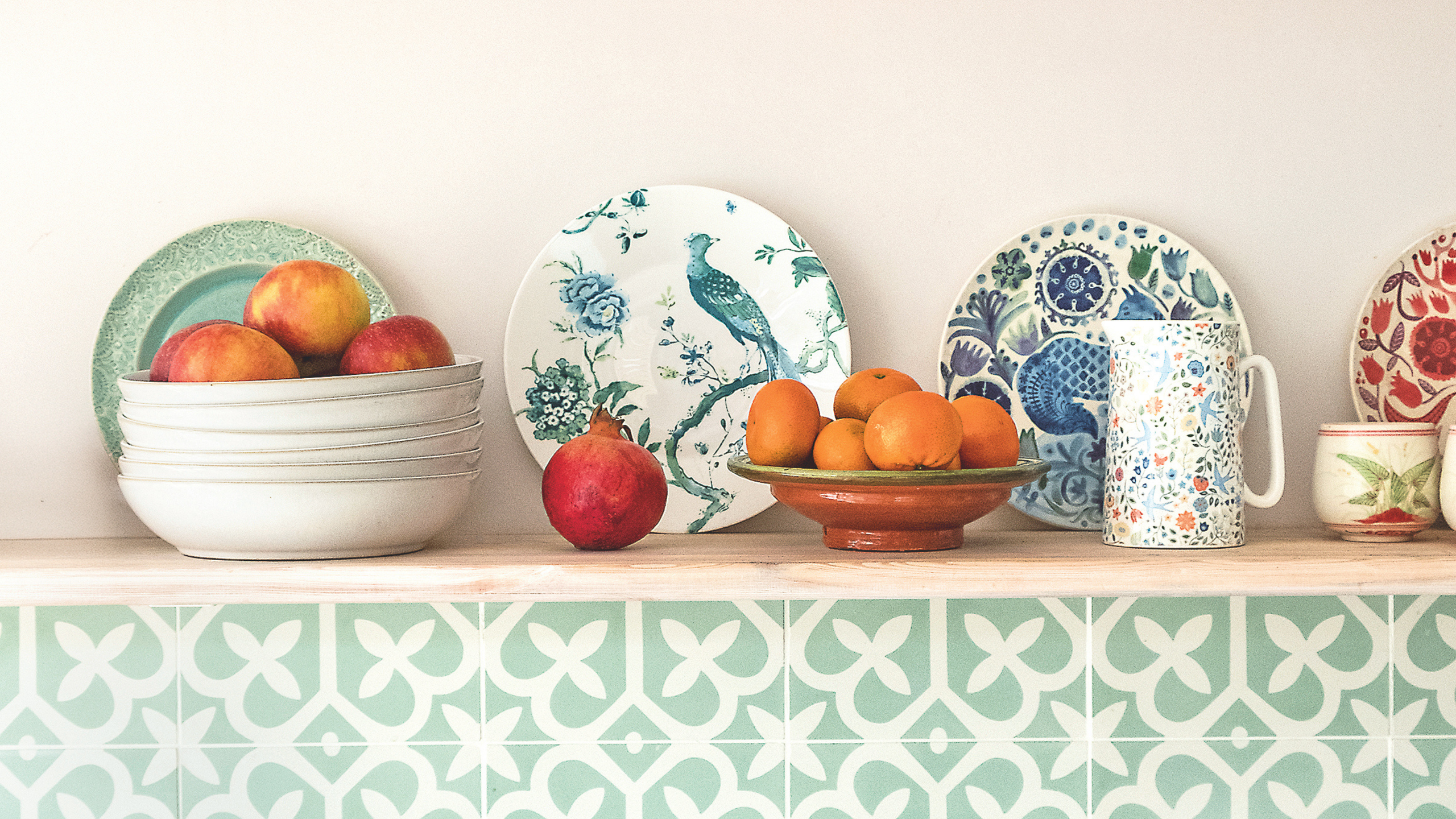
I don’t know about you, but I’m seeing more and more slow-moving tiny flies buzzing around my kitchen as we head into summer. But while attracted to my fruit bowl, these are not fruit flies I’m dealing with, but vinegar flies – and they’re likely to be the same flies plaguing your kitchen, too.
There’s nothing I hate more than flies in the house, to the point where I’m willing to try any method to get rid of flies. This includes the more bonkers methods, too, such as the cucumber hack, which uses scent to deter these pests.
Frequently confused with fruit flies, vinegar flies are often the small, buzzing pests we see circulating fruit bowls and kitchens during summer. I asked the experts exactly what vinegar flies are and how to stop them from entering our homes.


What are vinegar flies?
‘Vinegar flies are actually the flies that you see buzzing around in summer, not fruit flies. Vinegar flies are the tiny ones with red eyes, whereas fruit flies are actually much larger (about the size of a standard housefly) and are an agricultural hazard. This is because the true fruit flies lay their eggs through the tough skins of healthy, growing fruit, which can destroy crops,’ explains Ryan Kaila, food waste expert and waste and recycling manager at Kingfisher Direct.
‘Vinegar flies, on the other hand, can not do this, and are only attracted to rotting food, feeding on fermenting liquids, yeast, and decaying or overripe organic matter. The majority of people, especially in the UK, refer to vinegar flies as fruit flies.’
When fruit overripens, its natural sugars start to ferment, and the scent this releases attracts vinegar flies to your home. And vinegar flies can lay many eggs. A female vinegar fly can lay as many as 500 to 2,000 eggs in her lifetime, and these hatch 24-30 hours after being laid.
‘As fruit ripens, it essentially ferments, releasing compounds that vinegar flies can detect from miles away. And for food-related businesses, this can be a problem, because they’re not just attracted to fruit. Compost and food waste, kitchen drains, alcohol and sugary drinks, even unwashed bottles, glasses, and recycling can appeal as a breeding site, so you can find yourself inundated easily,’ says Adam Juson, pest expert and founder of commercial pest control company Merlin Environmental.
How to get rid of vinegar flies
Vinegar flies are quick to breed, unhygienic and a nuisance to have in your home, and the best way to get rid of them is by removing the source of the problem. So, during summer, it can be a good idea to remove your fruit bowl and refrigerate the fruit, or use produce savers to extend their shelf life. I find Lakeland’s StayFresh Sheets (£9.99) to be really helpful at extending the life of my fruit bowl, delaying overripening.
‘The best way is to remove the source. Removing the source of the flies will mean that they go away and stay away, so check for any decaying and fermenting foods and throw away any fruit that is overripe, split, leaking juice or starting to smell sweet and fermented,’ says Ryan.
‘If the fruit/food was in a container, you’ll then need to thoroughly wash it before putting anything else back in it. This is because it’s incredibly easy for sticky residue or juice to sit at the bottom of it, which will keep attracting the flies.’
‘I also recommend emptying your food waste caddy more often in summer. Anything from fruit peels, apple cores, banana skins, etc., can all ferment very quickly in warm kitchens, especially if your caddy is placed in the sun. As well, some caddies might not close properly. If this is the case, try to make sure they’re always sealed as tightly as possible; they’ll be an instant attraction for these flies.’
With new Simpler Recycling rules in place in England, every household has a food waste bin, and it can be tricky getting rid of flies from a food bin, as it is their ideal environment. Caddies such as the Joseph Joseph Waste Caddy (£29.99, Amazon) have built-in anti-odour and moisture filters to reduce the scents that attract flies, as well as having a tight-fitting lid.
‘Clean thoroughly, washing fruit bowls, worktops, and nearby surfaces to remove sticky residue,’ adds Adam.
‘Clean drains, flushing with boiling water or using an enzymatic drain cleaner to remove organic build-up. Use a trap, such as apple cider vinegar with a drop of washing-up liquid in a covered container, to reduce adult numbers.’
Adam is keen to point out that the flies are the symptom – you need to be more careful of the thousands of eggs potentially being laid in your home instead. So, good hygiene is paramount to keeping your home vinegar fly-free.
StayFresh
6 Stayfresh Sheets With Rypen Technology
These Lakeland StayFresh are really good at extending the life of your fruit bowl. They work by absorbing ageing ethylene gases to slow the ripening process.
Joseph Joseph
Joseph Joseph Intelligent Waste, Stack 4 Kitchen Food Waste Compost Caddy
The food waste caddy has a ventilated design to help reduce odours and moisture. It also has a tightly fitted lid to prevent pests from entering.
Zero In
Zero In Fruit fly trap, Pack of 2
This discreet non-spill trap attracts flies before trapping and killing them. They’re safe to use around food preparation areas, garden seating areas and open bottles of wine.
Honestly, the thought of these pesky flies makes my skin crawl. However, by removing my fruit bowl, regularly cleaning my food waste bin and kitchen, I won’t have to put up with this problem this summer.
Read the full article here


