

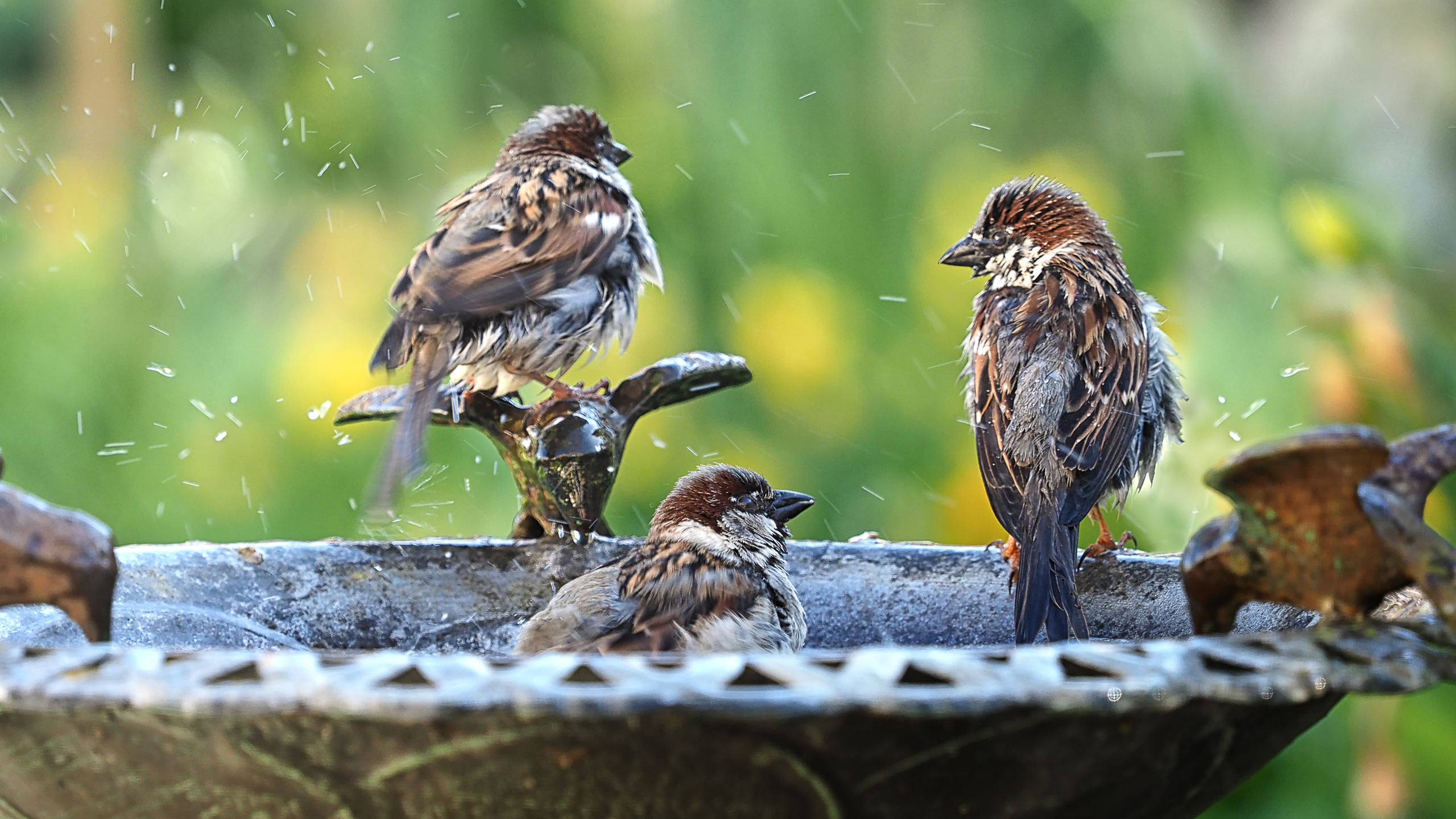
House sparrows may not be one of the most colourful birds you’ll find in your garden, but they are a favourite amongst the nation due to their cheerful chirps and preference to live in proximity to humans.
If you’re looking to attract birds to a garden, there are easy ways to do this. However, different species have different preferences, and if you want to attract sparrows, you’ll need a particular type of birdbox to keep this fussy visitor happy, according to wildlife experts.
‘House sparrows have seen a significant national decline, with populations dropping by up to 70% since the 1970s. Reduced nesting opportunities in modern buildings and fewer natural food sources are believed to be contributing factors. Supporting them helps protect a familiar yet vulnerable garden species,’ explains Dr Elliot Goodwin, Practice Owner at Vets for Pets Hereford.
One thing that gardens that attract lots of birds always have is a bird box, and sparrows have a very specific preference.
‘House sparrows prefer slightly larger nest boxes and often choose to nest in loose colonies. Positioning several boxes close together, or using a colony-style bird box, works especially well. These birds naturally favour buildings and sheds rather than trees, so placing boxes high on a wall – ideally up to 4m under the eaves – is ideal. A 32mm entrance hole gives them the right amount of space,’ says Dr Elliot.
‘Avoid isolated trees, hedges or wooded areas, as these locations are less suitable for house sparrows. Instead, place bird boxes on buildings or sheds where sparrows feel safer and more secure.’
Selections
Selections Sparrow Colony Wooden Nesting Box Terrace Bird House
Happy Beaks
Happy Beaks Oakham Sparrow Terrace Nesting Box
vidaXL
‘vidaxl Sparrow Nesting Box – Solid Wood Bird House With 3 Chambers – Bird Nest for Garden – Brown
You also need to consider the height and angle of where you place your boxes for sparrows to make them their home.
‘Positioning is crucial for sparrows, while sociable creatures, they much prefer a quiet area for nesting. Position the box 3-5 metres off the ground, and ensure there’s a clear flight path that isn’t blocked or made inaccessible by trees or hedges,’ says James Ewens, wildlife expert from Green Feathers.
‘Tilt the box slightly forward to ensure rain can run straight down from the roof of the bird box, or opt for one with a slanted roof. To shelter as best as possible from sun and rain, position the box in the north, north-east or south-east direction to avoid direct sunlight, overheating and heavy rainfall.’
What else can you do?
‘Birds ultimately want and need safety for survival. They’re big fans of seeds, so ensuring your bird feeder is topped up with sunflower seeds and millet not only attracts them to your garden, but also helps them survive and thrive – especially when food is scarce in the cooler months,’ says James.
‘Keep water topped up for bathing and hydration, and keep it fresh and ice-free by replenishing it regularly. They prefer habitats with dense foliage, especially ivy, as they like to build messy nests with materials like dried grass and vegetation.’
Dr Elliot agrees, also noting the importance of planting bird-friendly plants.
‘Offering a mixed seed blend in a safe feeding area, planting bird‑friendly plants and shrubs, plus keeping cats indoors or ensuring they have a collar bell during fledging season, can all make a huge difference. Young sparrows are especially vulnerable to predators, and many are brought into vet practices each year after encounters with cats,’ he says.
Sparrows are an important part of your garden’s ecosystem, and therefore, it is important to lend a helping hand where you can.
Read the full article here