



Stinging nettles aren’t the most pleasant weeds out there – the clue is in the name – but should you actually get rid of nettles in the garden?
Well, before you start researching the best ways to remove nettles, it’s worth learning about the wildlife benefits they have to offer. Sure, most weeds have their biodiversity merits – but according to experts, nettles cater to one pollinator in particular: butterflies.
I even spotted nettles in an award-winning show garden at this year’s RHS Chelsea Flower Show – so it’s safe to say they’re becoming recognised as a star of the show rather than a background character (or worse, something to banish entirely). If you’ve been wondering if you should get rid of nettles in your garden, take a look at what the experts say first.


When we talk about the weeds we should leave in a garden, it’s usually flowering types like clover and dandelions that get the spotlight. Bees adore them, obviously – but butterflies are crucial pollinators, too, and there’s one weed that they love even more.
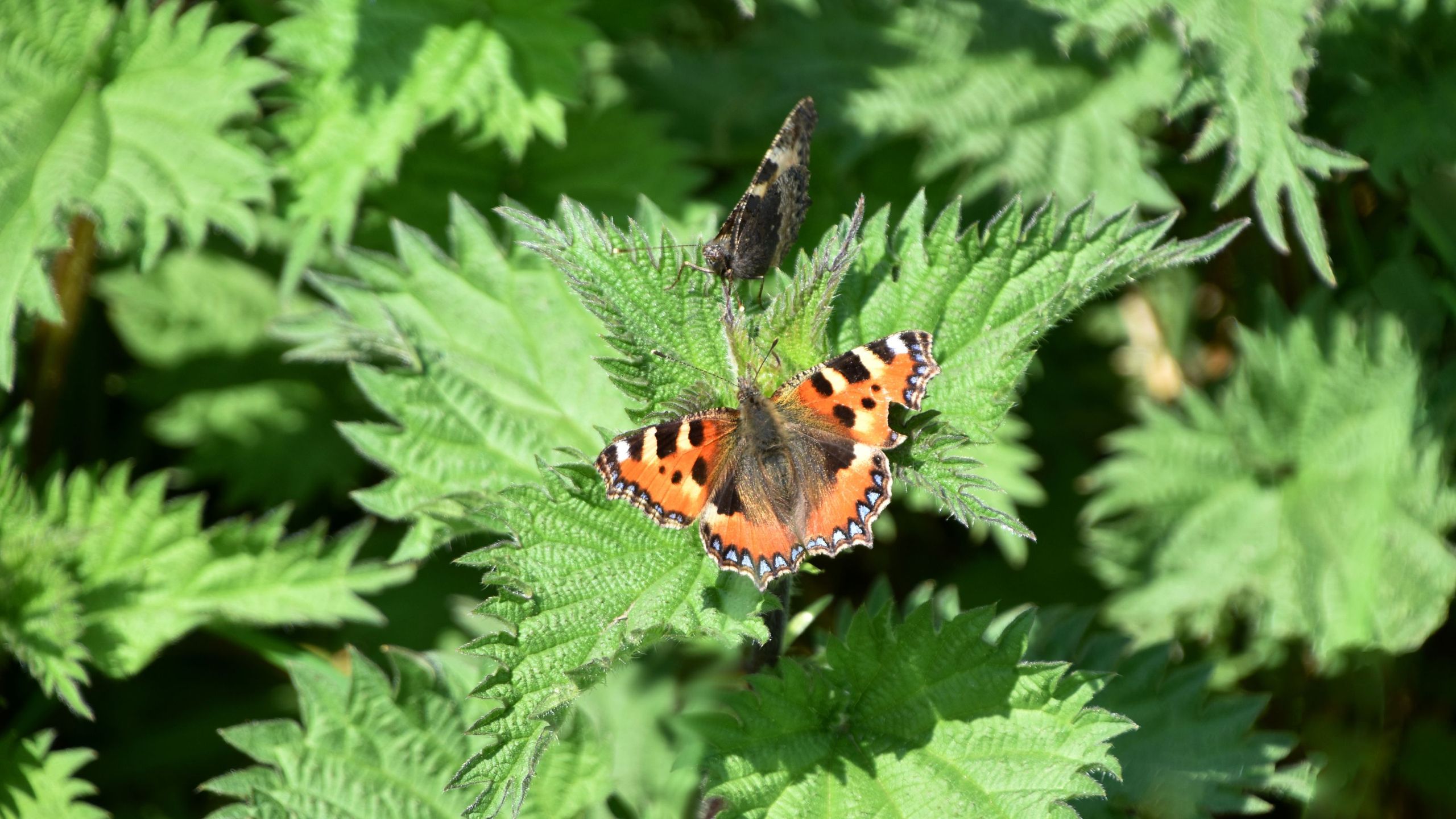
Enter, nettles – the unsung heroes of the UK’s butterfly population. According to Morris Hankinson, managing director at Hopes Grove Nurseries, red admirals are especially fond of nettles.
‘The red admiral is a bold black and red migratory butterfly which lays its eggs mostly on stinging nettles, which is why it is so important to let some of your garden grow a little more wild,’ he says. ‘Leaving a patch of nettles provides breeding and feeding habitats for caterpillars.’
The wild garden trend was huge at this year’s Chelsea Flower Show, and Sarah Eberle, designer of The Campaign to Protect Rural England Garden: On the Edge (RHS Chelsea Garden of the Year), told me that over 40 species of invertebrates are supported by nettles. It’s no surprise, then, that the award-winning garden featured nettles in its planting scheme.
Nettles are best grown in moderation, though. They can be a safety hazard, thanks to their tendency to sting, and they can also be a job to control.
‘Nettles are aggressive growers, capable of spreading rapidly if left unmanaged, leading many homeowners to consider their removal as the most straightforward option for maintaining a tidy, low-maintenance garden,’ explains horticulture expert and The Plant Pod host Ross Dyke.
That said, Ross is very much in favour of leaving a small patch of nettles to support wildlife.
‘Rather than viewing them purely as a pest, some gardeners will adopt a more nuanced approach by managing nettles instead of eradicating them through complete removal,’ he says. ‘For instance, you might consider designating a specific corner of your garden to contain a patch of nettles. This strategy allows you to enjoy their benefits, such as supporting wildlife and enriching the soil, without allowing them to dominate your garden space or detract from its overall appearance.’
It’s worth leaving out hydration stations like these bee watering stations from Amazon to look after pollinators in hot weather, too. The long stakes can be poked into a garden border or bed.
Ross also mentioned that you can harvest nettle leaves (wearing a good pair of gardening gloves, of course!) and make your own nutrient-rich fertiliser: ‘nettle tea;
‘This organic fertiliser is highly praised among gardeners for its ability to promote healthy plant growth and enhance soil fertility, making it a valuable tool for those who practice organic gardening techniques,’ Ross says.
Other ways to support butterflies
Phoncoo
Wooden Butterfly House and Feeder
Offer visiting butterflies shade and water.
Whchiy
2 Pack Bee Watering Station
Sweet little watering stations for bees and butterflies.
Gardening Express
Large Buddleia Tricolour – Amazing Multicoloured Butterfly Bush
Butterflies love buddleia, and this variety is tri-coloured.
It’s worth keeping a patch of nettles in your garden if you want to support the butterflies, or make your own fertiliser. Just be wary of pets and children!
Read the full article here