






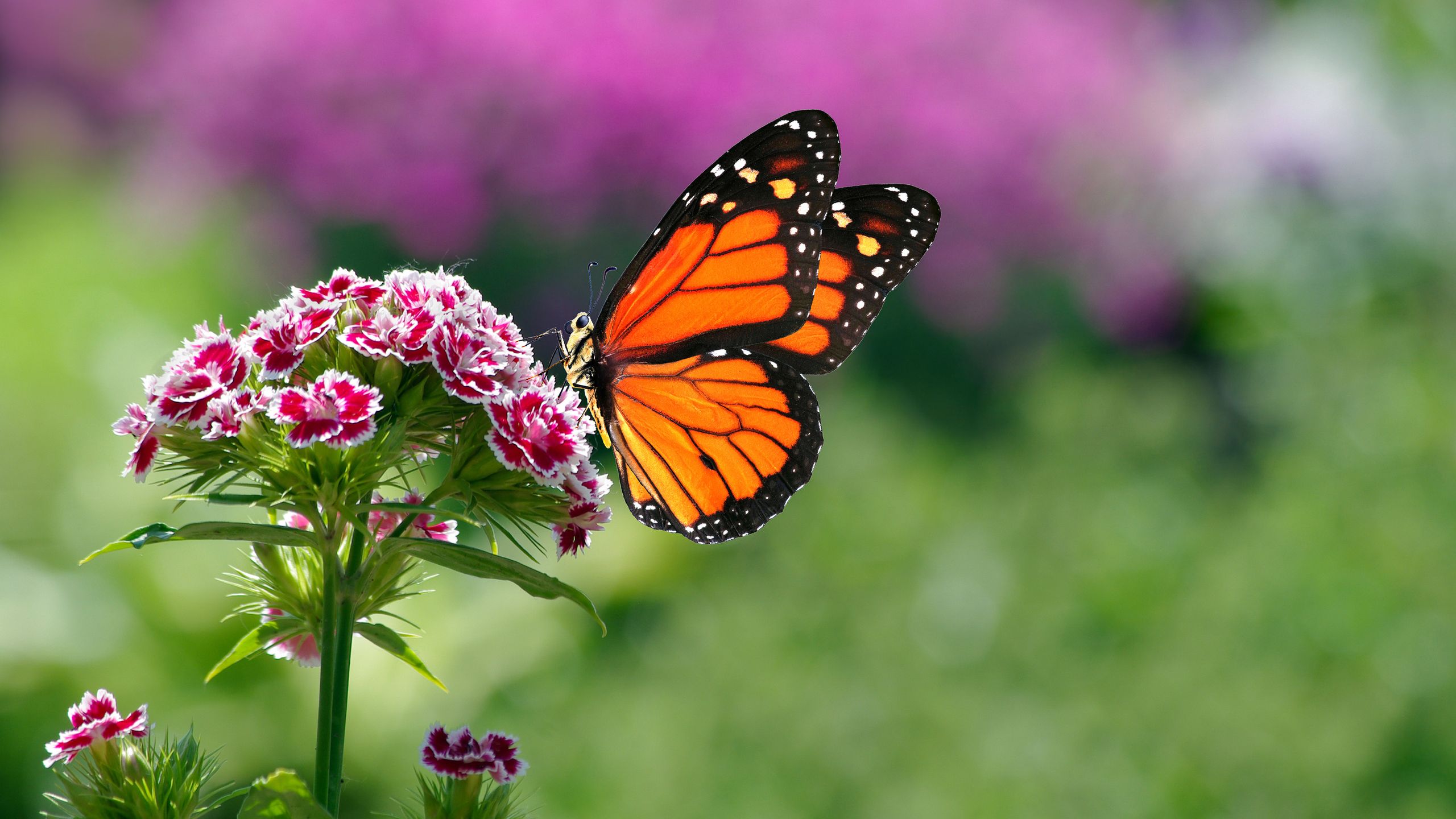
The Big Butterfly Count needs just 15 minutes of your time this week as the wildlife survey seeks to gain a better understanding of the UK’s butterfly populations, so scientists can help them in the future.
Who wouldn’t want to attract butterflies to their gardens? Not only are these winged insects incredibly beautiful to spot, but they’re vital pollinators, too. But butterfly populations in the UK have significantly declined since the 1970s, and they need your help.
Plus, butterfly declines are also an early warning for other wildlife loss, making the Big Butterfly Count an important way to help every critter in your wildlife garden. Here’s everything you need to get involved.
Latest Videos FromIdeal Home
What is the Big Butterfly Count?
The Big Butterfly Count is run by the wildlife charity Butterfly Conservation and runs from 17 July to 9 August, making this the last week to get involved. And you really should, as Butterfly Conservation says the UK is currently in a butterfly emergency.
The survey was launched back in 2010 and has since become the world’s largest survey of butterflies. It’s important to get involved as butterflies are biodiversity indicators for scientists. This means that butterflies react very quickly to changes in their environment. So, if butterfly populations are declining, it means that nature is in trouble.
Counting butterflies helps scientists at Butterfly Conservation assess how much help the natural world needs. It helps them identify population trends and allows them to come up with a plan to help protect this beautiful species from extinction.
How to get involved
The good news is that it’s incredibly easy to get involved with the Big Butterfly Count, and even better, it’s great fun for the whole family, too. All you have to do is head outside and count butterflies for 15 minutes during a bright, preferably sunny day.
The survey encourages records from gardens, parks, meadows, school grounds and forests so don’t worry if you don’t have a garden, you can still get involved. However, the rules are slightly different if you’re counting in your garden, compared to out on a walk.
If counting from a fixed position in your garden, Butterfly Conservation says to; ‘count the maximum number of each species that you can see at a single time. For example, if you see three Red Admirals together on a buddleia bush then record it as 3, but if you only see one at a time then record it as 1 (even if you saw one on several occasions) – this is so that you don’t count the same butterfly more than once.’
When on a walk, simply total up the number of each species you spot during the 15 minutes. The charity has provided a list of target butterflies and day-flying moth species they’d like you to count and can help you identify. If you spot species not on the list, you can record it using the iRecord Butterflies app. If you don’t see any butterflies, it’s important to report this too as it can indicate a wider problem in your area.
How to make your garden butterfly-friendly
As well as getting involved in the count, you can also make your garden butterfly-friendly, too. For example, plants that attract butterflies, such as agastache or lavender. Or, create your own butterfly food to give them a boost during summer.
Crocus
Agastache ‘blackadder’
Bees and butterflies love agastache. Planting it is a great way to attract both to your garden.
Greena
Greena Outdoor Wooden Butterfly House
Provide a safe habitat for butterflies via a butterfly house in your garden. With many natural habitat’s lost due to developments, a butterfly house is an easy and effective way to help.
Seedball
Seedball Butterfly Friendly Seed Bombs, 100 Wildflower Balls Per Pack
This seed mix is packed with wildflowers that butterflies love. Simply plant the seeds in your beds and borders.
Butterflies are a welcome sight in any garden, but sadly need our help. Spending just 15 minutes counting different species in your garden can have a huge impact on what we know about how to conserve them.
Read the full article here


