





WHO LIVES HERE?
Louise Horton, content creator and interior stylist, lives here with her husband Peter, a construction manager, and sons, Nye and Elis, plus their dog, Laddie.
Having spent years treading the boards, Louise and Peter decided they wanted to make a home together and settled on the town of Banbury in Oxfordshire to call home.
‘We met while touring the world as musical theatre performers on a cruise ship. After a year of living out of suitcases, we wanted somewhere to put down roots.’
Article continues below
‘Peter is from Wales and I am from Suffolk, so we chose Banbury as it is right in the middle. We did not know anyone here, but quickly fell in love with village life and the countryside setting.’
‘This late-Victorian terrace had previously been rented out for years, but it had since been left empty for a long time. So when we first viewed it, it felt cold inside with its dark purple walls and layers of peeling wallpaper – and we even found a dead mouse! Despite all of this, we could see its hidden potential straight away and knew we could turn it into a wonderful family home.’
‘We changed almost everything. Structurally, the house was sound, but it needed a total renovation. We replastered every wall, had it rewired, fitted a new boiler and restored some original features – such as the fireplaces, doors and stained glass. We started upstairs, working our way down.’
‘The first job was reconfiguring the layout by moving the bathroom. Peter and I did all of the work ourselves, with help from our parents. Later, we opened up the ground floor to make a bright, open-plan living and dining space.’
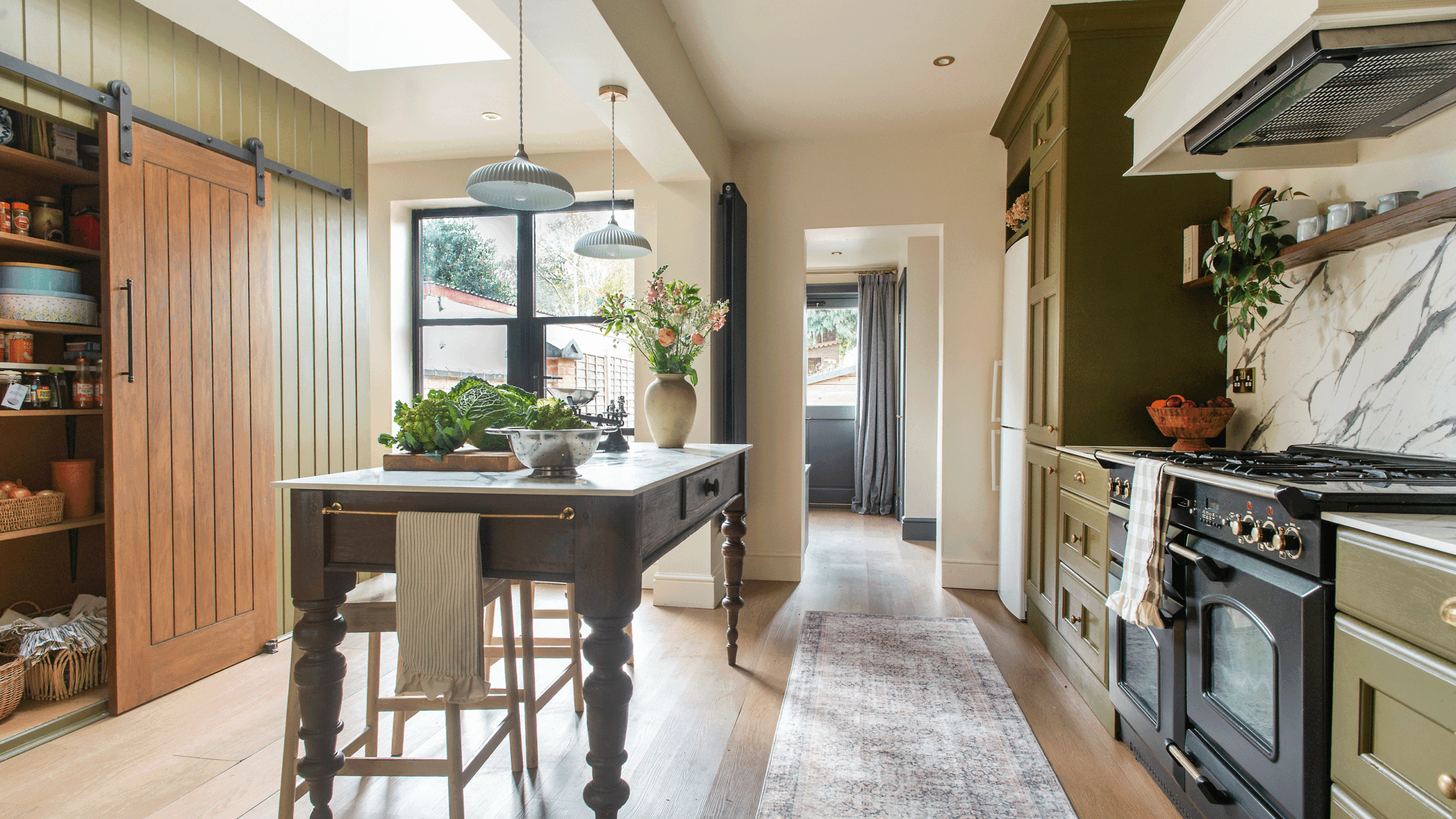
‘Then in 2022, while Peter was still furloughed from work, he decided to extend the kitchen area, doubling the footprint, and we began work on our dream kitchen. We found a hardwood kitchen secondhand for £50 and upcycled it with paint, brass hardware and salvaged pieces. We even reused barn doors for the pantry.’
‘Our home is practical, relaxed and full of personality. My style has evolved since moving in and I have swapped white walls for moodier tones that feel more in tune with the house’s history and help hide sticky fingermarks.’
‘Everything here has been chosen with care. It may be thrifty, but I love every piece. This home reflects our family’s journey, our creativity and the memories we are making together.’
Almost everything is preloved, recycled or handmade, which has saved us thousands.
The kitchen
‘We found our hardwood kitchen secondhand for just £50, and reworked it to fit the extension. Our kitchen used to be a dark, galley shape, but now it is a bright, sociable space.’
‘Our island started life as a reclaimed farmhouse table. We increased the height using chair legs, added the marble top, and the brass tea towel holder. It brings character to the kitchen, and it is perfect for meal prep or chatting while we cook.’
‘Instead of having a row of units, we designed a floor-to-ceiling pantry cupboard with sliding barn doors to hide away all our clutter, while keeping the kitchen feeling calm and open.’
‘Our Butler sink was rescued from our neighbour’s house who was throwing it out. It is one of my much-loved features now, and it suits the age of the house perfectly while adding a bit of traditional styling to the kitchen.’
The dining area
Before, our dining area used to feel closed off, but by knocking down the dividing wall open up the room completely, changing how we use the space. We built shelves between the two rooms using oak Peter salvaged from building project on Westminster Abbey.’
‘When we needed to drop the ceiling to fit our new bathroom above, we decided to make this a feature in the room adding pendant lighting above the dining table. I found the old Ikea table secondhand and painted the chairs to give them a new lease of life.’
The living room
‘Almost everything in this room was bought second hand – I love mixing old finds with new touches to make every space in our home feel layered and lived in. The warm tones and soft textures make this the perfect spot for lazy weekends.’
‘I didn’t want harsh overhead lights, so I used floor and wall lamps instead to create a soft, relaxed glow in the evenings. It makes the room feel instantly inviting.’
The office nook
‘This spot used to be wasted space, so I turned it into an office area where I can work or write shopping lists. It works really well, proving that you don’t need a big home office to carve out a calm, inspiring spot to work from.’
The main bedroom
‘Our bedroom was the first room we renovated, as we wanted to have somewhere to escape to in the midst of the renovation.’
‘We replastered the walls, restored the fireplace and built fitted wardrobes made from salvaged 1930s doors. I’ve since restyled it with darker greens, warm woods and gold accents to make it feel richer and more grown up.’
The family bathroom
‘The original bathroom was too big for our needs and took up valuable space, so we turned it into a bedroom, stealing some space from another bedroom to make a smaller bathroom.’
The guest room
‘My ethos is to use as many secondhand and vintage items in my home as I can. Not only is this more sustainable, but it also gives our home more personality.’
‘For example, I found this metal Ikea bed frame on a secondhand website, and the Laura Ashley bedside table was a £35 charity shop bargain. To finish the room, I made a fabric light pendant from a Dunelm cushion cover.’
The boys’ bedroom
‘The boys’ room used to feel small and cramped. So, Peter decided to build a loft bed himself from reclaimed wood left over from other projects, and we designed storage built along one side for toys and books. This way, we were able to squeeze two beds in without covering over the lovely original fireplace. And with the bed up above, there’s still plenty of space to play in.’
Nothing was expensive, yet everything tells a story. It is practical for the boys and still feels beautifully ours, too.
FOCUS ON… AUCTION HOUSES
If you love the character of Louise’s home, follow her lead and shop at auction houses to find unique pieces in your style at every price point.
- DO YOUR RESEARCH Before you start placing any bids, browse various sites – such as The Saleroom, Easy Live Auction and Cheffins – to get a feel for prices. Many regional auction houses also hold regular viewings where you can inspect pieces up close beforehand, which will help avoid any surprises.
- KNOW THE COSTS Factor in buyer’s premiums, VAT and delivery fees before raising your paddle. Set a maximum bid and stick to it, as it is all too easy to get carried away.
- BID YOUR WAY Online auctions are great for speed and convenience, while in person sales give you the buzz of live bidding and a better sense of scale and condition. Try Fellows for jewellery, Ewbank’s for antiques and Sworders for furniture and art.
- BE PATIENT The best finds come to those who wait. Have a list of items you’re in the market for and keep checking catalogues, setting alerts for favourite items. Try not to rush into buying the first thing you see.
Discover more about Louise and Peter’s home on Instagram @thestylepad_uk
Read the full article here


