


I’ve been doing my best over the last three years to improve the energy efficiency of my home. But while I’ve tackled some big jobs like replacing my conservatory roof for something insulated and swapping my old boiler for a newer, more efficient model, I know I’m making some mistakes when it comes to my home decor choices that are not doing me any favours when it comes to my energy bills.
As someone who writes about how to save energy at home for a living, I do my best to share all the changes and habits to adopt to become a person with consistently low energy bills.
Article continues below
1. I have thin curtains in some rooms
I’ve opted for blackout curtains, like these from £15 at Dunelm, in the master bedroom and living room, and highly rate their ability to keep my home a comfortable temperature, meaning I am less likely to resort to an extra hour on the heating in winter (especially when I follow Martin Lewis’ 4pm rule), or using my air con for longer than necessary in the summer.
However, I haven’t got blackout or thermal curtains or blinds in any other room, which feels like a mistake. According to the Department of Energy and Climate Change, around 18% of heat loss occurs through windows. While having any sort of curtain up will help, my thin curtains didn’t feel like they were doing much to help over winter and I potentially missed an opportunity to turn my thermostat down a degree and save around £90 a year on my energy bills (according to the Energy Saving Trust). And with summer fast approaching, I know they won’t do much to keep the heat out, which means I’ll likely have fans or my air con running longer than I perhaps need to.
2. I don’t have many rugs
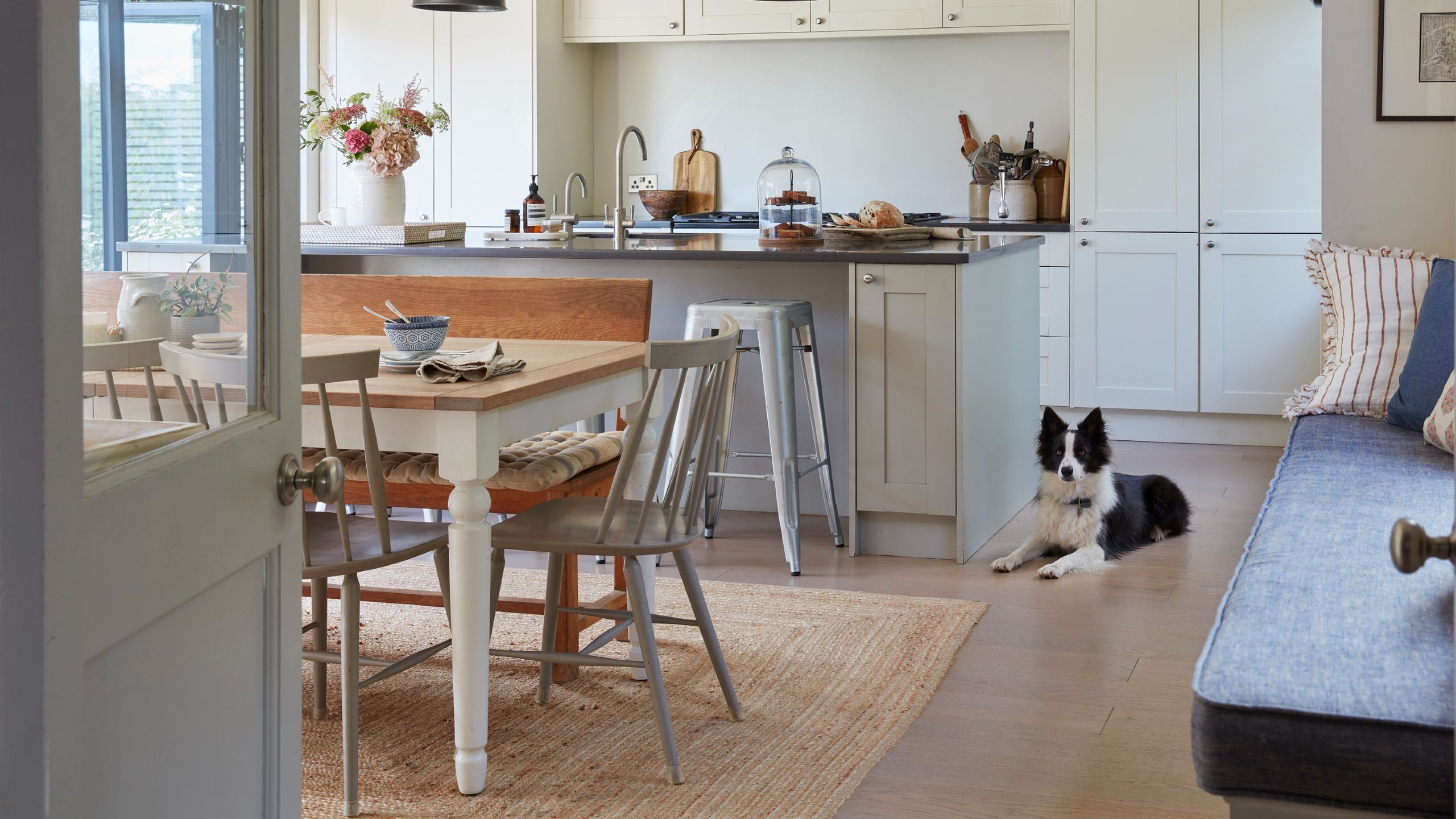
Next up is rugs. While I have a rug in the hallway and one in the living room (that I’ve actually decided is too small), the fact that I have hard flooring on the entire ground floor of my home, including my home office and kitchen diner, which could be contributing to wasted energy.
According to the Energy Saving Trust, 10-20% of heat is lost through the floor. While I’m fortunately to not be in an old house with suspended timber floors where this heat loss can be most noticeable, the reality is that walking around my home on the hard floor can make me feel cold. And that feeling means I’m all too tempted to turn on my electric heater, or stick the heating on for an extra hour.
To put a price to that, let’s say I used an electric heater, like our top rated Morphy Richards HeatFlux Ultra Thin 2kW Ceramic Tower Fan Heater, to boost the heat in my home for an hour every day for the six months between 1 October and 31 March. Based on current energy prices under the April 2026 energy price cap, the cost of running the electric heater would be £89.80.
If I, instead put my central heating (powered by a 24kW boiler) on for an additional hour a day, that would cost about £1.38 per day, and would tot up to £250.72 over the course of the six colder months.
While some homes will need proper floor insulation to solve their cold floor issues, for me, it’s much more of a case of either wearing slippers, (I have these £21 slippers from Next that do the job), whenever I’m walking round, or investing in a couple of additional rugs or runners.
Dunelm
Mabel Floral Wool Rug
I’ve got my eye on this rug to replace the too small, too thin one I have in my living room currently. It’s wool so it should feel soft and cosy underfoot.
John Lewis
John Lewis Pure Wool Scallop Rug
I love the scallop pattern around the edge of this wool rug from John Lewis, and think it would be ideal for keeping me warm in my home office.
Next
Green Sage Florence Border Wool Rug
If I chicken out on the bolder pattern of the Dunelm rug, then this sage green one from Next is also on my list for my living room.
3. I leave blinds slightly closed on sunny days
While 2026 has had a very soggy start to the year, the sun is starting to make a regular appearance. And this is definitely an area where I’m missing a trick for lower energy bills.
I’ve got sensitive eyes, so I regularly tilt my blinds or partially close the curtain in the room I’m in if it’s too bright. I also hang things in the windows in a couple of rooms in my home. But that means I could be missing out on one of the major benefits of solar gain — free heat. This again could mean I use my heating or an electric heater for a blast of heat during the day when I potentially don’t need to. Even if we only had sunny days for a third of the time between 1 October and 31 March, I could potentially save around £90 by reducing the thermostat by a single degree, up to £250 by not using my central heating for an hour at lunchtime each day.
Instead, I’m going to move into a different room if the sunlight gets a bit too bright and leave the curtains open to benefit from as much solar gain as I can until temperatures are regularly in the high teens. Once temperatures start rising further, I will start strategically closing the curtains at different times of the day to keep my home as cool as possible.
I’m also going to find an alternative spot for my window hangings to maximise the solar gain over the next couple of months.
If you enjoyed reading this, sign up for the Ideal Home newsletter for all the latest home decor trends and inspiration delivered straight to your inbox
Read the full article here