


Goldfinches are easily one of the most colourful birds you can spot in your garden. Those flashes of red, yellow and black look almost tropical against a very British backdrop. And while they’re not necessarily difficult to attract, getting them to visit regularly does require a very specific ‘recipe’ of the right food and feeder.
It’s something my mum has perfected over the years as she attracts lots of birds to her garden, but goldfinches in particular seem to like what she’s putting out for them, and she’s thrilled about it.
Article continues below
How my mum attracts goldfinches to her garden
The feeder makes all the difference
One thing that gardens that attract lots of birds always have is a bird feeder, and goldfinches have a very specific preference.
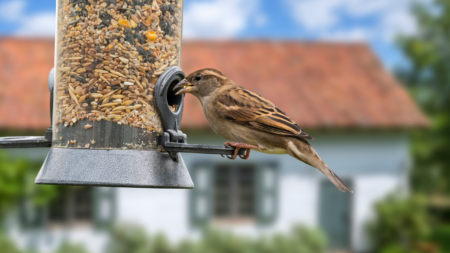
My mum swears by this iBorn feeder, £17.99 from Amazon, with very small openings, designed for their tiny beaks and includes little perches at different heights for them to sit on.
The tiny holes are key as they stop larger birds from muscling in and stealing their food, which means the goldfinches actually get the chance to feed in peace.
Shop goldfinch feeders
iBorn
Metal Niger Seed Bird Feeder
Jacobi Jayne
Pre-Filled Niger Bird Feeders for Garden Birds
RSPB
Premium Hanging Nyjer Seed Feeder
Add the right food
My mum also feeds them what they love to eat, and this is just as important as the feeder it’s in. They love niger seeds, which you can pick up from Amazon for £5.99 (also known as nyjer seeds). And you can also buy a feeder pre-filled with the seeds, like this Jacobi Jayne feeders from Amazon for £9.99, which has small openings so the small seeds don’t flow out.
‘Putting out Nyjer seeds in hanging feeders specially designed for these tiny grains over the colder months will help attract Goldfinches to your garden,’ confirms RSPB spokesperson, Helen Moffat. They’re incredibly small, which is exactly why goldfinches love them and why other birds tend to ignore them.
They do love sunflower hearts too (you can pick up a 5L bag on Amazon for £9.99), which you can add to more widely available generic bird feeders with larger openings. You can also pick up sunflower and niger mixes like this Finch blend mix, £14.99 from Amazon, if you want to experiment.
However, from 1st May, the RSPB has advised against feeding them seeds or peanuts due to disease concerns in the summer months. ‘From May to October, when the RSPB’s updated guidance is to pause seeds and peanuts,’ explains Helen.
From then on, they advise offering fat balls (you can pick up fat balls like these RSPB Super suet fat balls, £13.91 from Amazon which you can place in a fat ball feeder like this Supa fat ball feeder, £8.75 at Amazon) or a suet-based feeder like this suet-filled bamboo, £5.99 at Amazon, which you can simply hang up on a tree.
Best food for goldfinches
RSPB
Nyjer Seed Wild Bird Food 900 Grams
Happy Wings
No Grow Finch Blend Bird Food
Hungry Wings
Premium Wild Bird Food 5l Refill, (5l Bag, Sunflower Hearts)
Grow these specific plants
Alternatively, Helen advises growing some plants which will produce the kinds of seeds they love.
‘Goldfinches have slender beaks which are perfect for extracting seeds from hard-to-reach places like Thistles and Teasel,’ explains Helen. I love these ‘blue steel’ thistles, from £8.99 at Thompson & Morgan, or go for Scottish thistle seeds that produce beautiful pink blooms for £3.29 at Amazon, and you can pick up 100 seeds of Teasel for £1.69 at Thompson & Morgan.
‘They also love Sunflowers and are so light, they can perch on the tops of these giant flowers and pick out seeds,’ she adds. This is the perfect time to plant your sunflowers. There are some absolutely stunning varieties to choose from, ranging from the classic Helianthus annuus ‘Taiyo’, £3.49 for 30 seeds at Crocus, to this mix of colourful varieties, £5.49 for 50 seeds from Amazon.
Cleanliness is a non-negotiable
My mum says that if there’s one thing she’s learned about goldfinches is they are fussy little things.
Feeders need to be kept clean and properly cleaned, or they probably won’t come back. My mum rinses hers regularly and makes sure there’s no build-up of old seed or residue with this GardenGenie sanitiser spray, £6.64 at Amazon and gets into the nooks and crannies with this Supa wild bird 2-in-1 cleaning brush, £5.65 at Amazon. It’s a small job but a crucial one.
Create a quiet place for nesting
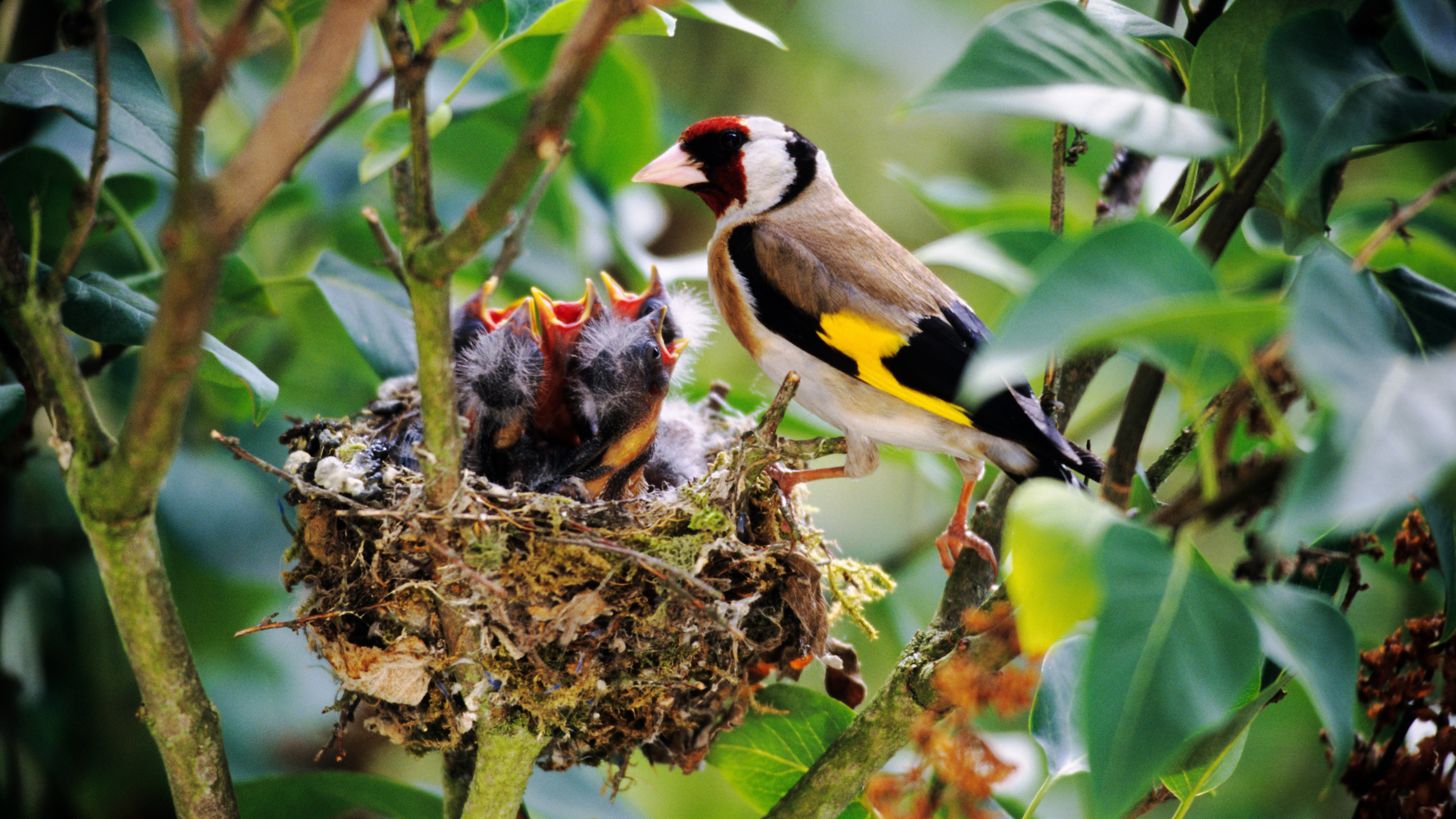
The real magic happens when they start nesting. My mum has had goldfinches nesting in her hedge before, as according to experts, they don’t use bird houses or boxes and prefer bushes, branches and hedging.
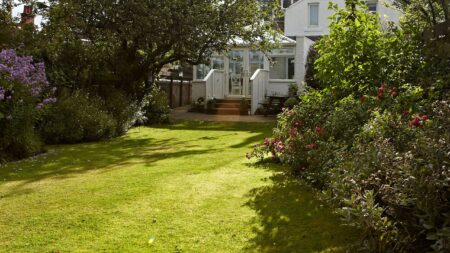
One thing my mum is convinced makes a real difference is how peaceful and tucked away her garden feels, especially when it comes to nesting. Her hedge is dense, slightly wild and full of natural screening, which creates a kind of secluded environment goldfinches seem to love.
And Helen thinks she’s right.
‘Whilst a secluded garden is welcomed by most birds when raising young, the Goldfinch’s main priority is having somewhere which is safe and often high up, for their nest,’ she explains. ‘Mature gardens are ideal, as the birds are looking for either the sturdy fork of a tree or a shrub with high branches, especially evergreens, to build their cup-shaped nests.’
So there you have it. I’m sticking to the same simple ‘recipe’ which includes the right feeder, the right plants, keeping everything clean and tidy and making sure my garden feels safe and sheltered for them to return to, including protecting them from cats.
Here’s hoping they visit me as regularly!
Read the full article here