


As someone who writes about all aspects of home energy for a living, I do try to practice what I preach.
This is especially true when it comes to saving energy at home. But one place I struggle with this is not using my tumble dryer. While I do embrace methods to use my tumble dryer in the most cost-efficient way, I’ve always struggled to go without it during the winter.
How much money did I save by not using my tumble dryer?
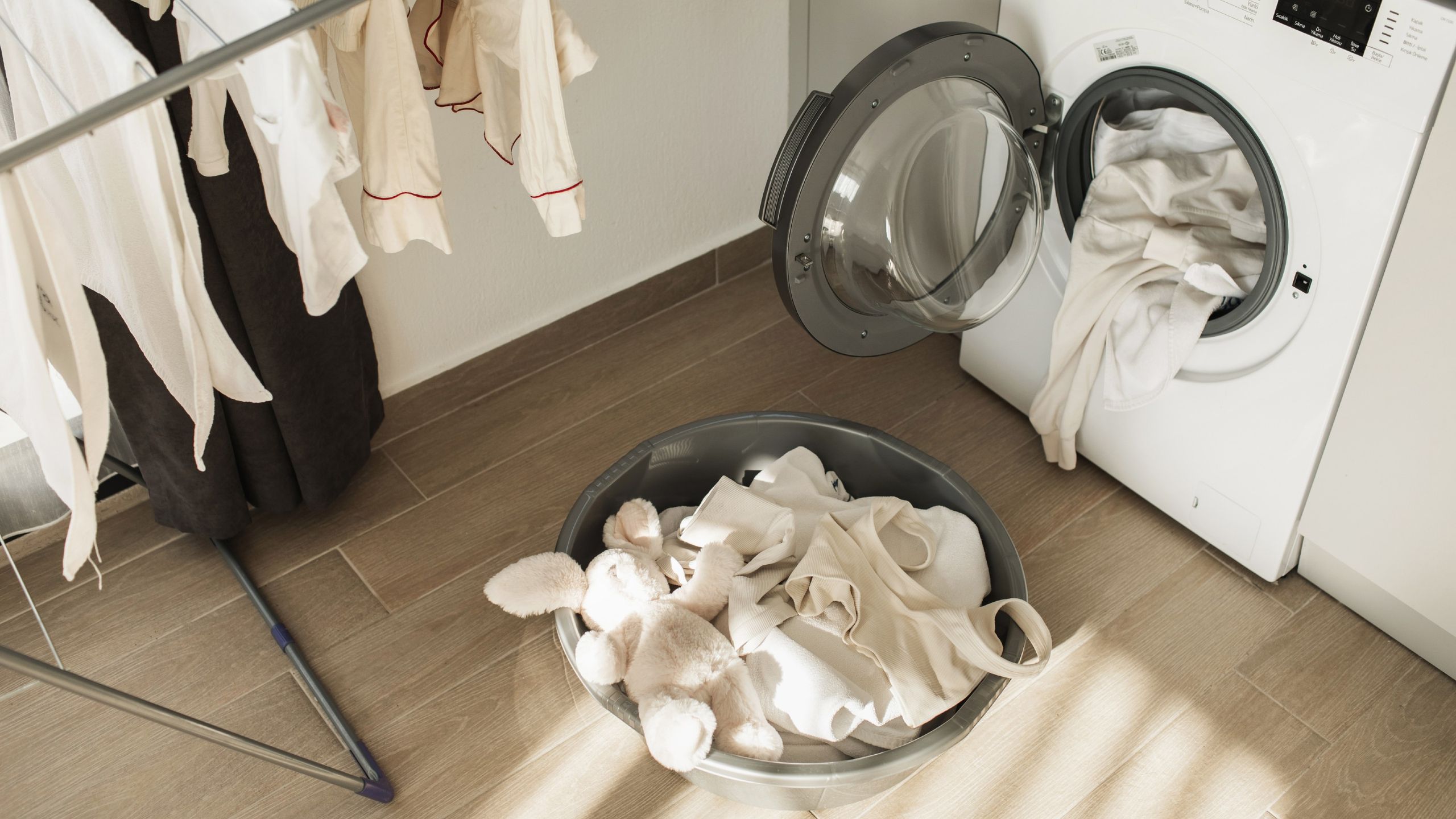
I have an energy efficient A++ 7kg Beko tumble dryer, which I tend to use on average three times a week in winter, for bed linen, towels and thicker items of clothing, like jumpers, sweatshirts and jeans.
I’d say it’s a pretty safe assumption that I would have used it 12-14 times in February if I factor in washing my dog’s blankets too.
For a full-load on the standard setting, which lasts 174 minutes, my tumble dryer uses around 1.68kWh of electricity. But as I sometimes use a non-standard and more energy intensive setting, or find myself putting it on the standard setting for an extra 30 minutes to get the result I want, I’d say it’s probably closer to 2kWh each time I use it. (As the actual wattage can depend on the load, moisture and ambient temperature, this is the closest I can get to accurate).
That means that each time I use it, my tumble dryer’s running costs are just under 56p based on the January 2026 energy price cap. If I’d used it 14 times in February, it would have cost me £7.75. Not quite the mammoth saving I was expecting.
But this is where the efficiency of your tumble dryer matters. Had I got a similar 7kg Beko tumble dryer that was C-rated (so less energy efficient) rather than A++ rated, the standard cycle would use 4.2kWh, which would cost just over £1.16 each time I used it, and £16.28 over the course of 14 February loads.
Was the saving worth it?
While the idea of avoiding both energy and money waste is always appealing, in this case, there’s one main reason the £7.75 saving isn’t really worth it. And that reason is finding somewhere else to effectively dry these bulky and or large items.
I use a bog-standard airer to dry lighter items like underwear, socks and t-shirts, which dry quite quickly, especially when the central heating comes on, so I don’t feel like they are too much of a hassle to dry.
But I have a king size bed, so the bed linen is sizable, and towels seem to take ages to dry, so it feels like there is constantly laundry on display wherever I look around my home, which I hate. I actually found myself feeling a bit stressed about it, which is definitely not the vibe I want from my home.
There’s also something about the softness of towels out of the tumble dryer that I’m not sure I’m prepared to give up in winter.
However, I realise that I feel that way because of the relatively low running costs of my tumble dryer. If I had a lower energy-rated tumble dryer and was doing more laundry loads each week, I’d definitely be more likely to try alternative ways to dry things like bedding indoors in winter.
JML DriBUDDI Compact Heated Indoor Airer
It’s no wonder this heater airer sits in the #1 spot on out list of the best heated clothes airers we’ve tried. It’ll dry clothes in a couple of hours and can be dismantled when not in use so it won’t feel like laundry is taking over your home.
Dry:Soon 3-Tier Deluxe Heated Airer
With a considerable 21m of drying rack space, this Dry:Soon heated airer would be ideal for bedding, towels and large laundry loads in general.
Pretyzoom 2pcs Spiral Sheet Hanger
Fortunately, we’re creeping ever closer to spring and summer, which means I’ll definitely be giving my tumble dryer a break and drying my laundry outside. Bring on the days when it dries in about 45 minutes!
If you enjoyed reading this, sign up for the Ideal Home newsletter for all the latest home decor trends and inspiration delivered straight to your inbox
Read the full article here