



Spring is in the air, but before the season begins astronomically on the 20th of March, there are plenty of ways to get your garden ready for the growing season ahead.
If you’re wondering how to get your garden ready for spring, you’ve come to the right place – below, I’ve compiled the best garden tasks to do right now, whether you’re hoping to start a vegetable garden, plant borders teeming with spring colour, or revamp your outdoor furniture.
What you’ll need
Gardena ClassicLine Border Spade
A sturdy spade for digging in beds and borders and planting without straining your back.
Roxil Wood Protection Cream
Highly-rated wood protection cream for weatherproofing wooden furniture, decking, fences and sheds.
Agralan Citrox Ready to Use Natural Citrus Disinfectant Spray
A natural citrus disinfectant in a handy spray bottle for tools, bird tables and greenhouses.
1. Prepare your soil
Strong crops start with a healthy foundation, and that usually means incorporating organic matter like compost or well-rotted manure into your garden beds and borders.
‘This is the ideal time to continue preparing beds by incorporating soil improvers such as well-rotted manure or home-made compost, ensuring your soil is in top condition before planting,’ says B&Q’s horticulture expert, Mark Sage.
Verve Peat-Free Soil Improver from B&Q will give your garden beds a nutrient boost, while clay breakers like this one from Vitax will improve clay soil and even warm it a little for faster seed germination.
You could even try changing your soil’s pH to make it more suitable for the plants you want to grow this year.
2. Weed vegetable beds
Before you start sowing crops, it’s worth preparing your vegetable and plant beds for spring by getting rid of weeds. There are lots of natural ways to remove weeds, but a tool like the Kent & Stowe Garden Hand Tools Wood Dutch Hoe from B&Q can eliminate the need to bend.
When it comes to weeds, prevention is always easier than cure – and that means keeping a close eye on your garden beds and staying on top of any new stragglers.
‘Hoe veg and plant beds regularly to prevent weeds from establishing,’ advises Mark.
3. Start seeds
If you’re keen to grow your own vegetables this year, much of the work starts now – there are so many things you can plant in March to prepare your garden for spring.
‘You can begin to sow seeds like sweet peas indoors, along with sowing broad beans, onions and leeks under cover, and if you’re in a mild climate, you can sow peas, too,’ says Mark.
‘If the ground isn’t frozen or waterlogged, direct sow hardy crops like carrots and beetroot.’
If you’ll be sowing directly outdoors, it’s worth keeping a cloche handy just in case the weather surprises us with any late winter frosts. I always use these Garden Gear vented bell cloches from Thompson & Morgan.
4. Batten down the hatches against slugs
Slugs are a gardener’s worst nightmare, and they’re about to become a lot more active. One of the best ways to prepare your garden for spring, then, is to pre-empt their arrival.
‘Slugs and snails are at their most damaging in spring, targeting new growth and seedlings when they are at their most vulnerable,’ says Julian Palphramand, head of plants at British Garden Centres.
‘Getting controls in place early, whether that be organic pellets, copper barriers, or encouraging natural predators into your garden, is far more effective than reacting once damage has already been done.’
This copper slug tape from Amazon is one of my favourite solutions, but there are plenty of other ways to get rid of slugs naturally, too.
5. Refresh your garden furniture
It won’t be long before we can sit outside, cup of tea in hand, without shivering at the cold weather (although I will say that a patio heater can help the transition!). Our garden furniture ideas, then, could use a refresh – and you can absolutely revamp the pieces you already have with a bit of know-how.
‘A quick clean or protective treatment now means seating areas will be ready as soon as the sun makes an appearance,’ says Laura Bradbury, head of ecommerce at Vonhaus.
You can learn how to remove algae from your garden furniture, for example, or even weatherproof your garden furniture. Roxil Wood Protection Cream, which you can order from Amazon, is perfect for protecting wooden furniture, decking, fences and sheds.
‘Furniture covers are also a bonus for your outdoor space, especially where rainy spring days are involved,’ Laura adds.
6. Clean garden tools
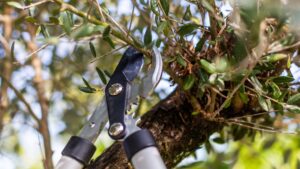
You’ll be using your trowel, secateurs and the like a lot once spring is in full swing, so there’s never been a better time to learn how to clean your garden tools properly.
‘Sharpen secateur blades, wipe down handles and ensure tools are in good working order before peak gardening season begins,’ advises Laura.
You don’t have to use harsh chemicals, either. Agralan Citrox, which you can buy in a spray bottle from Amazon for easy application, is an eco-friendly disinfectant that’s suitable for cleaning tools, greenhouses and even bird tables.
7. Tend to containers
Don’t overlook containers when it comes to preparing your garden for spring – potted plants need just as much attention as border plants right now.
‘Containers benefit from attention at this time of year,’ says David Glass, head hardener at Bowood Estate. ‘Permanent plants growing in pots respond well to having the top layer of compost removed and replaced with fresh compost or soil. John Innes number two compost mixed with a slow-release fertiliser works well.
‘Once the risk of frost has passed, containers can be replanted and refreshed for the season ahead.’
You can buy Westland John Innes No. 2 Peat-Free Compost from B&Q. If you have empty containers that you’ve yet to plant up, it’s worth giving them a thorough clean with an eco-friendly solution with a brush, washing up liquid and water.
8. Nip to the garden centre for instant colour
There are a surprising number of bedding plants you can plant now that are in bloom – and that means you can start adding colour to your garden this weekend.
‘A trip to a local garden centre or plant nursery can also provide extra plants to fill gaps and add instant colour where it is needed,’ says David.
Pansies, violas and wallflowers are just some of the flowers you’ll find right now. If you’ll be ordering them online, Thompson & Morgan has a huge selection of pansy plants.
9. Give your lawn a boost
There are so many March lawn care tips that will revive a lawn after winter and give it a solid boost for the warmer months ahead. You can even learn how to aerate your lawn to reduce compaction and prepare it for spring.
‘For small areas, push a garden fork into the ground at around 10cm intervals and gently rock it to loosen the soil,’ advises David. ‘On larger lawns, hiring a mechanical aerator can be worthwhile. This improves drainage and allows air back into the soil.’
An aerating machine like the Vonhaus 3-in-1 Scarifier, Aerator and Rake from Amazon is a brilliant tool that takes the effort out of both lawn care tasks (but you’ll need to wait a little while longer before you can scarify your lawn!).
Learning how to prepare your garden for spring will mean you enter the growing season with a strong, productive garden.
Read the full article here