




On 1 July, the energy price cap went up by 13%. That means that if you aren’t on a fixed tariff and are instead on your supplier’s standard variable tariff, the price you pay for your energy has gone up.
While you might have already tried a few ways to save energy at home, there’s only so much you can do when it comes to those appliances that you have little choice but to use. And in a heatwave, that very well be a portable air conditioner.
But how much more are you actually paying to run a portable AC in this heatwave compare to the heatwaves in May and June? I’ve broken down it down below for portable air conditioners and other most commonly used appliances. You can also use our new calculator below to see how much any of your appliances are costing you. All you need to know is the wattage.
|
Appliance |
What you were paying before 1 July |
What you are paying now |
Price difference |
|
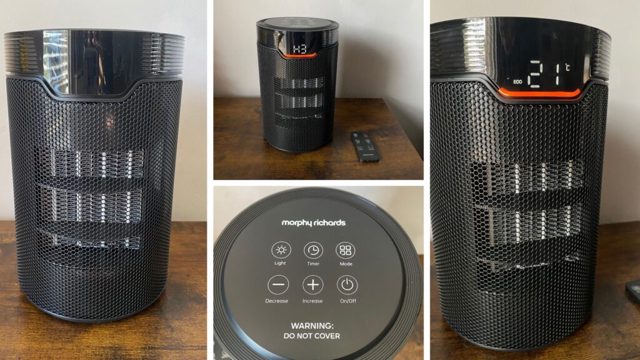
Portable air conditioner |
£0.33 per hour |
£0.35p per hour |
2p |
|
Washing machine |
£0.28 per cycle |
£0.30 per cycle |
2p |
|
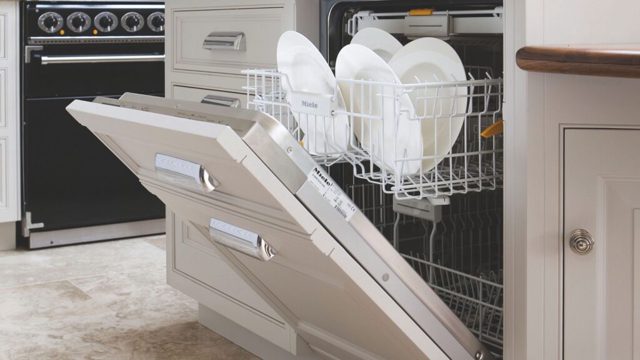
Dishwasher |
£0.28 per cycle |
£0.29p per cycle |
1p |
|
Condenser tumble dryer |
£1.17 per cycle |
£1.24 per cycle |
7p |
|
Oven |
£0.20 per hour |
£0.21 |
1p |
|
Air fryer |
£0.37 per hour |
£0.39p per hour |
2p |
Portable air conditioner: this is based on a portable AC that uses 1350W in cooling mode. Washing machine: this is based on a machine using 1.13kWh on a standard cotton 60° cycle. Dishwasher: this is based on slimline integrated model that uses 1.12kWh per quick and shine 60° cycle. Tumble dryer: this is based on an 8kg capacity, B-rated condenser tumble dryer, using 4.75kWh per full load on the standard cotton drying programme. Oven: this is based on an example 0.8kW oven. Air fryer: this is based on a 1500W basket air fryer.
To check your specific appliances that may have different wattages to those mentioned in the table above, you can use our brand new tool below.
Simply pop in the wattage of your appliance, tick whether that it’s kilowatts or Watts, and if you don’t know how much you pay for your energy, our tool will use the current July 2026 price cap figure. If you want to see what you were paying before the price cap increase, simply put in the figure 0.2467 when asked how much you pay for your energy. This is the price (in pounds) for a unit of electricity under the April 2026 price cap which ended on 30 June 2026.
While an extra couple of pence might not seem like a lot, add together the increase of all the appliances you use in your home, and consider how often you use them and how long for and it’ll soon tot up.
And so if you’re shocked by how much more you are paying now that the new price cap is in effect, there are things you can do to bring the cost down. Firstly, you could look into switching to a fixed price tariff that would reduce how much you pay for the energy you use, and protect you from further price rises for the duration of the fix (usually 12, 18 or 24 months). Use a price comparison website, like our sister brand Go.Compare, Compare the Market or Uswitch.
If you’ve already done that, or you can’t find a suitable deal, then reducing how much energy your appliances consume is another way to lower your bills. I’ve tried multiple tricks so far this year to reduce my energy consumption, from not using my tumble dryer for a month, switching to a cooler washing machine cycle, or opting for a much more energy-efficient dishwasher mode.
Keeping an eye out for vampire appliances that waste energy and turning them off at the wall is another way to reduce your home’s energy consumption, and as a result, your bills.
If you enjoyed reading this, sign up for the Ideal Home newsletter for all the latest home decor trends and inspiration delivered straight to your inbox
Read the full article here