

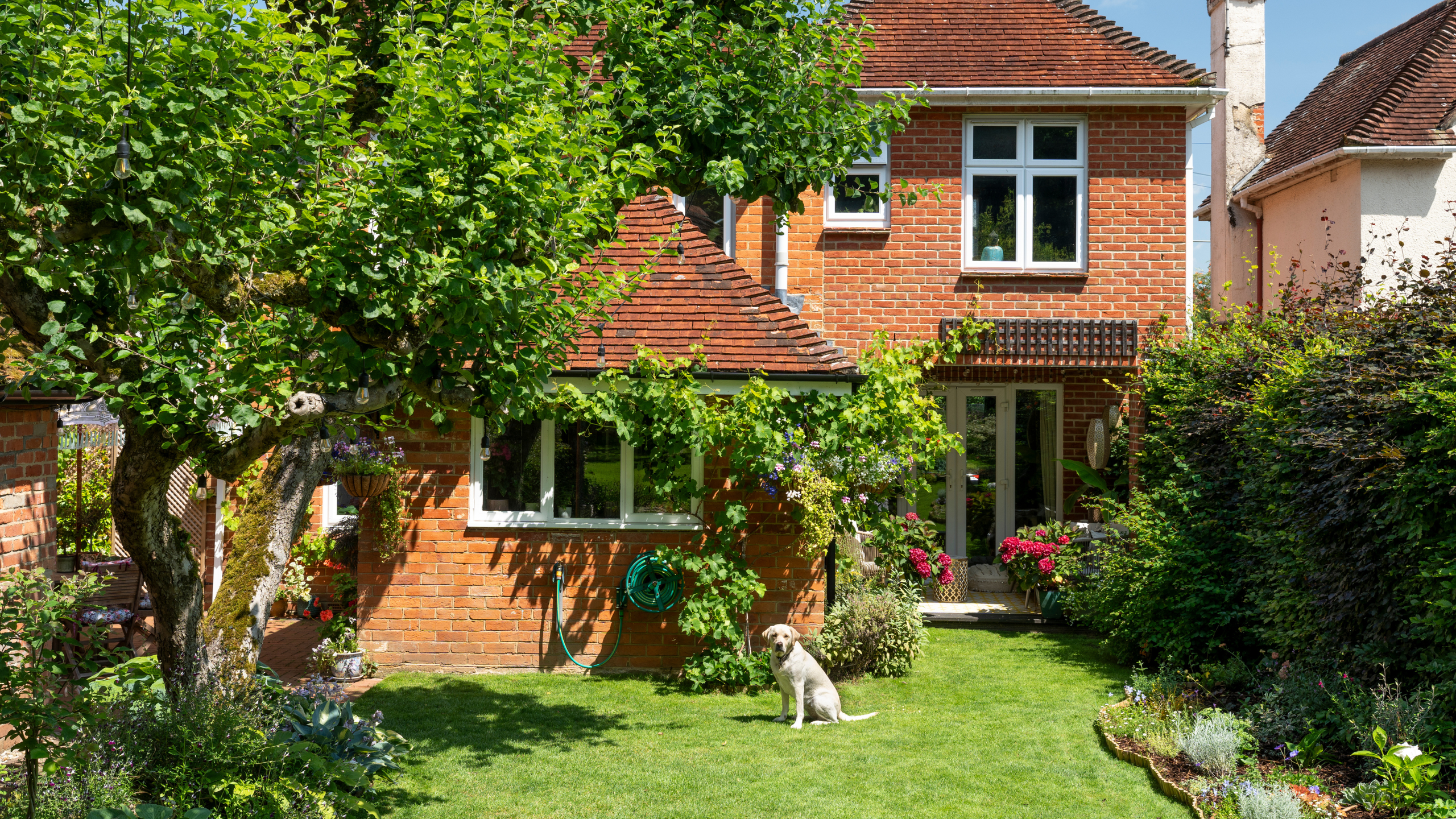
Gardeners with dogs have been issued a fresh warning this spring to be careful around compost, as garden experts warn it can be potentially fatal to dogs.
A compost bin is an integral part of any garden. Compost is a nutrient-rich soil conditioner that helps your garden flourish, and being able to make your own at home only sweetens the deal. However, garden experts have revealed that compost in the process of breaking down can contain mould, which can be toxic to dogs.
If you’ve gone to the effort of learning how to make compost, you should absolutely put it to use this summer. However, there are a few things you need to know if you also have a curious pooch at home, too.
Article continues below
Is compost toxic to dogs?
Even if you haven’t added items that should never be put in a compost bin to your bin, it can still be dangerous for canines. As organic waste breaks down, it produces mould and fungi, which create substances called mycotoxins. When ingested, mycotoxins are toxic.
‘Though compost is a superb natural fertiliser, if your dog ingests large amounts, this can potentially be toxic, I’m afraid. It can contain ‘tremorgenic mycotoxins’ which cause serious neurological symptoms such as shaking and seizures,’ explains Pooch & Mutt’s resident vet, Dr Linda Simon.
‘Compost can also contain toxic foods like rotting grapes or old coffee. The danger is not so much dependent on the amount eaten, as even small amounts can be contaminated.’
If your dog ingests these toxins, they can experience some really nasty symptoms, and in extreme cases, they can be fatal.
‘Symptoms can appear very quickly, sometimes within an hour. Early signs include vomiting, drooling, diarrhoea, agitation or wobbliness. In more serious cases, dogs may experience tremors, seizures, a dangerously high body temperature or collapse,’ explains Luke Newnes, gardening expert at Hillarys.
‘Because mycotoxins affect the nervous system, the reaction can seem sudden and severe, which can be frightening for owners. As someone who’s constantly chasing three dachshunds away from anything remotely smelly in the garden, it’s definitely something I take seriously.’
However, Luke is also keen to point out that while compost can be dangerous, most dogs do recover if exposed.
‘Unfortunately, it can be fatal if a dog eats enough mouldy compost and doesn’t receive prompt treatment. That said, with fast veterinary care, most dogs do recover well. The key thing is not to wait and see, if you suspect your dog has eaten compost and is acting unusually, a vet should be contacted immediately,’ he says.
How to secure your compost bin
If you want a dog-friendly garden, it’s important to keep your compost bin so no curious noses can get into potentially toxic materials.
‘Keep your dog safe by securing any compost bins and double-locking them. Ideally, they would be behind a fence or gate and out of reach. Supervise your dog when in an area where there may be compost and have them on lead,’ Dr Linda recommends.
It’s better to be safe than sorry when it comes to your pet’s well-being. Opt for a secure compost bin like the VonHaus Black Composter Bin 360L (£54.99), which is made from tough frost-resistant plastic and has secure ground anchors so it can’t be toppled. Or why not opt for a garden privacy screen (£45 at B&Q) to create a physical barrier and distance between your pet and the bin. If you’re using shop-bought compost, always reseal it and store it out of reach.
VonHaus
Vonhaus Compost Bin for Garden 480L
When selecting a compost bin, opt for a sturdy model like this one. It has secure ground anchors and thick plastic.
B&Q
Panacea Traditional Black Metal Fence panel (W)0.93m (H)1.07m
If you’re dog is interested in your bin, it can be worth fencing the area off.
ENCASED
Outdoor Bin Lid Lock for Animals
These locks are handy for securing all types of bin from curious pets and pests.
If you have dogs, take the time to ensure your garden is safe and secure. Ensure your compost heap is inaccessible to keep your dog happy and healthy.
Read the full article here