



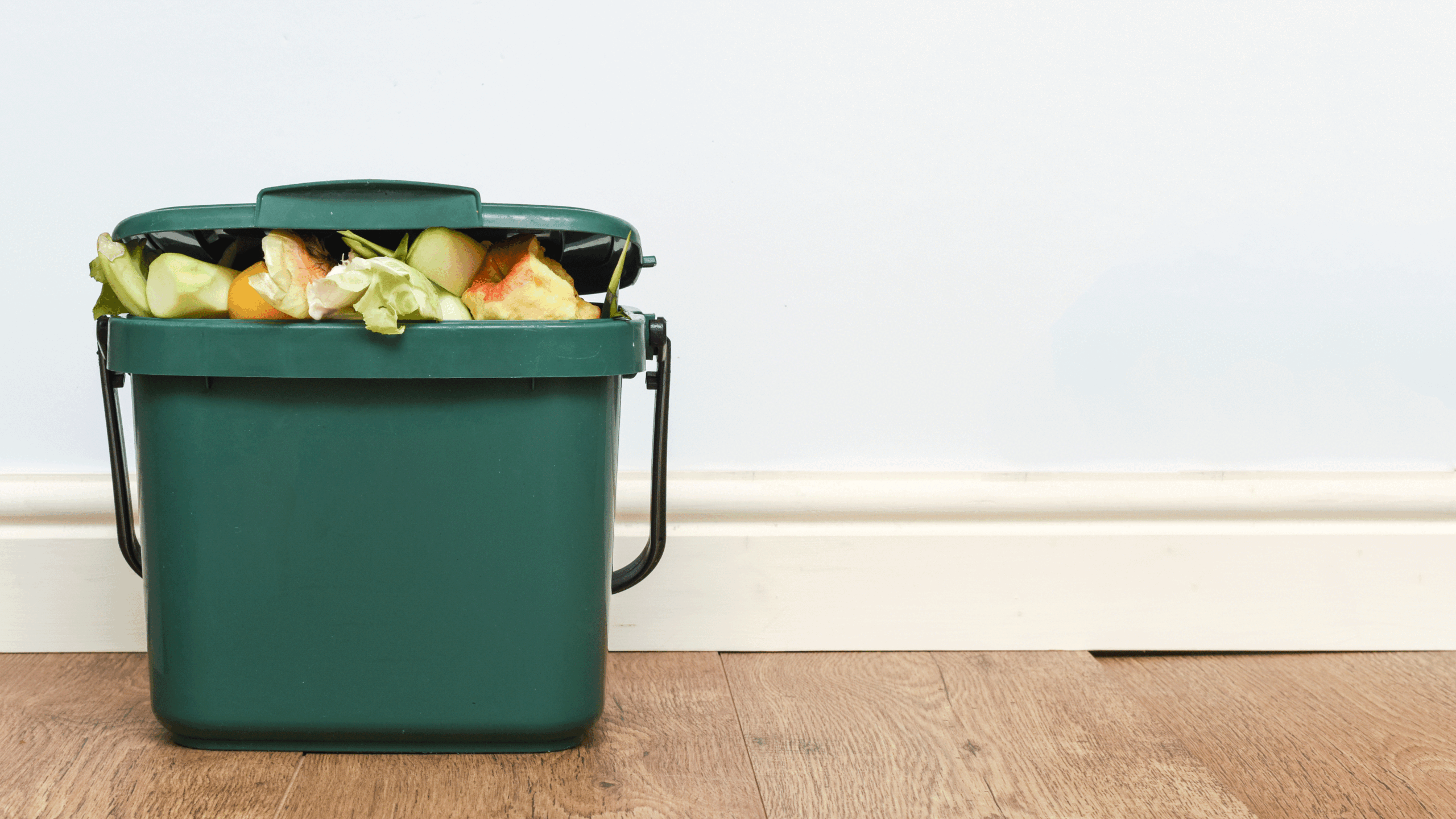
New recycling regulations mean that food waste must be disposed of separately from household waste in England. If this latest legislation means you now have a new food waste caddy resting on your kitchen counter, you may be wondering how to keep flies away as the weather heats up. Don’t worry, I’ve asked the experts, and it’s a simple solution.
Every summer, I find myself looking for new ways to stop flies coming into my house, and with a food waste caddy resting on my kitchen counter, I’m particularly concerned that these pesky insects will be attracted to it.
Article continues below
Why are flies attracted to food waste bins?
While you may be just getting your head around what you can and can’t put in a food waste bin, I’m sorry to break it to you, but what you can add is often a fly’s favourite food. They love moist environments and decomposing food, making a food waste caddy an optimum breeding ground for flies.
‘Flies are drawn to bins because they provide both food and a place for them to breed. Food waste produces strong odours as it breaks down, which flies can detect from a considerable distance,’ explains Daniel Steward, Managing Director at Shield Pest Control.
‘Once they find a suitable food source, flies will often lay eggs directly on the waste so that the emerging larvae, known as maggots, have immediate access to food. Because the fly life cycle can be very short, particularly in warm conditions, numbers can build up quickly if waste is left exposed.’
How to deter flies from a food waste bin
To deter flies from your food waste bins, there are three things you need to do. First, invest in a food waste caddy that has a tight-fitting lid (the Joseph Joseph Food Waste Caddy, popular amongst Ideal Home editors and has ventilation technology to reduce odours). You must also clean your bin regularly and ensure you use compostable liners like these Greener Warlker ones for £10.49 at Amazon.
‘The most effective way to deter flies from food bins is to reduce the smells and breeding opportunities that attract them in the first place. Food waste should be stored in a caddy with a tightly fitting lid and ideally lined with compostable liners that can be tied and disposed of regularly. Emptying the caddy frequently, especially during warmer weather, helps prevent food from breaking down and producing strong odours that attract flies,’ says Daniel.
While there are plenty of scents that will deter flies from your home, maintaining a clean home environment is the most important step you can take to deter flies from your home.
‘Regular cleaning is also essential. Not only does it remove bacteria that could be harmful in the home, but it removes any food residue that flies would want to feed on and lay eggs on, therefore preventing more and more flies from swarming,’ explains Ryan Kaila, waste and recycling expert at Kingfisher Direct.
‘Even if you use a bin liner, clean out the bin frequently to prevent smells. Warm/hot water and antibacterial spray should work well. Use an odour-absorbing powder in your bin, or bicarbonate of soda, which should work to do the same job. ‘Keep the surrounding areas of the bin clean too, as if this is dirty, it will also attract flies.’
Where you position your bin is also important, both Daniel and Ryan explain. Your bin should be kept in a shaded, well-ventilated area, as a sunny spot can encourage food to decompose faster.
‘I also recommend placing it away from the main food prep areas. This is because you don’t want any potential flies or bacteria to be spread to the food prep areas,’ says Ryan.
‘In summer, or when it’s very hot, you might want to store it outside instead, as the smell might intensify much more in the heat. If you have a large kitchen, you might be okay; however, for smaller kitchens, outside might be better as long as it’s convenient enough for consistent use.’
Joseph Joseph
Joseph Joseph Intelligent Waste Kitchen Food Waste Compost Caddy
A favourite amongst the Ideal Home team, this bin has a ventilated design to reduce moisture and odours. It’s easy to clean, and its tight lid keeps pests out.
Minky
Minky Storage Caddy – Light Grey
A more affordable option, this bin has an internal bag retention ring and stay open lid, which helps keep pests out. Reviews also state it is easy to clean.
simplehuman
Simplehuman Cw1645 4l Compost Caddy
This bin has a soft seal lid to help to keep odour under control and keep pests out. It has a magnetic docking system to keep the lid firmly in place.
Unfortunately, flies are attracted to old food. But keeping on top of your bin hygiene and investing in a quality caddy can make a huge difference when it comes to deterring them from your food waste bin.
Read the full article here