



I might be a home energy expert, but that doesn’t mean I’m nailing it when it comes to the most efficient use of energy in my own home.
While I’ve adopted loads of ways to save energy around the house, life gets busy and I sometimes cut corners on my good energy habits for the sake of making life a little bit more manageable.
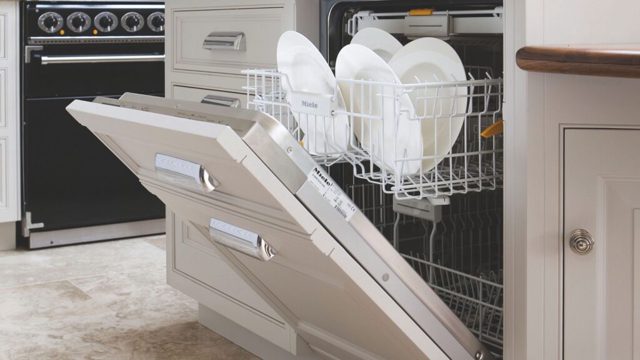
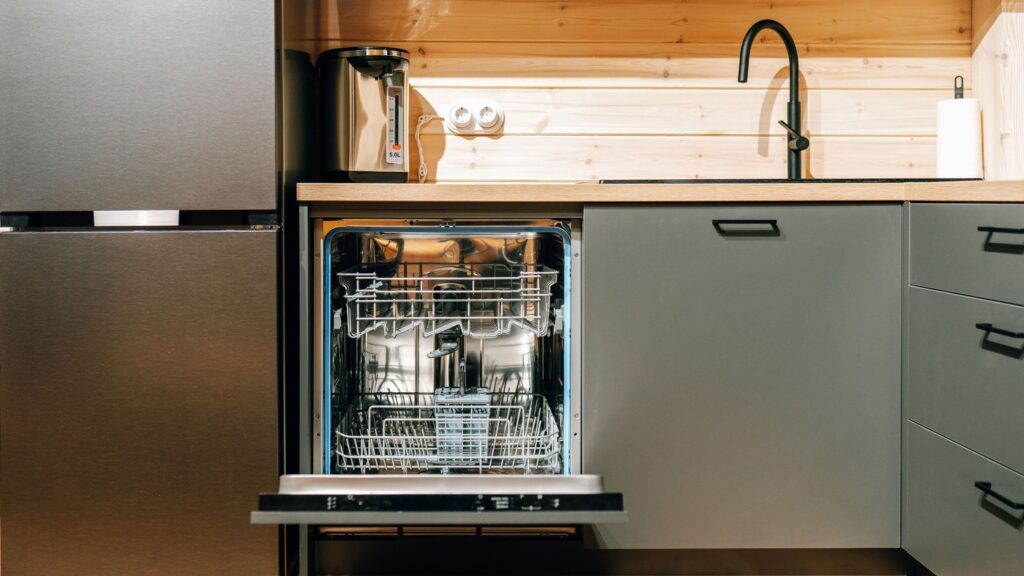
But now that it’s been confirmed that the energy price cap is going up by 13% in July, my attention is well and truly back on ways I might be wasting energy unnecessarily. And right off the bat, I know there’s one habit I need to curb, and that’s running my dishwasher before it’s full.
It’s the same story with washing machines and tumble dryers, if you run them before they are full, you are potentially doing more loads that you need to, and your appliance is using the same amount of energy to run the cycle for a half-load as it is a full one.
While I do know this, I hate leaving dirty dishes in the dishwasher while I wait until it’s full. And sometimes, especially if I am out and about, I may not have a full dishwasher for a couple of days. If the half load is particularly soiled, I definitely don’t fancy leaving that for a couple of days, getting all crusted on and smelly. Yuck.
I’ve often been tempted to rinse the dishes beforehand, it turns out that is one of the dishwasher mistakes that is also adding to household bills too. If that’s not enough, cleaning sensation Mrs Hinch also says it’s a waste of time.
So as a result, I’ve been running my dishwasher on half loads to clean the dirty dishes rather than leaving them sitting in there for days. Yes I could handwash them, but after doing without my dishwasher for a month, it’s one luxury I don’t really want to go without.
But I also know that these little energy wasting habits build up, and while they may not seem to have huge cost implications individually, add them together and you soon see a sizeable impact on energy bills. According to the Energy Saving Trust, by only running full dishwasher loads and reducing your dishwasher use by just one cycle a week can save £11 a year on your energy bills.
If I do that, and choose a more eco-friendly dishwasher setting at the same time, I could save up to £26 per year. If I go even further, and stop using my tumble dryer entirely (I use it less in summer anyway), that could save my £93 a year, and only wash my clothes on a 30°C cycle, I could save an additional £33. Totted up, that equals £152, which will go a long way to offset the £221 increase in the price cap that’s coming into force in July 2026.
But if I do opt for eco cycles in my dishwasher and tumble dryer, I need to make sure my detergent is up to the challenge. I’ve been using some Ecover dishwasher tablets (£16.40 at Amazon) recently, which have impressed me. I also swear by Fairy Platinum Plus dishwasher tablets. For my washing machine, I’ve also been using the Ecover Bio Laundry Tabs which are effective at removing stains in even a 20°C wash.
Ecover Classic Dishwasher Tablets, 70 Tablets
If you want to cut down on plastic as well as reducing your energy bills, these dishwasher tablets come in cardboard packaging, with no plastic wrapping.
Fairy Platinum Plus Dishwasher Tablets Lemon, 122 Capsules
If you are going to use quick or eco cycles, you’ll need a strong enough detergent to ensure your dishes come out clean. I’ve been using these on the eco cycle of my dishwasher with brilliant results.
Ecover Bio Washing Capsules (34 capsules)
Designed to remove stains even on cool washing cycles, these Ecover laundry capsules leave my clothes clean while I use less energy. There’s also a non-bio version that also works well in cooler washes.
However, if I went even further still and stopped using my dishwasher and tumble dryer altogether, and still washed my clothes on a cooling washing cycle, I could save £231, which more than offsets the price cap increase.
If you enjoyed reading this, sign up for the Ideal Home newsletter for all the latest home decor trends and inspiration delivered straight to your inbox
Read the full article here