






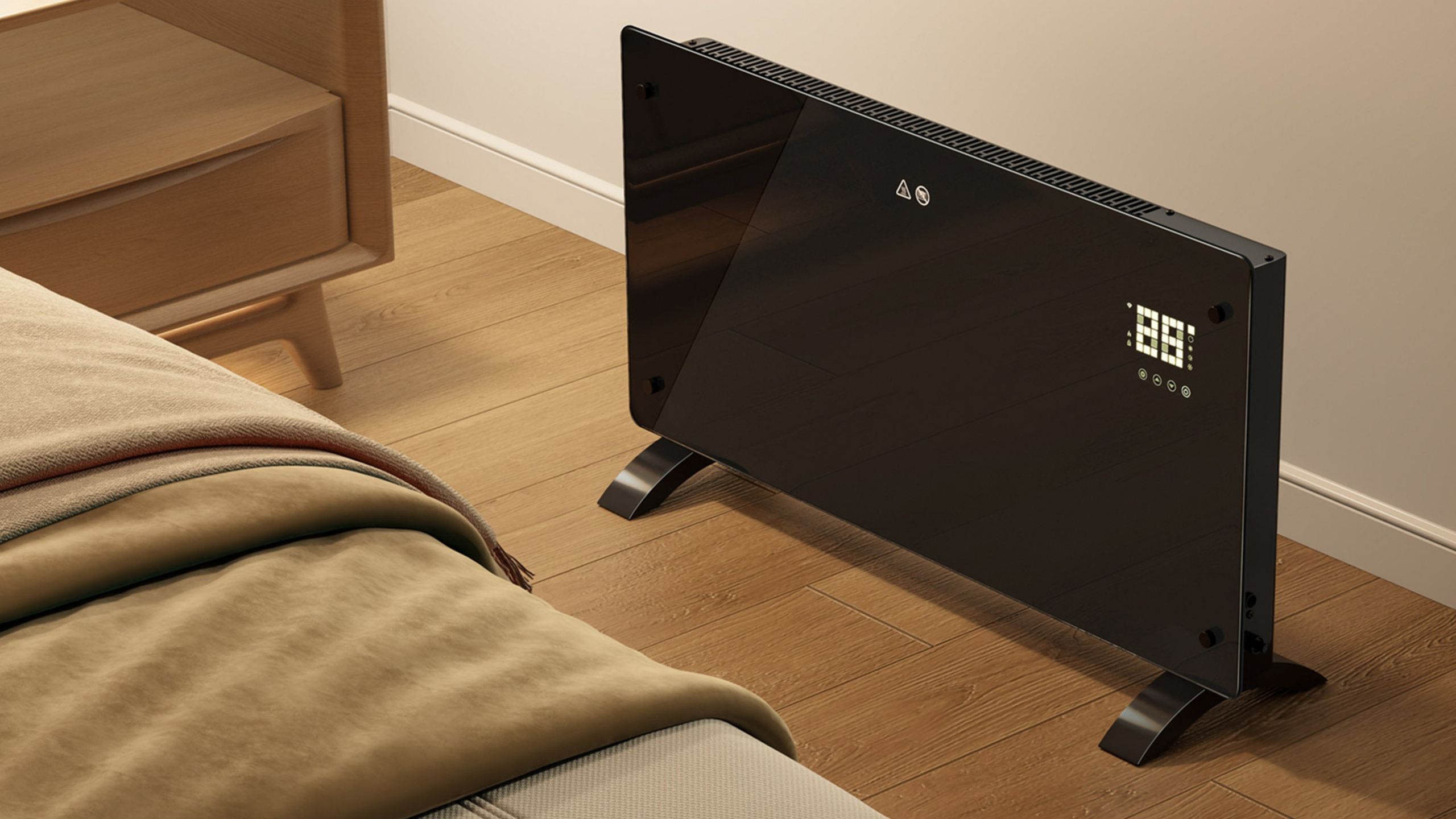
Electric heaters are nothing new, but with more and more models coming to market boasting a whole host of smart features, there’s more choice than ever. But how do you know if a smart appliance like this is the right choice for your home?
If you are going to invest in one of the best electric heaters, then you’ll obviously want to make sure it suits your home and budget, but beyond that, choosing one with smart features could help you reduce it’s energy consumption and therefore lower its running costs at the same time.
Is it worth getting a smart electric heater?
If it’s within your budget, then a smart electric heater is definitely worth it, but only if you use it to complement your central heating rather than as a complete substitute. ‘Where they work well is heating one room you actually use, rather than turning the whole system on,’ explains Patrick Garner, Gas Safe Engineer at Heatable.
While any kind of electric heater can give you a boost of heat where and when you need it, there are an array of smart features you could look out for that make the appliance both easier to use and more energy efficient.
Mill WiFi Max 1500W Portable Heater
You can operate, set timers, create schedules, monitor energy usage, and control the temperature of this smart electric heater all via the free Mill App. It’ll also reduce it’s power output automatically once the desired temperature has been reached. Read our full review here.
Duux Threesixty 2 Electric Heater
Via the Duux App you can set timer schedules, turn the heater on and off, raise the power and set the ideal temperature using the thermostat. All for less than £100.
Aeno Premium Eco Smart Heater Black
Download the AENO app and connect this smart panel heater, to control it remotely, create schedules, and view you energy usage statistics.
Pros and cons of smart electric heaters
To ultimately decide if a smart electric heater is a worthwhile investment for your specific home and lifestyle, it’s a good idea to weigh up the advantages and drawbacks of choosing a smart model over a ‘dumb’ one.
Pros of a smart electric heater
- Can help reduce energy wastage. ‘Instead of being left on for too long or forgotten about, it can be set to come on only when needed and switch itself off once the room reaches the desired temperature,’ explains Patrick. ‘Used properly, that’s far better than a basic plug-in heater running constantly in the background.’ Some smart models will also turn off if they detect an open window, which will prevent the heat you are paying to generate from literally going straight out of the window.
- Can be controlled remotely. ‘Smart portable heating appliances are a great option if you want to opt for precision control for your heating remotely,’ says Sam Carter, radiator expert at Appliances Direct. ‘This means that even if you’re not at home, you can still heat rooms in preparation for your arrival, as well as being able to set a heating schedule to suit your daily routine.’
- More control. Non-smart electric heaters will likely have a dial to control the heat output, but this means you don’t really have any idea what temperature it’s set at, and how much energy it’s using. Smart models can allow you to set very specific temperatures, which you can repeat or adjust as and when you need to.
- Added convenience. Being able to control your electric heater via your phone or, in some cases Amazon Alexa or Google Home will be a popular benefit for those in busy households or for those with any mobility or dexterity issues.
Cons of smart electric heaters
What particular smart features should you look out for?
When it comes to particular smart features that are worth looking out for, there are a few that the experts say are worth looking out for.
‘The remote access control is always a very useful smart feature, as are the thermostat timers and the automatic switch off in case of tipping over,’ explains appliance expert Jon Chatt, who works with Daewoo Electricals.
Energy monitoring is another key feature to look out for, according to Patrick: ‘If the heater shows how much energy it’s using, that’s a real bonus – it makes it much easier for households to keep an eye on what it’s actually costing to run.’ Look too for models where the heater will automatically switch to a lower power mode when your selected temperature is reached.
‘Geofencing for example is a great feature to look for, as it uses your phone location to turn your heating on and off when you’re a certain distance away from home,’ says Sam Carter. ‘This ultimately helps automate the entire heating process, leaving you free to forget about your heating and get on with your day.
‘Open Window Detection is also a particularly game changing feature to opt for,’ he adds. ‘These smart sensors can detect a sudden drop in temperature (like when a door or window is left open), and automatically pause the unit – so you’re not pouring heat out of your house for no reason!’
FAQs
Are smart electric heaters cheap to run?
As with all electric heaters, the cost to run will depend on the wattage of the appliance and how long it’s used for, so if you use a 2000W smart electric heater for exactly the same amount of time as a 2000W non-smart electric heater then, in theory, they would cost the same to run.
However, where smart electric heaters edge in front is their energy-saving benefits. Being able to turn the heater on or off wherever you are, or the ability to create schedules help to ensure you don’t leave the heater running longer than necessary. Similarly, features like the heater automatically reducing its power consumption when it reaches the set temperature, or turning off when it detects an open window, will prevent you from wasting energy unnecessarily.
Who is a smart electric heater best suited to?
There are specific lifestyles and circumstances that may find a smart electric heater useful.
If you find yourself home alone during the day on a regular basis, whether you are working from home, work shifts or are retired, then a smart electric heater might be particular beneficial for you. You can heat the room you are in instead of the whole house. ‘If you work at home often, a crucial tip is to set your smart heater to have your office up to temperature before you start working, while keeping the rest of the house at a lower temperature,’ says Sam Carter.
‘In addition – renters, who may not be able to make changes to the existing heating system put in by their landlords, will also find smart portable heating appliances particularly useful, as a key way to keep energy bills under control.’
Moreover, if you find yourself concerned about your energy bills over winter, and want to supplement your central heating with a secondary source, then the energy saving benefits of a smart model will help you use your electric heater more efficiently.
Read the full article here


