







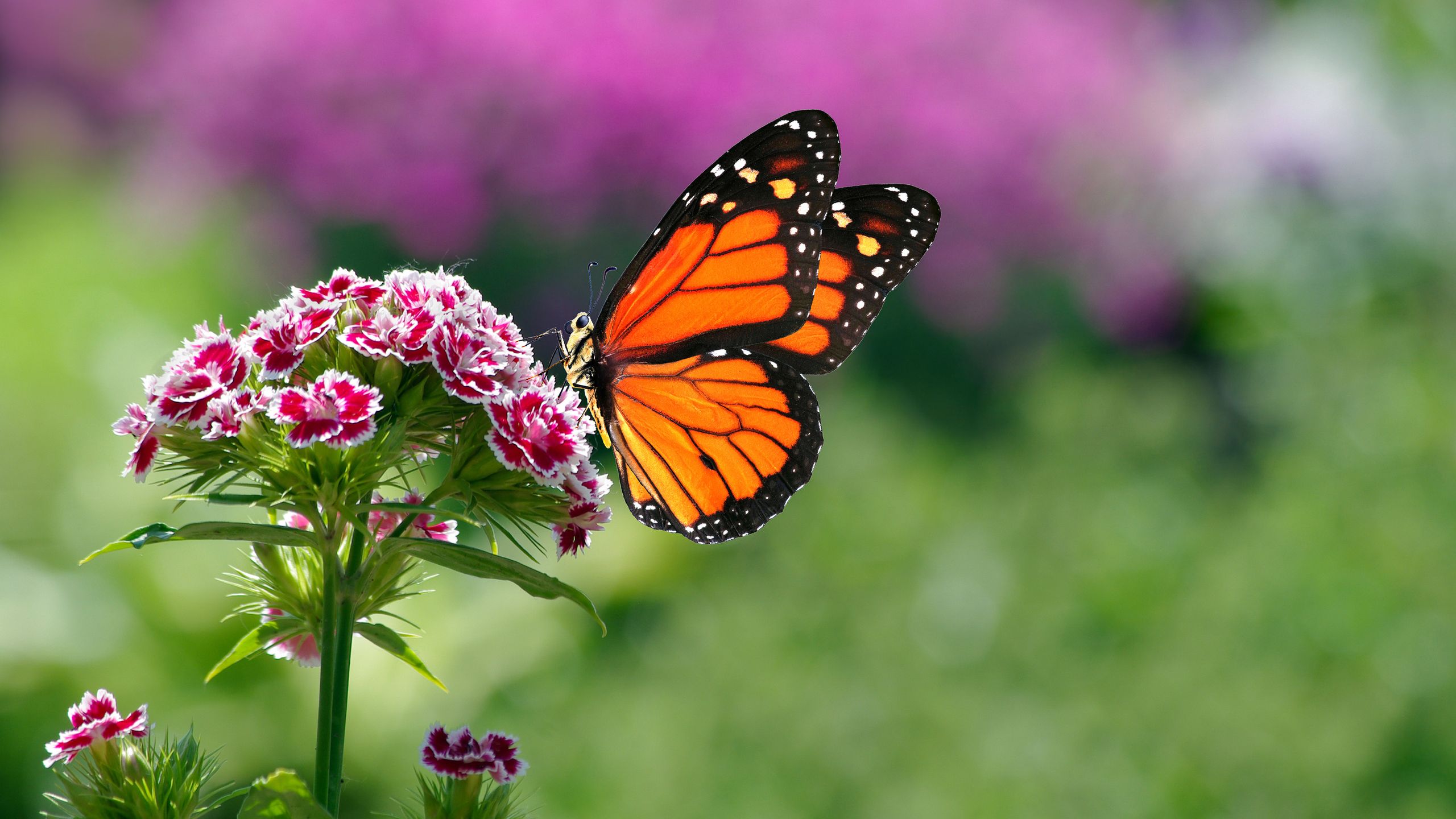
If aphids, slugs and other garden pests are turning your outdoor space into a battleground, it might be time to let nature lend a helping hand.
Creating a healthy, sustainable garden is becoming increasingly popular, and for good reason. And encouraging natural predators into your garden is one of the easiest ways to keep common pests under control without relying on toxic chemicals. It can also help create a balanced ecosystem where pests and invasive growth are kept under control naturally.
While predators will not remove weeds directly, they can help reduce the insects and conditions that weaken plants and allow unwanted growth to take hold. A thriving, biodiverse garden is often far more resilient and easier to manage, too.


Here are some of the best things you can do to attract helpful creatures to your garden and encourage them to stick around, so you can help protect your plants naturally.
1. Welcome birds
Garden birds are some of the best natural helpers you can attract. Species commonly found in UK gardens, such as robins, blackbirds, wrens and blue tits, feed on slugs, snails, caterpillars and weed seeds.
By reducing these problems naturally, birds help maintain healthier planting areas and reduce the need for chemical intervention. To encourage birds into your garden, provide a reliable source of fresh water for drinking and bathing with a bird bath, like this freestanding bird bath with a stake, £18.39 from Amazon, which is great to position anywhere on your lawn.
Bird feeders filled with sunflower hearts, peanuts or suet will help attract a range of species throughout the year. Just make sure you take heed of the RSPB’s advice to only feed fat balls and suet for summer bird feeding.
Emma O’Neill from Garden Organic adds, ‘Provide nesting spots for birds, such as mixed hedging or nesting boxes.’ This is a lovely little bird house from Elho, £13.99 at Amazon, designed by experts to create the perfect spot for more than 11 species, from sparrows to blue tits.
Native hedges, shrubs and climbers provide nesting sites and shelter from predators. Piles of leaves, dense shrubs and log stacks create safe places for birds to forage and rest, too – so don’t focus too much on a tidy garden in every spot! In a similar vein, Emma adds, ‘Leave areas of your lawn a little longer. Insects love long grass, and birds will feed on them.’ Once birds recognise your garden as a dependable habitat, they are likely to return regularly.
Shop our favourite bird feeders
elho
Cosy Bird Feeder and Bird Bath
Celebration Directre
Window Bird Feeder With Strong Suction Cups
MrCrafts Nature
Nature Solar Bird Feeder for Outside
2. Create a pond for water-loving helpers
Even a small pond can make a huge difference to garden biodiversity. Frogs, toads and newts are excellent natural predators and are especially helpful in controlling slugs and other soft-bodied pests that can damage plants.
A wildlife pond does not need to be large or elaborate – even a simple washing-up bowl sunk into the ground works fantastically. If you’d rather go for something pre-made, a pond like this one from B&Q is a great choice.
Popping logs and stones near the pond will provide cool hiding places for the pond’s residents during warm weather, as well as helping them get out of the water. As a bonus, ponds also attract dragonflies and other beneficial insects that contribute to a balanced garden ecosystem.
Shop ready-to-go ponds
Gr8 Garden
50 Gallon Wooden Garden Pond With Liner
Thompson & Morgan
Fragrant Pond Kit
Blagdon
Liberty No Dig Nature Pool
3. Plant native flowers to boost beneficial bugs
Not all insects are harmful to the garden. In fact, many species actively help by feeding on pests that weaken plants and make them vulnerable to competition from weeds. One of the best ways to attract these helpful creatures is by planting a wide variety of nectar-rich flowers.
Native plants are particularly valuable because they have evolved alongside local wildlife and provide reliable food sources. Emma explains that native shrubs are a fantastic choice if you have space for them. ‘Try growing some native shrubs such as hazel. Dogwood or hawthorn are suited to UK growing conditions and are important habitats for birds and insects.’
Garden writer and editor, Kim Stoddart, shares her favourite plant for the job. ‘Fennel (pick up bronze fennel, from £11.99 at Marshalls Garden) wins as my hands-down hero plant for the garden because it looks fantastic and also attracts an array of natural pest patrol predators such as ladybirds and lacewings, whose larvae can hoover up thousands of aphids.’
‘Hoverflies also love this plant, and they help with pollination and natural pest control to boot. It’s not just bronze fennel either. Florence fennel also attracts these beneficial creatures and will often grow on for a few years in the garden, providing lovely zesty foliage to bring to the table.’
Where to buy these native plants:
4. Build log piles and bug hotels for a variety of predators
Emma says, ‘Add log piles to attract beetles, toads and hedgehogs – which help mop up pests.’
Many beneficial creatures need safe spaces to shelter, breed and overwinter. Log piles, bug hotels, and undisturbed corners of the garden can provide ideal habitats.
Ground beetles, for example, are valuable predators that feed on slugs, snail eggs and various garden pests. They thrive in cool, damp environments beneath logs, stones and mulch.
Solitary bees and lacewings also benefit from purpose-built insect hotels – this one from John Lewis is a great, cost-effective choice.
Shop wildlife-friendly must-haves
Thompson & Morgan
Wildpod®
Wildlife World
Dewnb Dewdrop Nest Box – Natural
GardeningNaturally
Hedgehog House Wooden | Garden Nesting & Hibernation Shelter
5. Use companion planting
Companion planting is an age-old gardening technique that involves growing certain plants together to benefit one another.
Some plants attract beneficial insects, while others help, confuse or repel pests. For example, planting nasturtiums near vegetables can draw aphids away from crops, while marigolds are thought to deter some soil pests.
Herbs such as dill, fennel and coriander attract hoverflies and parasitic wasps, both of which feed on common garden pests. A diverse planting scheme also helps reduce large bare areas where weeds can quickly establish themselves. Dense ground cover plants shade the soil, helping retain moisture while naturally suppressing unwanted weed growth.
6. Avoid chemical sprays
One of the most important steps in attracting natural predators is avoiding the use of harsh chemical sprays.
Many pesticides do not distinguish between harmful pests and beneficial wildlife, meaning they can unintentionally kill the very creatures that help keep the garden balanced.
Even products marketed as safe or organic should be used carefully and only when absolutely necessary. Repeated chemical use can disrupt the natural food chain and reduce biodiversity. Instead, focus on prevention and balance. A healthy garden with a mixture of plants, habitats and wildlife is often capable of regulating itself surprisingly well.
7. Don’t eradicate all unwanted plants
This might sound counterintuitive when the aim is a weed-free plot, but as Emma explains, some plants we wouldn’t choose to grow can do important work that will benefit your garden in the long run.
‘Allow some nettles and dandelions to flourish. Nettles attract butterflies, while dandelions are perfect for those early pollinators as they flower early in the year.’
In fact, keeping a few weeds in your garden borders is one of this year’s biggest trends seen at the RHS Chelsea Flower Show.
So there you have it. Attracting natural predators into your garden is not about eliminating every weed or pest overnight.
Instead, it is about creating a balanced, thriving environment where wildlife works alongside you to maintain healthy plants and soil. By encouraging birds, frogs, beneficial insects and other helpful creatures, you can reduce the use of chemical controls and enjoy a more sustainable outdoor space.
Small changes can make a big difference, so implement what feels right for you and enjoy the results!
If you enjoyed reading this, sign up for the Ideal Home newsletter for all the latest home decor trends and inspiration delivered straight to your inbox
TOPICS
Read the full article here


