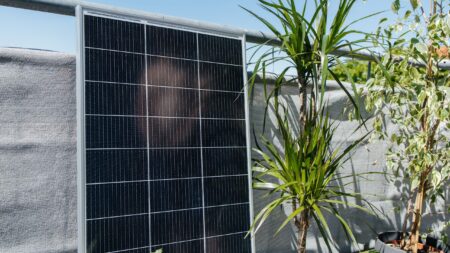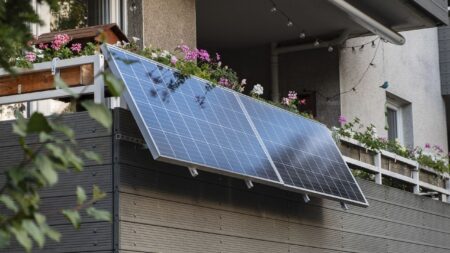



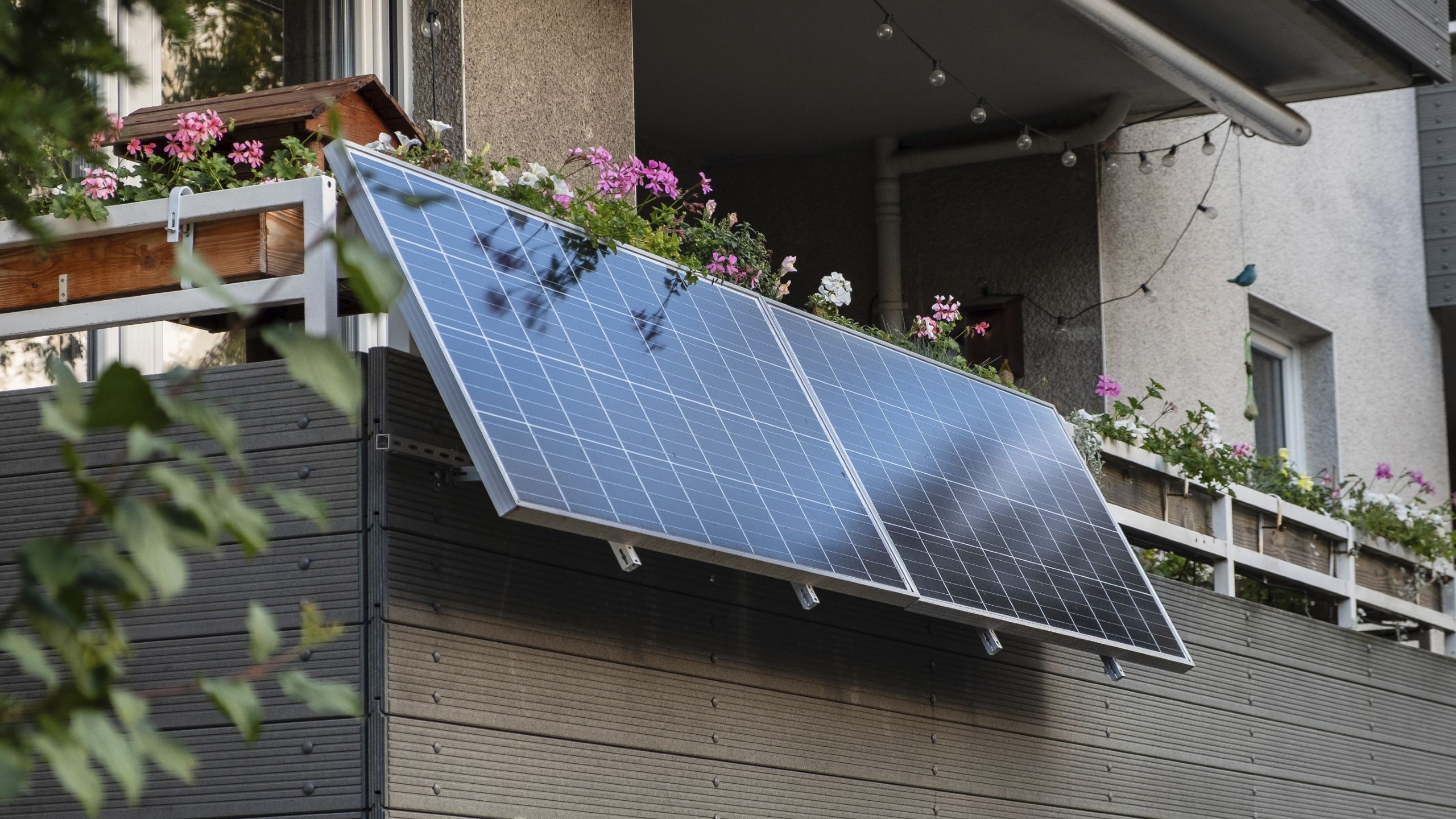
Deciding whether a plug-in solar panel is the right investment for your home will understandably depend on various factors, but a key consideration will be how much energy your panels can actually generate.
When it comes to plug-in solar panels, it’s worth understanding how they differ from traditional rooftop solar panels. They are significantly more affordable and easier to install, but as a result, can generate much less energy.
So before you buy a plug-in solar panel, I’ve spoken to the experts to find out exactly how much power these devices can make, and the appliances it can power, as well as those it can’t to help you decide if it’s the right choice for your home.
Latest Videos FromIdeal Home
How much power can plug-in solar panels generate?
So what kind of output can you expect from a plug-in solar panel? ‘A typical plug-in solar panel has a rated output of between 100 and 400 watts, but real-world generation is always lower than the rated figure,’ explains John Collett, Director, Quantum Renewables.
‘In the UK, a 400-watt panel will generate somewhere between 250 and 320 watt-hours on a clear summer day. In winter or overcast conditions, that drops to 50 to 100 watt-hours. The actual figure depends on panel orientation, shading, the angle of installation and the efficiency of the inverter converting the electricity for household use.’
But in real life, what can you actually do with that output?
What appliances can plug-in solar panels power and for how long?
‘A plug-in solar kit isn’t going to take you off-grid but it can make a difference to your bills,’ says Hemal Morjaria, Chief Commercial Officer at City Plumbing. ‘The best way to think about it is that it can reduce the amount of electricity your home needs to draw from the grid, rather than directly powering individual appliances.
‘Their output changes throughout the day depending on sunlight, shade, the direction of the panel and the time of year. Plug-in solar kits do not store energy, so any electricity they produce must be used immediately, or it will flow back to the grid.’
But if it helps you to understand their output in terms of appliances, then your plug-in solar panels could power:
- An LED TV for around 4-5 hours
- A laptop multiple times
- An energy efficient fridge for around 3 hours
- A phone charger all day
- Your Wi-Fi router
- A games console, like an Xbox S
‘A 400-watt panel generating 300 watt-hours on a good day could run an LED television for around four to five hours, charge a laptop three or four times, power an energy-efficient fridge for approximately three hours or run a phone charger essentially all day,’ says John.
‘It is not enough to make a meaningful dent in a household’s total consumption, but used strategically to offset specific appliances during daylight hours it provides a genuine, measurable reduction in energy drawn from the grid.’
Shop plug-in solar panels
UKSOL
515w Pro Compact Plug in Solar Panel With Hybrid Mount Bundle
Modular Solar
Plug-In Modular Solar Unit
PowerXpress
800W Bifacial Plug-In Solar Power Kit
Which appliances can’t plug-in solar panels power?
You’re more heavy hitting heat-generating appliances, or those you tend to use when the sun has gone down, won’t be powered by your solar panels.
- Tumble dryers
- Washing machines
- Electric showers
- EV chargers
- Ovens
While plug-in panels are most beneficial for those appliances always running in the background, they won’t generate enough power for more energy-hungry appliances, as Brian Davenport, solar lighting expert and Co-Founder of The Solar Centre, which will soon be launching its own plug-in solar panels, explains: ‘It typically won’t be enough to run appliances like kettles, washing machines on longer cycles and electric heaters at the same time as other appliances.’
FAQs
How can you optimise how much power a plug-in solar panel generates?
To optimise how much power your plug-in panel generates, you need to position it in the best spot, and keep it free of dust and debris.
‘A homeowner can optimise the power they get from a plug-in solar panel by choosing the correct placement for the hardware, and being aware of the energy they use during daylight hours,’ says Alvaro Iturmendi, solar energy expert at Uswitch.
‘South-facing installation at an angle of between 30 and 40 degrees gives the best year-round output in the UK,’ adds John, allowing it to receive the most direct sunlight hours. ‘Avoid any shading from trees, neighbouring buildings or roof features as even partial shading significantly reduces output,’ he continues. ‘Keep the panel surface clean as dust and debris reduce efficiency noticeably.’
If you enjoyed reading this, sign up for the Ideal Home newsletter for all the latest home decor trends and inspiration delivered straight to your inbox
Read the full article here