


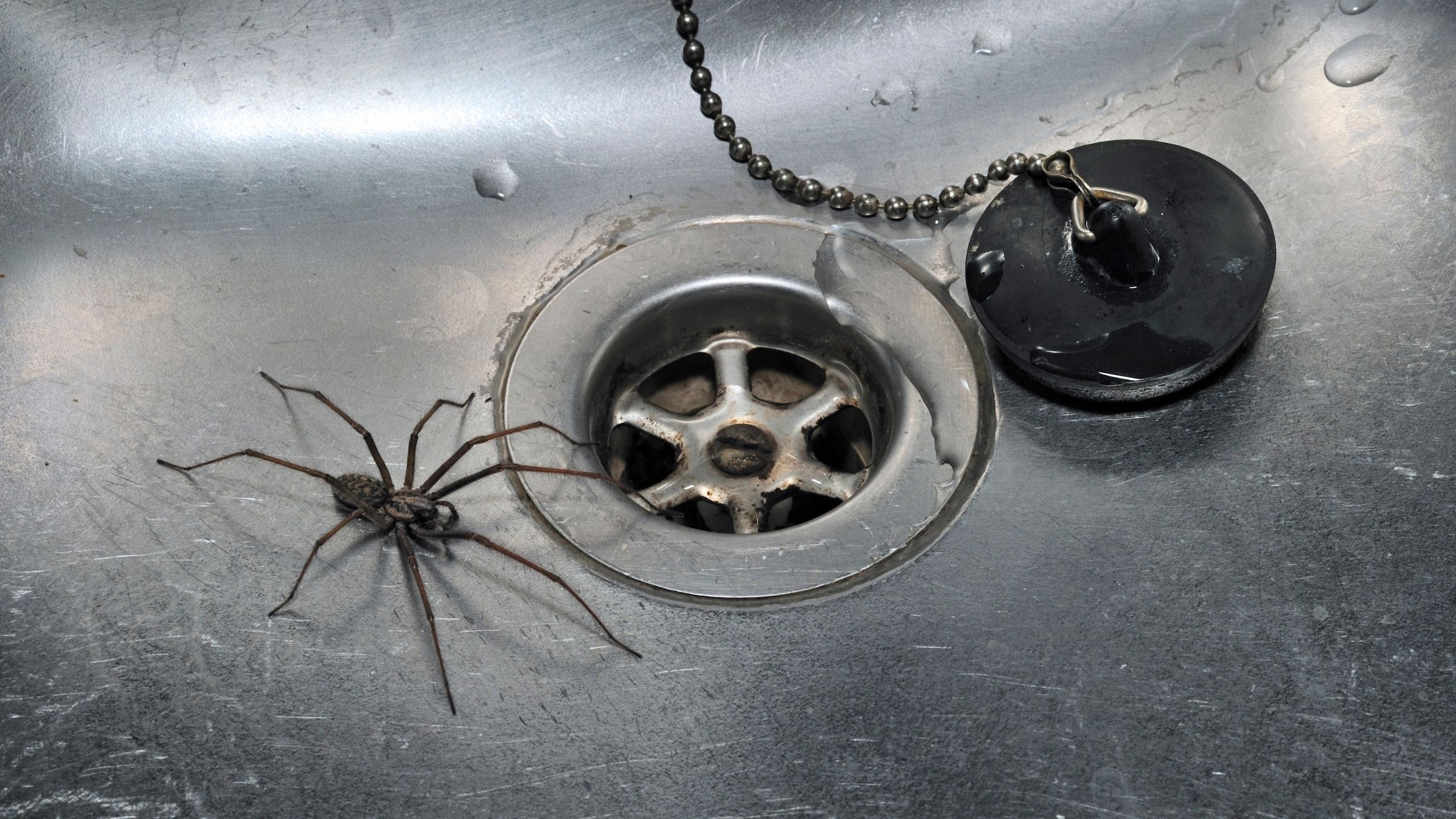
Last week, I awoke to a spider (quite literally) hanging out on my bedroom ceiling…right above my head. The next day, I unknowingly took a shower with one of these eight-legged critters. And if that’s not a sign that spider season is officially here, then I don’t know what is.
Even more horrifyingly, experts warn that this year’s spider season will be worse than ever, as the warmer temperatures will result in them staying active for longer as they go in search of their mates. Because of this, knowing how to get rid of spiders is key – but understanding why they’re coming in is equally as important.
And it turns out that many of us (me included) have unknowingly been luring these spiders into our homes without even realising it. So, it’s well worth understanding what attracts spiders and making a few changes before these rent-dodging lodgers outstay their welcome.
Latest Videos FromIdeal Home
1. Moisture and humidity
While spiders can set up camp in any room of the house, they definitely have a preference. As Alex Woods from Victorian Plumbing explains, ‘You’re most likely to find spiders in your bathroom or kitchen, because their food is attracted to dark, moist areas.’
And by ‘food,’ Alex means most insects, including flies, mosquitoes, moths, and earwigs, all of which are typically attracted to your moisture-ridden drains and pipes. So when a spider needs a meal, it’s going to head straight to the source and head to the areas that are high in moisture and humidity, too.
Because of this, it’s well worth cleaning your drains regularly and keeping humidity in these rooms to a minimum. Opening windows and using extractor fans can help here, but you may also want to use a non-electric dehumidifier, such as this Absodry Moisture Absorber (£27.99 at Amazon), to tackle excess moisture.
You can also use plants and the scents spiders hate to your advantage here. Alex explains, ‘Plants such as mint, lemongrass or eucalyptus will not only elevate your bathroom interior, but they will help warn off spiders as they hate these kinds of aromas.’
Skalago
115 Pcs Mixed Dried Eucalyptus Stems & Lavender Flowers Bundles for Shower
Eucalyptus is a great addition to the bathroom, as it also helps to clear sinuses, boost your mood, and offer that spa-like experience.
2. Bright lights
The days definitely start getting shorter in September, and you may be inclined to use your outdoor lights as a result. Just be warned that these can also attract spiders into your home, especially if you’re also leaving doors and windows open to enjoy the still-warm weather.
Helen Godsiff, Brand Manager at Eurocell, warns, ‘When spending time outdoors, keep outdoor lighting to a minimum where possible, as the lights can attract insects, which in turn provide a food source for spiders.’
She adds, ‘This can make areas around the home and garden more appealing to them, so don’t be surprised if you notice an influx in the kitchen or garden rooms.’ And when they’re in your house, they’re probably not going to want to leave anytime soon.
Of course, not using your lights at all may be a step too far for you, but simply understanding that lights will attract spiders can be all you need to keep them out – especially if you enlist the help of a spider catcher and rehome them as soon as you spot one trying to sneak its way in.
Amazon
65cm Spider Catcher
This spider catcher is humane and doesn’t harm the spider, but still allows you to get it out of the house – or re-home it before it does get in the house.
3. Clutter
It’s already a well-known fact that excess clutter can cause damp, so it should come as no surprise to learn that clutter can also attract spiders. But it turns out that spiders also love hanging out and spinning their webs in clutter because they love being warm and cosy and hate being out in the open.
Luke Newnes from Hillarys explains, ‘Dark, undisturbed areas with piles of stored items can provide ideal conditions for spiders to settle. Keeping these spaces tidy and regularly checking stored belongings can help discourage them from nesting.’
After all, if a spider nests in your house, there’s a very high chance that future spider babies will soon call your home their home – making the situation so much worse. Because of this, decluttering regularly (without making a bigger mess) can work wonders. You also need to maintain a regular cleaning schedule.
Having one of the best vacuum cleaners to hand can help. Dr Jonathan Kirby, Head of Research & Development at Safeguard Europe, says, ‘Regularly remove or vacuum webs and any visible egg sacs. This can reduce activity, but spiders will quickly attempt to rebuild their webs if suitable shelter and insect prey remain. Reduce clutter and keep flies and other insects out to make it harder for spiders to enter and settle.’
woodluv
Woodluv Set of 3 Seagrass Storage Box With Lid
If you don’t have time to fully declutter, popping your items in wipeable storage baskets like this allow you to move them regularly and prevent any hidey-holes for spiders.
4. Shelter
You probably don’t need me to tell you that the weather in the UK is becoming increasingly unpredictable. This summer alone, we’ve gone from month-long heatwaves to flash flooding. Because of this uncertainty, spiders seek shelter in our homes to find a stable place to enjoy mating season.
And when they want to come in, they do so through the weak spots in your home – including cracks and gaps in windows and door seals. The good news is that fixing these can also help you draught-proof your home ahead of winter.
Luke advises, ‘Check external doors and window frames for small cracks or gaps where spiders can enter. Replace damaged weather seals and use exterior-grade sealant- both of which can be picked up for less than £10 from most DIY retailers to close openings around frames, helping to prevent spiders from getting inside.’
In fact, you can buy this UniBond Outdoor Window & Door Frame Sealant for just £8 at Amazon. And if there are bigger gaps that need to be filled in order to keep spiders and draughts out, you can also buy draught-excluder tape for a very affordable price, too.
Bynsaer
Draught Excluder Tape for Door Window
This tape is self-adhesive and can be used around windows and doors to seal any gaps or cracks for spiders to enter through.
5. Food waste
We already know that spiders follow their food’s footsteps, and flies will also enter homes with human food waste and crumbs for them to eat. Because of this, it’s also important to keep this to a minimum during spider season – and at any point throughout the year – if you want to keep critters at bay.
This means emptying normal waste bins as soon as possible, sealing your food waste caddy and taking steps to deter flies, and regularly wiping down surfaces to remove any lingering crumbs, sticky residue, or large chunks of food.
When you’ve done this, it’s well worth cleaning any areas where food has been present with essential oils, as spiders hate these scents. Alex advises, ‘A drop of essential oil is enough to deter a spider. You can make your spider repellent by mixing essential oil (20 drops) and water in a spray bottle. The best essential oils to use for your repellent are: tea tree, lavender, peppermint, citrus, and cinnamon.’
Just be warned that some essential oils are toxic to pets, so it’s worth taking caution if you have animals in your home – or avoid them altogether. Thankfully, making a white vinegar spider-repellent spray can be just as effective, and you can pick up a bottle of white vinegar for just £1.50 at Dunelm.
Sorry, spiders, if you’re not paying rent then you’re not coming in…
If you enjoyed reading this, sign up for the Ideal Home newsletter for all the latest home decor trends and inspiration delivered straight to your inbox
Read the full article here