
Putting up a bird feeder is one of the easiest ways to support garden wildlife, but knowing where not to put a bird feeder is just as important as what you fill it with. The wrong spot can leave birds vulnerable to predators, increase the risk of disease, or put them off visiting altogether.
When it comes to caring for garden birds, most people focus on what to feed birds in a garden. But following updated guidance from the RSPB on the spread of the deadly finch disease trichomonosis, knowing where to position a feeder is just as important. Placement plays a key role in reducing contamination and helping birds feed safely.
The good news is that small tweaks to your setup can make all the difference. Here are the spots experts warn you should avoid when it comes to bird feeder placement – and what to do instead.
1. Leaving it in the same spot for too long
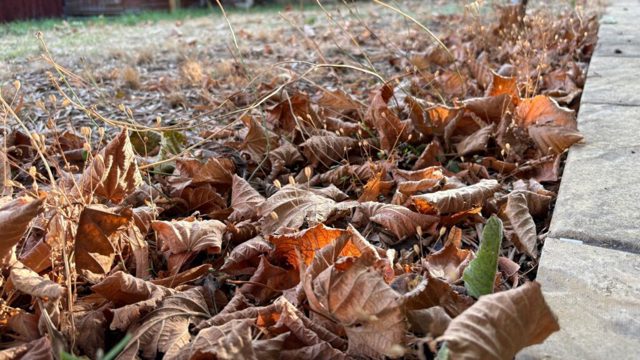
This one surprises most people, but the RSPB warns that leaving bird feeders in the same spot in your garden can allow waste, seed husks and droppings to accumulate, increasing the risk of disease.
‘We advise that the position of bird feeders are rotated around your outdoor space, to reduce the likelihood of contaminated food building up beneath a feeder,’ says Charlotte Ambrose, wildlife expert at the RSPB.
The RSPB guidance is to give bird feeders a thorough clean every week, which is also when you should rotate them. ‘This is a great time to then also move them to a new spot once cleaned, and once any existing debris beneath feeders has been cleared up,’ advises Charlotte.
This is especially important when feeding birds during wet weather – heavy rain can increase the build-up of contaminated food and droppings beneath a feeder – making regular rotation even more of a priority.
2. Next to a window
Next to a window might seem like the perfect spot to place a bird feeder, but it can significantly increase the risk of collisions as many birds struggle to identify a reflection in a window.
Dick Woods, founder of Finches Friend Nature warns that window collisions are one of the most common significant threats to birds.
‘Never place a feeder next to a window,’ he says. ‘When a feeder is placed beside glass, birds see the reflection of the garden, not the barrier. If startled, they can take off at speed and fly straight into the window.’
To reduce risk, place feeders well away from windows, or use a purpose-built window feeder with a controlled, close-range feeding design that slows bird movement and reduces the risk of collision.
3. Close to fences or dense cover
While it might feel logical to tuck bird feeders against hedges or fences for shelter, it can be exactly the kind of spot a cat will stake out.
‘Position feeders away from dense shrubs, thick hedges, or fence lines where predators can easily ambush birds,’ advises Sean McMenemy, wildlife expert at Ark Wildlife.
Charlotte also adds that while it can be tempting to attach feeders to a fence, this practice can make it easier for rats to reach the feed and for cats to prey on feeding birds.
The ideal positioning is near, but not touching a tree, bush or hedge. ‘Try to position feeders near either bushes or a hedge, so that there is cover close enough by that birds can dart into if needed, but not so close that predators could be lying in wait,’ says Charlotte.
A useful rule of thumb, Charlotte adds, is that birds prefer a clear 360-degree view of their surroundings while feeding.
4. Underneath a tree
Hanging a bird feeder from a tree sounds like a natural spot, but placing it directly beneath branches can create several problems.
‘The RSPB recommends not placing feeders underneath trees,’ Charlotte says. ‘This can unwittingly provide a spot for predators to sit and wait, and can also result in bird droppings from perching birds landing on feeders.’
If you do want to use a tree, hang the feeder from the end of an extending branch or bracket away from the trunk, so it sits clear of the main canopy.
5. On flat surfaces or bird tables with trays
Bird tables and feeders with attached flat trays look charming and traditional, but the RSPB is now actively warning against using them.
‘Our scientific research has confirmed that flat feeding surfaces carry a higher risk of Trichomonosis spreading between birds,’ says Charlotte. ‘So we’re asking the public to retire feeders with flat surfaces, such as bird tables and feeders with attached trays, including window feeders.’
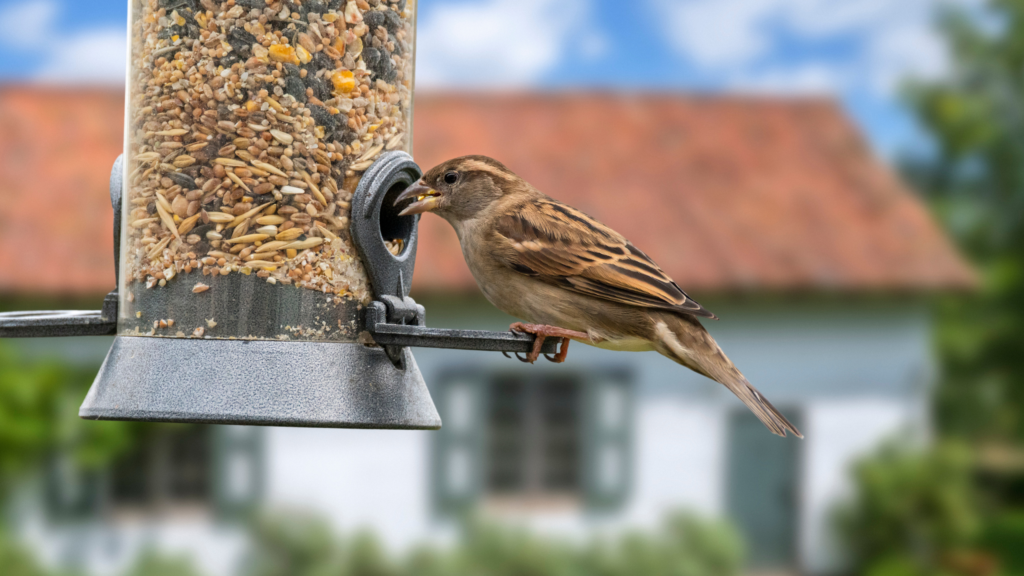
Instead opt for hanging tube or mesh feeders, which keep food moving and helps prevent contamination from building up.
Shop bird feeder essentials
Amazon
Anti Collision Stickers
If your garden has large windows or glass doors, anti-collision stickers are one of the simplest things you can do to protect visiting birds. These ones from Amazon are removable and reusable.
Argos
Gardman Wild Bird Feeding Station
A freestanding feeding station solves the biggest placement headache – and this one is currently on sale at Argos.
RSPB
RSBP Hanging Classic Seed Feeder
This RSPB Classic Seed Feeder, from Amazon, has four ports, is easy to clean, and is suitable for year-round feeding.
Where is the best place to put a bird feeder?
‘The best location for a bird feeder is one that balances safety, shelter and visibility,’ says Sean McMenemy, wildlife expert at Ark Wildlife. ‘In UK gardens, feeders should ideally be positioned near, but not directly touching, trees or shrubs, providing birds with a quick escape route if they feel threatened.’
Sean says it’s also important to choose a sheltered location that protects food from strong winds and excessive sun while maintaining a clear view of the surrounding area. ‘A quiet part of the garden, away from heavy foot traffic and road noise, will help birds feel more secure and encourage regular visits throughout the year.’
By choosing a sheltered spot with nearby cover and a clear line of sight, you’ll create a feeding station that is both safer and more attractive to visiting birds.
With concerns around trichomonosis and other diseases growing, getting bird feeder placement right has never been as important. A few simple changes can help keep visiting birds safer while encouraging them to return to your garden year-round.
Read the full article here