






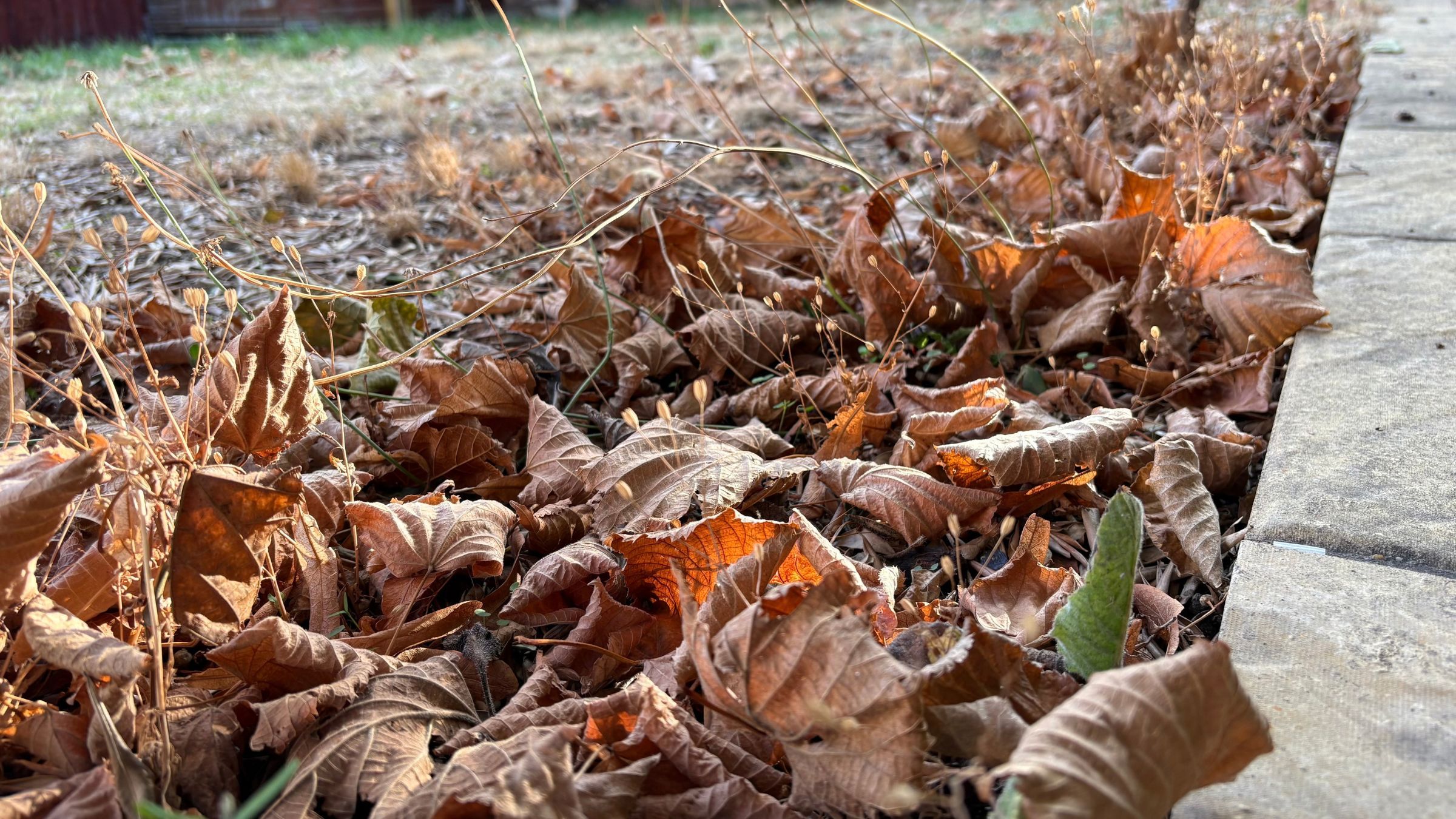
My garden is positively littered with fallen leaves right now – my borders are filled to the brim – but rather than throw them away, I’ve found a few ways to use fallen leaves in the garden.
Although some experts say you shouldn’t clear every leaf from your garden, you’ll want (or need) to manage larger piles of leaves. Not only can they be unsightly, but they can also get in the way of simple gardening tasks like planting spring bulbs – and no one wants to be shovelling leaf piles out of the way when they’re trying to tend to their plants.
I’ve rounded up a few ways I’ll be using fallen leaves in the garden to help you manage your autumn garden.
Latest Videos FromIdeal Home
What you’ll need
FLYMO
Easiblowvac 4.0 Cordless Garden Vacuum & Leaf Blower
A leaf vacuum makes collection so much easier, and this blower-vac mulches leaves, too.
If you’ll be collecting fallen leaves manually, you’ll need a sturdy leaf rake (and this one’s budget-friendly!).
Selections
Selections 600 Litre Wire Mesh Garden Leaf Composter Bin
A wire cage bin is a fancier way of storing leaves for leafmould.
1. Make leaf mulch
If, like me, you’re wondering what to do with a huge amount of leaves in your garden, the quickest way to use them is by turning them into a leaf mulch.
Mulching has a huge number of benefits, and it becomes even more important as the weather cools down for autumn and winter. If you have something like a shredder, or a lawn mower or leaf vacuum with a mulching feature (I’m using my brand-new FLYMO EasiBlowVac, available at Currys, which shreds the leaves as it collects them), you’ll be able to turn fallen leaves into a mulch instantly.
‘You can use leaves as a mulch straight away,’ says Julian Palphramand, head of plants at British Garden Centres. ‘Shred them with a mower or leaf shredder and spread a 5cm layer around shrubs, trees and borders to suppress weeds, retain moisture and protect roots from frost, keeping the layer away from plant stems to avoid rot.
‘On the lawn, mow over fallen leaves so the blades chop them up and distribute them as a light mulch, which feeds the soil and keeps the lawn healthy.’
2. Turn them into leafmould
If you’re willing to wait a bit longer for ‘garden gold’, you can make a nutrient-rich soil conditioner called leafmould out of fallen leaves in the garden. All you need is a few bin bags!
‘Collect leaves in a wire garden bin or just a bin bag, dampen them slightly, and let them sit for a year,’ says Chris Bonnett, founder of GardeningExpress.co.uk. ‘The result is dark, crumbly leaf mould, which is a nutrient-rich, free soil conditioner that improves soil texture and water retention.’
If you want something a little more sightly than a bin bag, you can buy wire bins like this Selections 600 Litre Wire Mesh Garden Leaf Composter Bin from Amazon.
3. Put them in the compost bin
Or add fallen leaves to your compost bin. It’s one of the best ways to use fallen leaves in the garden, especially if you’ve already set up a composter.
‘Fallen leaves are rich in carbon, making them a perfect addition to your compost pile,’ explains Chris. ‘Mixing them with green materials like grass clippings and kitchen scraps helps create a balanced compost that breaks down efficiently.’
You can learn how to make compost in a regular bin, or go for a dedicated unit like this Verve Beehive Composter from B&Q.
4. Make shelter for wildlife
There are, of course, wildlife-friendly ways to tidy your garden for autumn, and turning fallen leaves into wildlife sanctuaries is one of them. Larger leaves make valuable shelter for all manner of insects and mammals.
‘In wilder corners, you can leave a thick layer of leaves undisturbed to create habitats for insects, frogs and other wildlife,’ suggests Julian.
You could even place some of the leaves inside a hedgehog house like this Deluxe Ventilated Hedgehog House and Hibernation Shelter from The Hutch Company on Amazon for extra insulation. Just make sure you do it when you first position the house in your garden, so you don’t disturb any residents who have already moved in!
That’s how I’ll be using fallen leaves in my garden this autumn. They’re basically a free soil conditioner!
Read the full article here


