



If you’ve spent the past week seeking shade, I can assure you that your garden plants have been, too. To protect plants from sun damage in hot weather, garden experts have revealed four ways to shade plants that can’t be moved during hot weather.
If the most recent heatwave has played havoc with your garden borders, leaving bedded plants crispy, yellow and lacking leaves, then it’s a wise idea to learn how to shade plants in hot weather, especially when you consider meteorologists have warned extreme heat is becoming more frequent.
If you’re growing hydrangeas, maples or even courgettes and tomatoes, here are four ways to keep them shaded and safe when the mercury spikes.


1. Use shade fabric
The first thing experts recommend doing is using shade fabric – such as a piece of cloth, bedsheets or specialist shade netting (£7.40, Amazon) – and staking it over the plants you want to shade.
‘One of the easiest and most effective ways to protect delicate plants is by placing stakes around them and attaching garden netting or shade cloth. This creates a protective barrier that reduces the intensity of direct sunlight while still allowing plenty of air to circulate the plant. Unlike solid covers, netting helps prevent heat from becoming trapped, making it an ideal temporary solution during heatwaves,’ explains Amber Tunney, Horticultural Specialist at Cherry Lane Garden Centres.
‘Garden netting or purpose-made shade netting is one of the most practical ways to shield plants from excessive heat. It’s lightweight, simple to install and remove, reusable throughout the growing season and allows both airflow and filtered sunlight to reach plants. This balance helps protect vulnerable plants without depriving them of the light they still need to grow.’
2. Mulch
Ah mulch. We wax lyrical about mulching a garden because there are really so many benefits, especially when using our favourite Rocketgro Organic Mulch, £15 at Amazon. As well as improving soil quality, suppressing weeds and providing insulation in winter, mulch also acts as a layer of suncream for a plant’s roots in hot weather.
‘The best way to protect plant roots in the heat is to apply mulch to the surface of the soil, which can be done for plants growing in large containers, raised beds, beds and garden borders where plants can’t be moved,’ says Lucie Bradley, gardens and greenhouse expert at Easy Garden Irrigation.
‘Ideally, you need to apply a thick layer of organic mulch between 5 and 8cm deep, remembering to leave a small gap between the mulch and plant stems, tree trunks, etc., as placing mulch against these could cause dampness, which encourages pests and diseases. This depth of organic mulch will not only insulate the soil from the sun, but it will also help to reduce moisture loss and can actually reduce the root zone temperatures by up to 10 degrees Celsius during the hottest times of the day.
‘Some of the best mulches to use include well-rooted garden compost or manure, composted bark or wood chips or mineralised straw mulch such as ‘Strulch’.’
RocketGro
Organic Magic Mulch – 50L
3. Use a parasol
Another garden shade idea that works effectively at shading plants is using a garden parasol or awning to shade your unmovable plants.
‘For particularly vulnerable plants, positioning a garden parasol or creating a lightweight canopy over them can make a significant difference. Providing shade during the hottest hours, typically between late morning and mid-afternoon, helps prevent plants from becoming stressed while still allowing them to benefit from the gentler morning and evening sunshine,’ says Amber.
4. Let taller plants provide natural protection
With extreme heat predicted to become more common in the UK, it could be a wise idea to consider your future planting schemes so your most vulnerable plants are protected by taller, sun-tolerant plants.
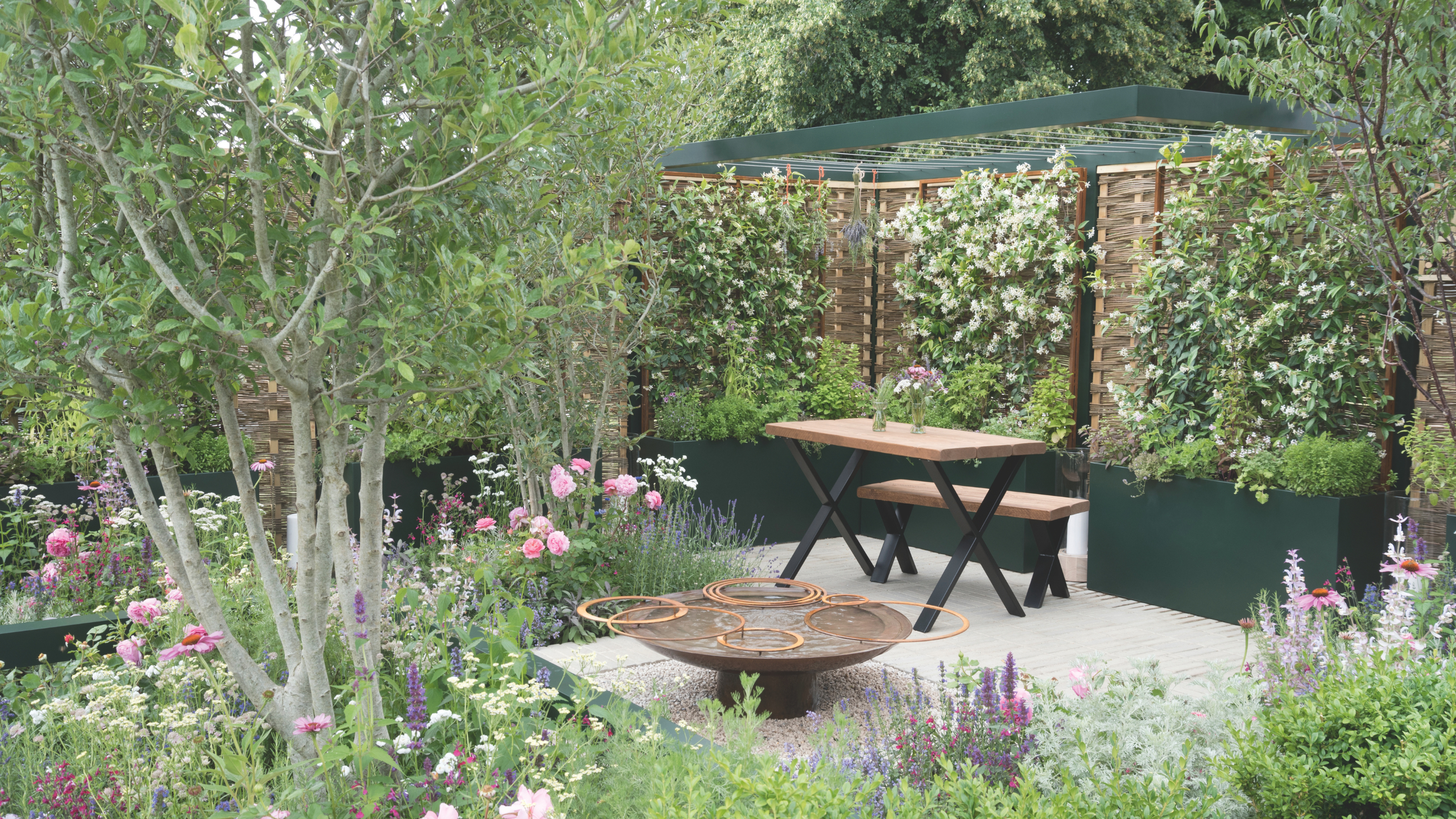
‘If possible, use taller companion plants to cast shade over smaller, more delicate varieties. This natural layering helps lower leaf temperatures and reduces water loss through transpiration, while also protecting foliage from scorching. It’s a simple technique that works particularly well in mixed borders and vegetable gardens,’ says Amber.
What you need
TMGJShd
Shade Netting 60% Sunblock Shade Cloth
Shade netting is well-ventilated to allow airflow, while it blocks the majority of harmful UV rays.
Verve
Verve Natural Woodchip Mulch 100l Bag
Lucie recommends using wood chip to mulch in hot weather.
Home Source
Home Source Gozo 2m Garden Outdoor Parasol Grey
Using a parasol is a great choice in many gardens, and can be enjoyed by both you and your plants!
When it comes to protecting your plants from hot weather, prevention is always better than cure. So, next time the temperature is set to spike, provide shade to your plants quickly, and they should survive the heatwave.
Read the full article here