


In light of all the recent wet weather, garden experts have revealed the three ways we’re making our gardens more flood-prone, as experts warn the UK is ‘sleepwalking’ its way into a flooding crisis.
When torrential rain rears its head, we all start thinking about how to flood-proof a garden. Sometimes this is for ‘just in case’ reasons, but with over five million homes in the UK now at risk of flooding, according to Flood Re, it’s an issue we should all be paying more attention to.
Sudden downpours are predicted to become more common due to climate change, so learning how to flood-proof a house or selecting flood-proof plants for our gardens is all the more important. Equally, we need to know what we’re getting wrong, and these are three things making our homes more flood-prone.


1. Replacing lawns with hard landscaping
One of the biggest contributors to surface water flooding is non-permeable landscaping materials. While your lawn can absorb water, certain paving materials cannot – so you really need to think about the sort of materials you use for your patio ideas.
‘One of the biggest contributors is the rise in hard landscaping. Swapping grass for patios, composite decking or paving reduces the amount of area that can absorb rainwater,’ says Luke Newnes, gardening expert at Hillarys.
‘Natural lawns act like a sponge, soaking up water and slowing down runoff. When you replace that with impermeable surfaces, rainwater has nowhere to go, so it sits on the surface or runs towards the house.”
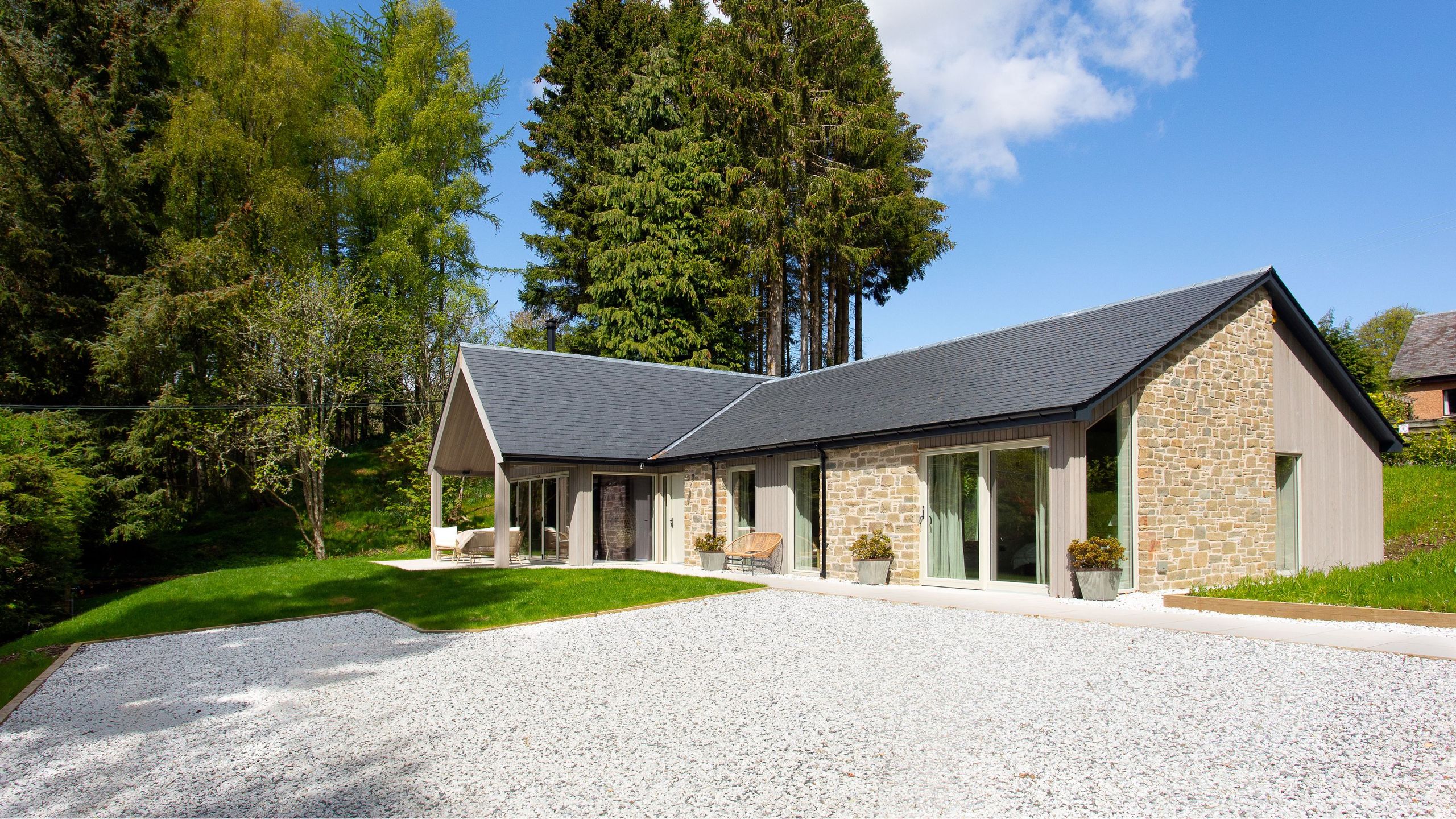
‘If you’re adding hard landscaping, opt for permeable materials like gravel, permeable paving or decking with drainage gaps. Balancing hard surfaces with planted areas also makes a big difference.’
2. Removing trees and large shrubs
When it comes to garden flooding, shrubs and trees are actually one of your closest allies. This is especially true if the trees and shrubs you have are plants that love boggy gardens.
‘Trees and large shrubs absorb significant quantities of water through their root systems. Removing them to open up a garden or improve light without replacing them with alternative planting can dramatically reduce the ground’s capacity to handle heavy rainfall. A mature tree can absorb hundreds of litres of water per day. Losing several from a garden can turn a previously well-drained plot into a boggy one within a season or two,’ explains Peter Thum-Bonanno, co-founder and CTO at property experts GetAgent.
3. Overcompacting soil
Compacted lawns are more common than you might think and can cause a load of drainage issues for your garden. To check if you have a compacted lawn, a tell-tale sign is that it feels really hard underfoot, and your grass struggles to grow.
‘Another common issue is soil compaction, often caused by heavy foot traffic, machinery or even just repeated use of the same areas,’ says Luke.
‘Compacted soil can’t absorb water effectively, so instead of soaking in, rainwater pools on the surface – which is when you start to see boggy patches forming.
‘Regularly aerating your lawn and borders helps improve drainage. Adding organic matter like compost also improves soil structure, making it more absorbent over time.’
Flood prevention kit
Walensee
Walensee Lawn Aerator Tool
You should regulary areate your lawn to reduce thatch build up and reduce soil compaction. This tool is really easy to use. All you need to do is push the spikes into your soil and repeat.
Gardening Express
Itea Henry’s Garnet Ilicifolia – Virginian Willow
Shrubs such as this sweetspiar love wet conditons. These shrubs are also great for flood-prone garden as they will absorb more water compared to more drought-tolerant plants.
B&Q
Quick Dam Water activated Black Flood barrier (W)3m
If your home is already at risk of flooding, a Quick Dam is an excellent tool for diverting flood water away from your front door and garages. It activated when wet, creatign a 10ft, 30.8kg barrier.
By being more aware of the garden features that can exacerbate flood risk, we can fix them. Instead of over-landscaped gardens, this time we embraced more wildlife-friendly, greener spaces in 2026.
Read the full article here