


There aren’t many of us who enjoy slaving over a garden, battling to keep it neat and pretty. So when I come across a plant that will fill all those pesky holes in my garden with colour with almost no effort, I’m all ears. The latest one I’ve garden experts have been raving about to me might just be the ultimate low-maintenance all-rounder – heather.
Not only is this evergreen shrub one of the best cold-loving plants, but it can also thrive in poor and acidic soil, making it an easy win if you want to fill your garden with vibrant colour and texture all year round.
If you’re looking for easy garden ideas to fill your garden this April, I’d bet heather ticks every one of your boxes. Here’s why.
Article continues below
Why is heather the ultimate low-maintenance all-rounder?
When I say heather is an excellent all-rounder shrub, I’m referring to how versatile it is, as well as how easy it is to maintain. If you’re looking for a border plant, one of the best container plants or as a ground cover plant to suppress weeds, heather is suitable (and thrives) for all these uses.
‘Heather is one of those rare plants that manages to look sophisticated without demanding a silver platter. It’s a workhorse for texture. ‘While most of the garden is looking a bit skeletal in the depths of winter, or maybe a bit scorched in a dry summer, heather holds its ground,’ says Liam Cleary, gardening expert at Old Railway Line Garden Centre.
‘It provides year-round structure, acts as a fantastic weed suppressant once it mats down, and honestly, the way it invites bees into the garden when other nectar sources are scarce is just a joy to watch.’
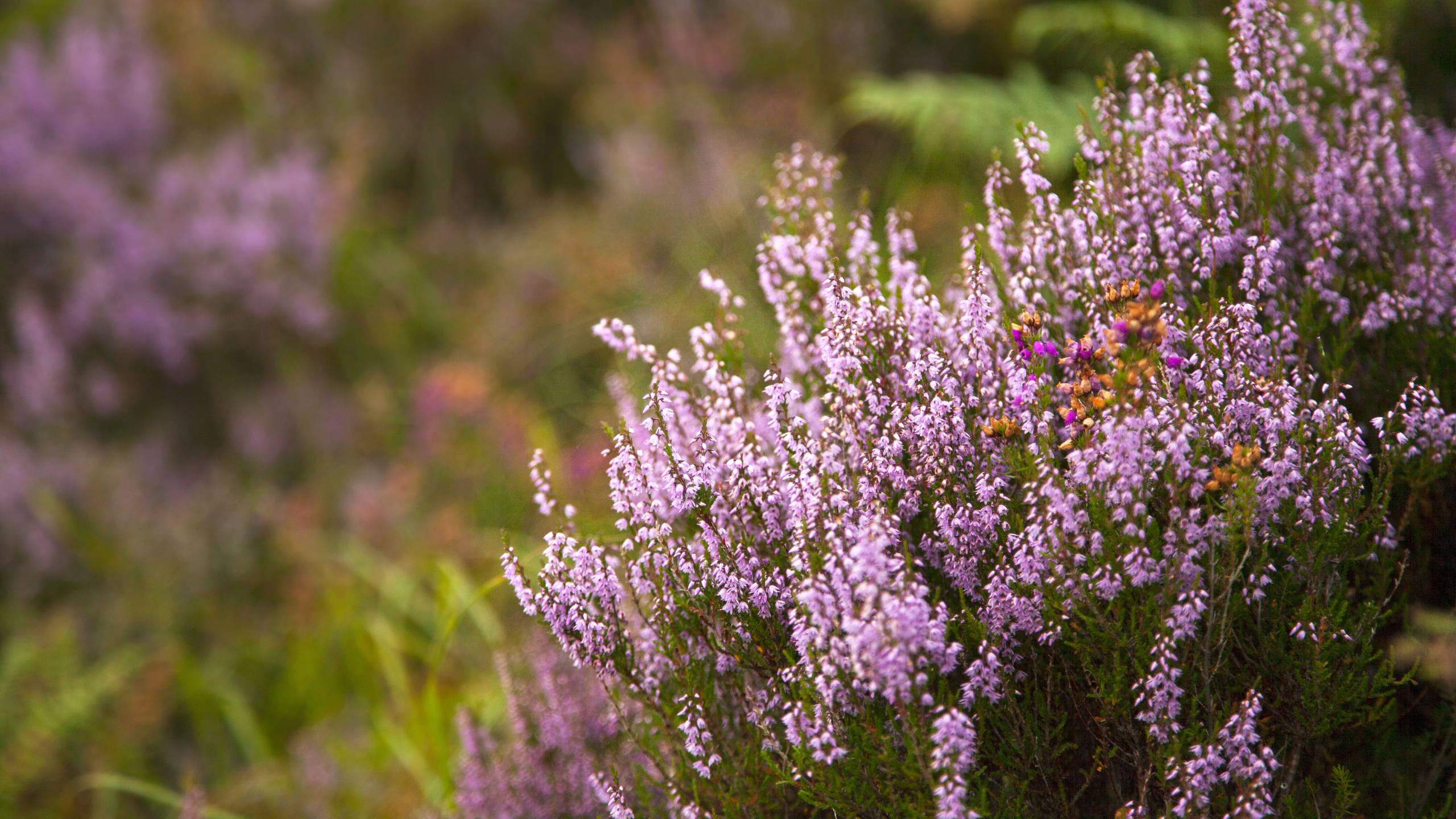
What I love about heather is its beautiful shades of purple that can brighten any garden. I particularly like Mary Helen (£7.99 at Gardening Express), which is a stunning shade of lilac in the summer and a rich bronze in the winter.
It’s also incredibly low-maintenance once established, making it a great choice for beginner gardeners or those of us who don’t have loads of time to spend beautifying our gardens.
‘Once the plant is established, then it’s very low maintenance and doesn’t even require much watering after it’s been planted, with UK rainfall levels suiting it nicely,’ says Richard Barker, gardening expert at LBS Horticulture
‘You might need to give it an annual trim once it’s finished flowering, as this will help to maintain its shape and, of course, encourage its regrowth. However, it likely doesn’t require feeding at all, and it’s naturally pest and disease-resistant, which is beneficial.’
Bold colours, wildlife-friendly features and climate-resilient planting are all key garden trends for 2026. Heather can achieve all of these things with ease.
‘I’d certainly recommend gardeners plant heather, particularly for those looking to add reliable colour without constant upkeep,’ says Amber Tunney, horticultural specialist at Cherry Lane Garden Centres.
‘It works beautifully in borders, rockeries and containers, and is especially effective when planted in groups to create a soft, carpet-like effect. It’s also a great solution for more challenging areas with less fertile soil, where it will continue to perform well.’
Heather is best planted in the spring, as this gives it enough time to establish before summer begins. Once the root network is established, the plant is incredibly hardy.
‘Now is an ideal time to plant Heather. This is because the soil is finally warming up, and it means that the heather’s roots will be able to be fully established right before the summer,’ says Richard.
‘I recommend planting Heather in a sunny location for the best flowering, and make sure to water the plant well during its establishment, especially if the spring/early summer here is dry this year.’
Where to buy heather
If I were to recommend one plant to you this spring, it would be heather. It’s easy to care for, wildlife loves it, and it’s beautiful to look at. You really can’t go wrong with a lucky sprig of heather.
Read the full article here