

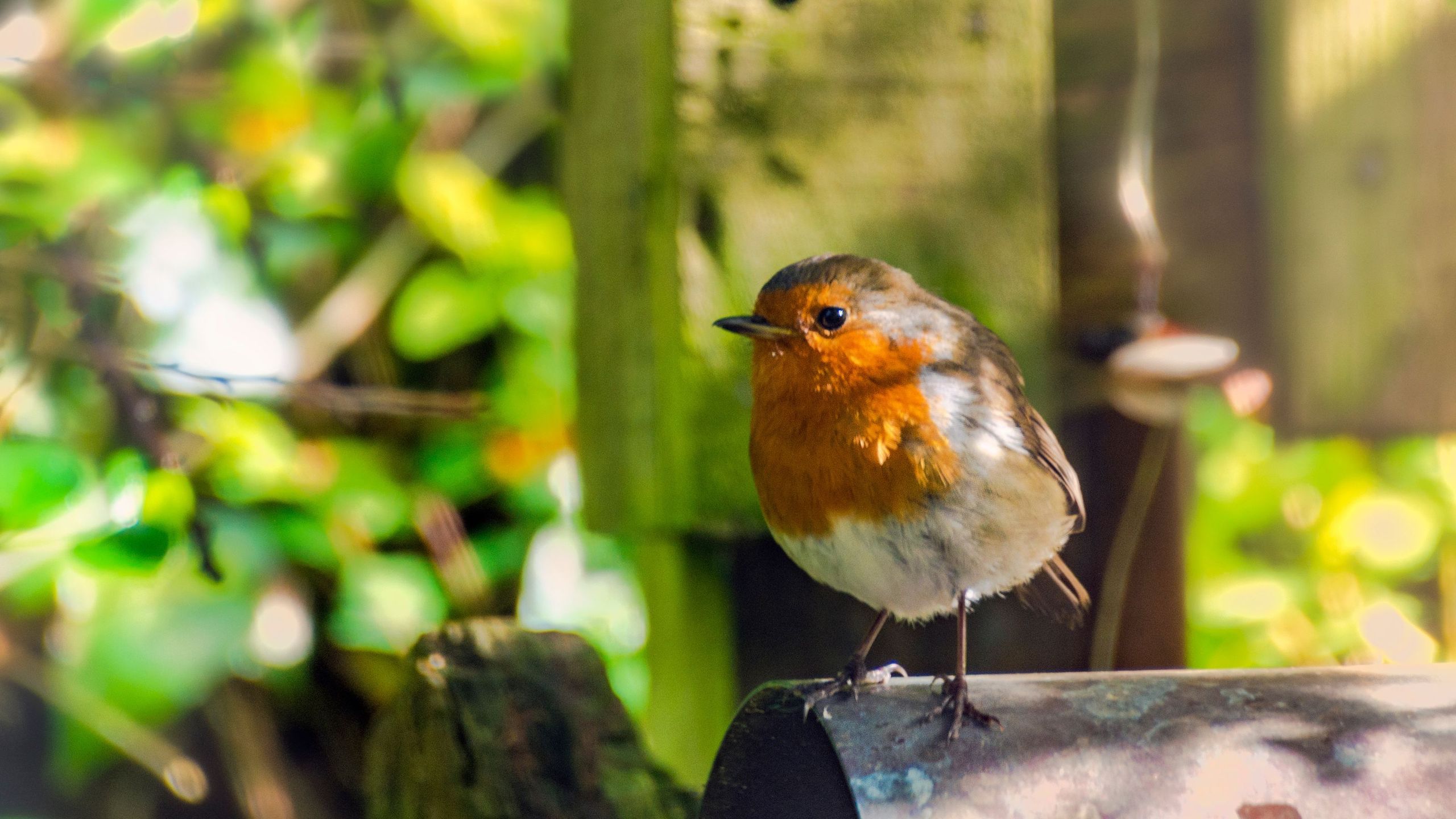
Do you want to help the nation’s favourite bird? Of course, you do, so listen up as wildlife experts are urging gardeners to dig a patch of soil in their gardens this winter to give robins a helping hand, and attract them to your garden.
Many of us love attracting robins to our gardens. Instantly recognisable and fairly confident, these little songbirds are pros at brightening your outdoor spaces. And in winter, it’s important to lend an extra helping hand when food is scarce.
How digging a patch of soil can help robins
Robins are ground feeders, which means they prefer to find their food – such as bugs, worms, seeds and berries – by foraging directly on the ground and low surfaces. During winter, this can be a little harder for robins when the ground is frozen and food is scarce. This is where you, and your garden fork, come in.
‘It can be challenging for robins to source suitable food in winter, particularly during a cold snap when the ground has frozen over, and fewer insects are available. But digging a small patch of soil in your garden each morning is one of the small acts gardeners can do to help. It’s an easy task that exposes hidden insects and gives robins access to the food sources they vitally need,’ explains Fay Brotherhood, an ecologist at Arbtech.
You don’t have to dig up your entire garden, but exposing the soil in a small patch can make it a lot easier for robins and other ground-feeding birds to find insects and worms to eat.
‘Robins mainly feed on invertebrates. Turning over soil exposes food they can’t normally reach, such as earthworms, grubs and leatherjackets. Robins naturally take advantage of disturbed ground — for example, following large animals like wild boar as they root in the soil, or grazing livestock that churn the ground and reveal insects,’ explains Dr Elliot Goodwin, Practice Owner at Vets for Pets Hereford.
However, Dr Elliot points out that digging patches of your garden is not the best long-term solution, and that we should also be using other methods to help robins source food.
‘The best way to help robins is to encourage insects into your garden. Planting insect-friendly flowers and shrubs, reducing pesticide use, and allowing parts of your garden to grow a little ‘wild’ all help boost natural food supplies. These areas also provide robins with shelter and safe places to nest,’ he says.
Fay also recommends providing food and water for the birds that visit your garden in winter, too.
‘Since robins are ground feeders, there are other ways you can help them out, too. Ground feeding trays are ideal, and offering high-energy foods like mealworms, sunflower hearts, and soft fruits can help robins access the essential nutrients they need through winter,’ she says.
‘On a cold night, robins can lose up to 10% of their body weight, so it’s important they get the right nutrition. As well as feeding trays, you can leave food out on flat bird feeders, but be sure to remove it if it gets wet and keep feeders clean to help prevent the spread of disease. And don’t forget to provide fresh water for robins to drink and bathe in.’
Love Wildlife
Love Wildlife Dried Insect Mix 1kg Bucket
Perfect for blackbirds, robins, great tits, song thrushes, and more, add this insect mix to your table feeders.
UK GROW
Premium Dried Mealworms
Robins love mealworms – they’re a great source of protein during winter.
Leagrams
Leagrams Premium Sunflower Hearts
Robins are also big fans of sunflower hearts, which are packed with protein, energy and healthy fats.
‘While robins may enjoy feeding on freshly turned soil in the short term, leaving soil largely undisturbed is better in the long run. A ‘nodig’ approach helps soil life to thrive, increasing the number of insects and worms that robins depend on. Combining healthy soil management with bird feeders, insect-friendly planting, and untidy garden corners is a far more sustainable way to support robins all year round,’ says Dr Elliot.
By helping your garden birds forage for their own food, they’ll be inclined to return – maintaining a happy and sustainable relationship in your garden.
Read the full article here