

Did you know that birds can’t sweat? Me neither, which is why I’ve asked wildlife experts what we should do to help our feathered friends during the summer and reduce their risk of overheating.
If you’re someone who likes to attract birds to a garden, you may have noticed a few of your visiting birds struggling a little in the heat. This summer has been a scorcher, with less rain than usual, hence the importance of supporting birds in hot weather.
As birds don’t sweat, they use other methods, like panting, to help them stay cool. But if you want to lend a helping hand, too, here are the garden adjustments wildlife experts recommend.
Latest Videos FromIdeal Home
Why don’t birds sweat?
Birds don’t have sweat glands, which is why they can’t sweat as we do. Instead, they evaporate water via their respiratory tract, which means they pant. Birds are warm-blooded, with most maintaining an internal temperature of around 40 degrees Celsius, and panting is one way they regulate their body temperature when the mercury spikes.
‘Sweating would actually be less effective for them because their feathers provide insulation and would make it difficult for moisture to evaporate efficiently,’ explains Richard Scholfield, Wildlife Expert at Woodlands.co.uk.
‘One of the most common ways birds cool down is through a behaviour called panting, where they breathe rapidly with their beaks open to increase heat loss. Some species also use a process known as gular fluttering, which involves vibrating the thin skin in their throat to boost evaporation and cooling without using as much energy as panting.’
‘You may also notice birds holding their wings slightly away from their bodies to allow air to circulate their skin, or seeking shade during the hottest part of the day. Many species will bathe more frequently in warm weather, using water to cool down and keep their feathers in good condition.’
What are the signs a bird is overheating?
While birds are experts at regulating their own temperature, there are instances where they overheat, and this can sometimes prove fatal. Prolonged exposure to extreme heat can cause heat stress, exhaustion and dehydration. So, it can be helpful to recognise the signs of overheating.
‘If you think a bird is overheating, check for panting, wings held out from the body and fluffed feathers. Birds that are too hot may appear sluggish, remain on the ground, or lose their balance when trying to perch,’ explains Lucy Taylor, a wildlife expert from Vine House Farm.
If you notice a bird struggling, provide cool, fresh water in a shallow dish, and ensure your garden has shade. You should not handle the bird unless it is an emergency, and consult a local wildlife rescue for help.’
How to support birds during summer
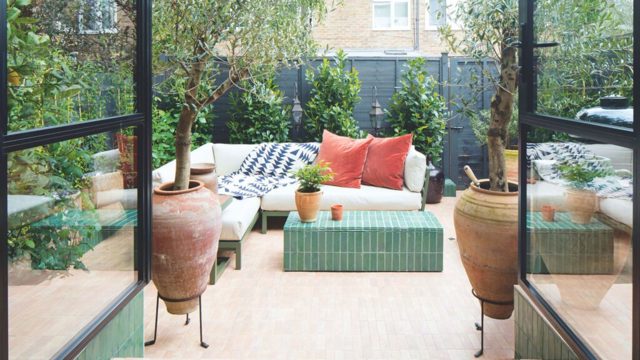
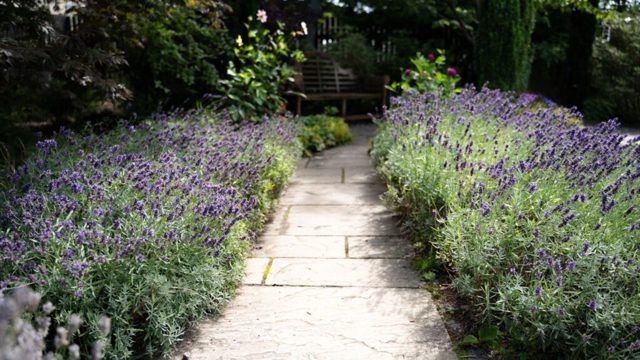
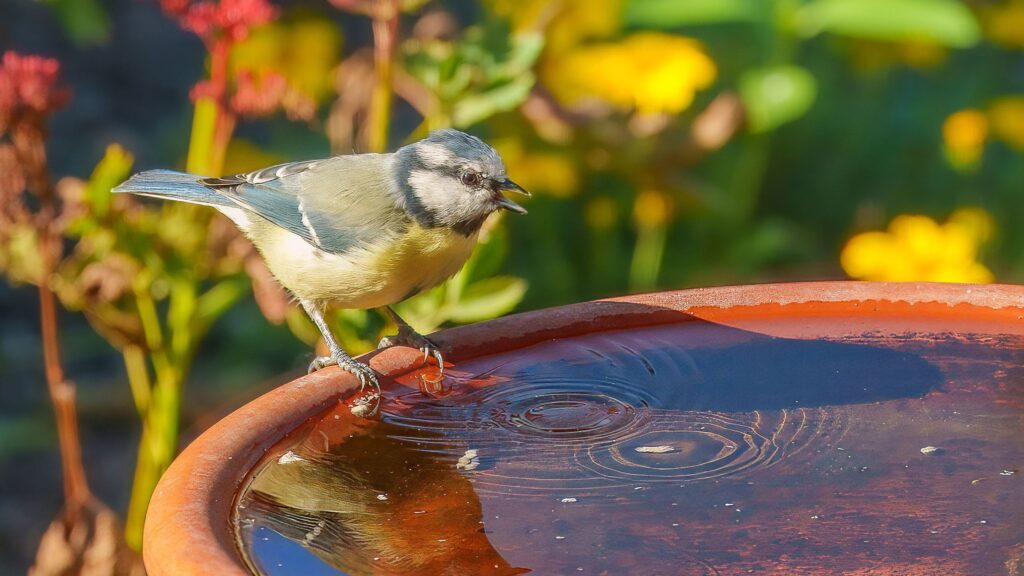
If you want your wildlife garden to be able to support birds in hot weather, you need to provide both shade and water. Consider planting plants that provide shade, such as silver birch trees, and ensure you have a bird bath (£30, B&Q) that you regularly clean and refill with fresh water.
‘To support birds during the heat, you should leave out water for them to use. Birds will drink the water and bathe in it, which helps them cool down. You do not necessarily need a bird bath for this, as a shallow dish will work as long as it is stable and cleaned regularly. Adding a few small stones is also helpful, as this gives birds somewhere to perch. Place the water in the shade if possible, and top it up daily. As bacteria and fungi thrive in the heat, you will need to clean bird baths more often. Use hot, soapy water or a mild disinfectant, rinse thoroughly and allow the bath to dry before refilling,’ says Lucy.
Richard also points out the importance of not disturbing nesting birds. Not only is it illegal to interfere with their nests under the Wildlife & Countryside Act 1981, but it can cause excess stress and increase the risk of overheating.
‘Creating shady areas in the garden can also make a big difference. Trees, shrubs, hedges, and dense planting shelter birds from direct sunlight and help them conserve energy. Avoid disturbing nesting or resting birds during very hot weather, as unnecessary activity can increase their risk of overheating,’ he says.
What you need
Peckish
Peckish Ornate Bird Bath (h)60cm
B&Q
Terrastyle Glazed Bird Bath (h)48cm
Crocus
Crocus Collection 25cm Cast Aluminium and Granite Stone Bird Bath
If you love seeing birds visit your garden, it’s important to make your outdoor a hospitable envrionment, whatever the weather.
Read the full article here