

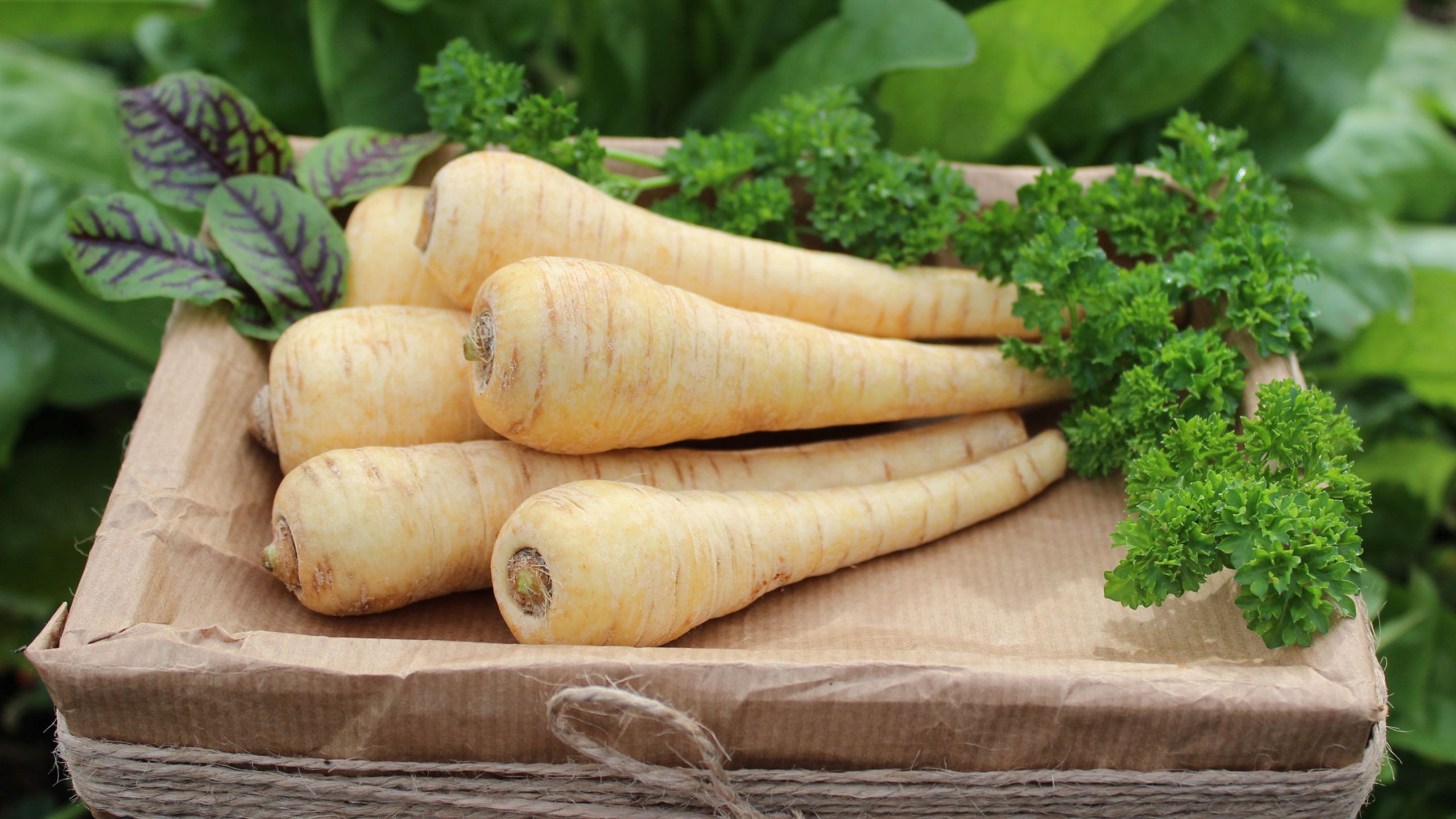
I’m putting one of my favourite root vegetables under the spotlight this week: parsnips.
They’re a roast dinner staple, versatile in the kitchen, and I hardly ever make soup without them. They’re best grown from seed, so you’ll need to know when to sow parsnips if you want to grow a successful crop.
As luck would have it, you’ll find them on almost every list of things to plant in March – but you can get started even earlier if the conditions are right. Below, you’ll find out exactly when you should be sowing parsnip seeds, and a few tips to get them off to a successful start.
What you’ll need
Mr Fothergill’s
Mr Fothergill’s Parsnip ‘White Gem’ Seeds
A popular pack of early parsnip seeds.
Crocus Kitchen Garden Cloche
A vented tunnel cloche is ideal for protecting rows of seedlings.
Haxnicks King Size Victorian Bell Garden Cloches (2-Pack)
Bell cloches for protecting smaller areas of planting.
Parsnips are one of those coveted root vegetables that are a real treat in the kitchen. Homegrown veg tastes heaps better than most you can buy from the supermarket, and parsnips are no exception – so it’s worth learning how and when to sow parsnips for even richer, fuller flavour.
As luck would have it, we’ve just about reached the sweet spot for sowing parsnips.
‘The best time to sow parsnips is from late March when the soil has warmed up, although you can sow from February if conditions allow,’ says Rachel Cole, seed manager at Fothergill’s.
Since we’re having a very mild end of February, it’s safe to start sowing parsnips directly into the ground – but like other vegetables that you can sow under cloches in February, it’s a good idea to have frost protection as a backup plan just in case temperatures drop.
It’s also wise to warm the soil with cloches (even DIY ones) for a few weeks before planting. Since temperatures have risen so rapidly over the past week, though, you’ll already be off to a slight head start.
‘If your soil’s still pretty cold, make sure you use some fleece or cloches over the planted rows to warm things up and protect the seedlings when they pop up,’ advises Julian Palphramand, head of plants at British Garden Centres.
Tunnel cloches like this kitchen garden cloche from Crocus are ideal for protecting rows of freshly sown vegetables (or, if you’re sowing smaller-scale, I always use these bell cloches from Thompson & Morgan).
Even though there are plenty of brassicas you can sow inside from February, like cauliflower and broccoli, it’s best to sow parsnips directly into the ground outside because of their taproots.
‘Carrots and parsnips are highly unlikely to produce useful roots when transplanted and are best sown where they are to grow,’ explains Guy Barter, chief horticulturist at the RHS.
It’s also wise to avoid sowing parsnips when it’s windy outside.
‘Parsnip seed is remarkably light, so choose a calm day for sowing – otherwise you might find yourself inadvertently planting parsnips somewhere entirely unexpected!’ says Rachel from Fothergill’s. ‘Remember to use sandy, well-drained soil and avoid fresh manure.’
Varieties like Parsnip ‘White Gem’ (you can order the Fothergill’s seeds from Amazon) are ideal for February and March sowing.
Parsnips are known to be one of the trickier vegetables to germinate, so some gardeners wait until the warmer spring months (April and May) to sow the seeds – but if you’re keen to take a chance on this year’s milder weather, starting the seeds now can mean you’ll get to enjoy the harvests as early as September.
Read the full article here