



Wondering what to feed birds in a garden? There are so many options, from seed mixes to suet balls – and each comes with its own benefits, depending on the season.
Bird feeders are one of the most popular wildlife garden ideas for a reason: providing birds with a food source all year round can attract a spectrum of bird species to your doorstep.
‘There’s a golden rule in garden bird feeding,’ says Danny Yeoman, wild bird expert for Pets Corner and developer of Peter & Paul Wild Bird Foods. ‘The more different types of food you offer – and the more different ways you offer them – the more birds you will attract.’
I’ve pulled together a menu with the most beneficial bird food types to help you figure out what to feed birds in a garden, and when. Below, you’ll find seven expert-approved picks.
1. Suet balls
Best for: the colder months, but also beneficial during the breeding season.
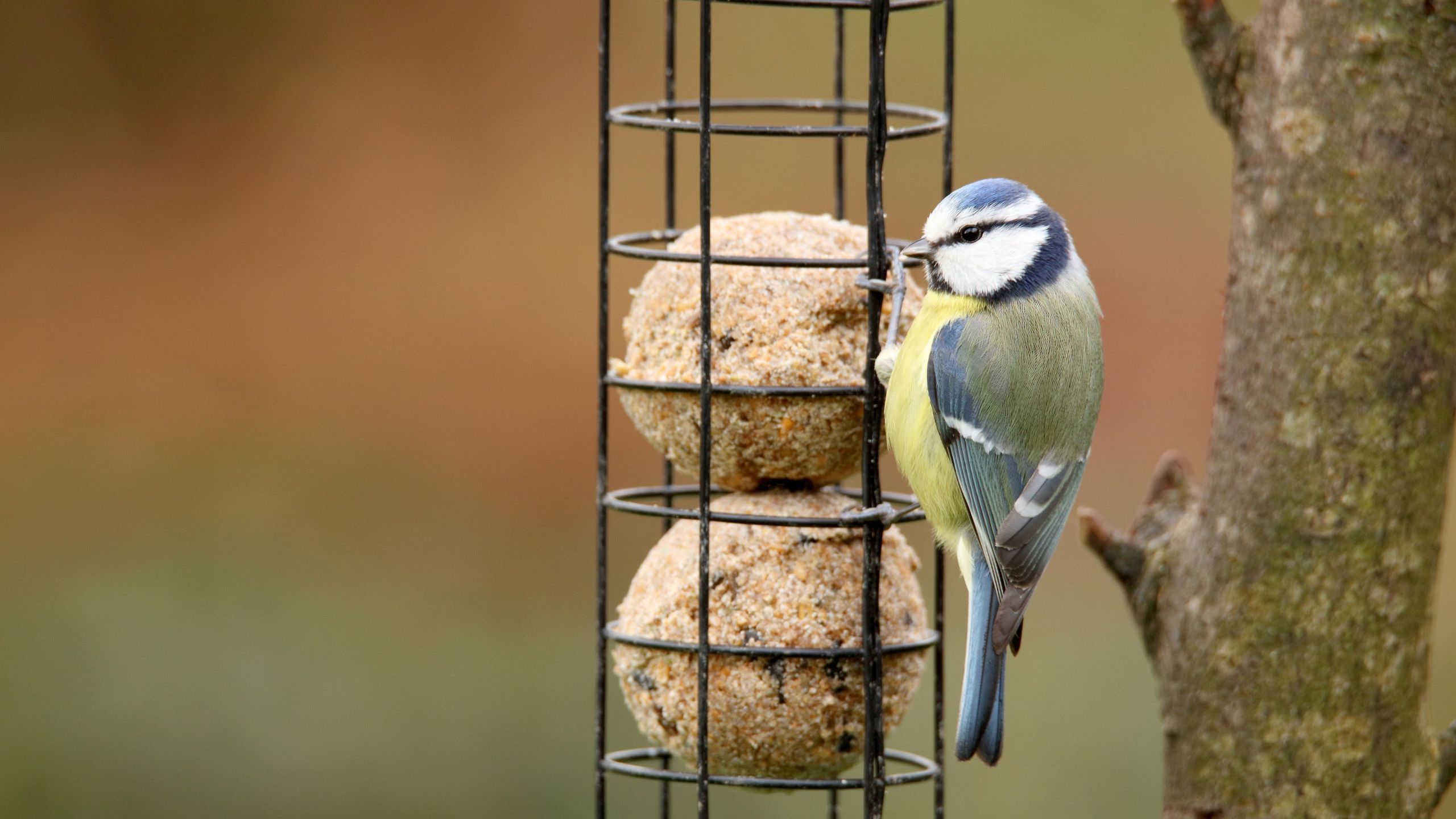
According to Danny, suet balls, or fat balls, are winter’s essential fuel for birds. It’s a go-to for gardeners looking to feed birds in winter.
‘Made primarily from fat, it delivers concentrated energy that birds can metabolise quickly, vital when overnight temperatures drop sharply,’ Danny explains. ‘Species such as woodpeckers, nuthatches and long-tailed tits are particularly fond of it.’
Besides autumn and winter, suet is also a valuable food source during the breeding season. Above all else, though, Danny says quality matters most. Cheap suet balls can be bulked out with fillers that reduce nutritional value. Go for reputable brands, like these RSPB fat balls from Amazon, which have birds’ best interests at heart.
‘Good suet should contain proper fats and recognisable ingredients like seeds or insect meal – not chalky binders or vague ‘minerals’,’ he says. ‘When birds rely on suet for survival energy, it needs to deliver.’
This Oakdale Donut Fatball Bird Feeder from Amazon puts a modern twist on traditional feeders.
2. Sunflower hearts
Best for: winter, but beneficial all year round.
Sunflower hearts are practically the gold standard when it comes to bird food. If you’re wondering what to feed birds in a garden, they’re an absolute no-brainer – and they’re jam-packed with benefits in every season. Monty Don says they’re just as important in the lead-up to nesting season.
‘If I had to recommend just one food, it would be sunflower hearts,’ agrees Danny. ‘They are exceptionally high in energy-rich oil, making them ideal for supporting birds through cold weather, the breeding season, and the daily demands of survival.’
Sunflower hearts are just sunflower seeds with the husks removed, so they’re a lot easier for birds to access and consume. These RSPB sunflower hearts from Amazon are ideal, and you can serve them up in something like this Gardman Black Steel Sunflower Heart Bird Feeder from Amazon.
3. Fruit
Best for: winter, but suitable all year round.
If you’ve got fresh fruit to spare, it can be a delicious snack for garden birds. You can use dried fruit, too, but you’ll need to soak it in water first. You can even put apples and pears on your lawn for the birds.
‘Fruit and berries, such as apples, pears, soaked raisins, or native plants like hawthorn and elder, provide plenty of sugar and hydration,’ suggests Sean McMenemy, wildlife expert and founder of Ark Wildlife. ‘Thrushes, blackbirds, and visiting winter migrants, like redwings and fieldfares, especially benefit from this type of food.’
You can also grow bird-feeding plants like crab apples that provide a natural source of fruit over the colder months. Malus ‘Red Sentinel’ (you can order a patio tree from Gardening Express) is a favourite.
4. Mealworms
Best for: spring and summer.
Of course, insects are a huge part of birds’ diets, too, so it’s important to provide a similar source of protein – especially during spring, when it’s breeding season.
‘Mealworms, dried or live, supply protein that mimics that usually found in a wild insect diet,’ says Sean. ‘Ground-feeding birds like robins, wrens, and blackbirds rely on this protein, particularly during moulting or when feeding chicks.’
If your seed mix doesn’t contain mealworms, try crushing some up and adding them to it. You can order a 5-litre bag of premium dried mealworms for £9.99 from Amazon.
Many suet blocks also contain mealworms, like these insect and mealworm suet fat balls from Amazon.
5. Black soldier fly larvae
Best for: the spring breeding season.
Mealworms are the usual go-tos for feeding garden birds protein, but according to Danny, black soldier fly larvae provide even more benefits.
‘Mealworms have long been popular, but Black Soldier Fly Larvae (BSFL) are, nutritionally speaking, a significant step up,’ he explains.
‘They contain higher levels of energy-giving fat and protein, along with a broader amino acid profile. Crucially, they also have a positive calcium-to-phosphorus ratio.’
Danny says growing chicks need calcium for strong bone development, and black soldier fly larvae provide a more supportive balance than other foods with an imbalanced ratio (often, too much phosphorus).
‘They’re an excellent choice during breeding season and for insect-loving birds such as robins, blackbirds, wrens and starlings,’ Danny adds.
You can serve black soldier fly larvae (which you can buy from Amazon) in trays (but make sure you clean them regularly), or specialised feeders like xxx
6. Niger seed
Best for: all year round.
When someone mentions niger seed, I immediately think of goldfinches, because it’s one of the best ways to attract the colourful species to your garden. It also carries a ton of benefits for other birds that visit your garden.
‘Rich in oils and biotin, it’s particularly attractive to smaller finches – especially goldfinches, siskins and redpolls,’ Danny explains. ‘These birds are often considered among the most colourful and delicate garden visitors, and Niger feeders can transform a quiet space into a lively spectacle.’
Niger seed is very fine, so you’ll need a specialist feeder like this Peckish 3-port feeder from B&Q. It’s a staple during the colder months, and you can buy the seed from The Range.
‘Once birds discover a reliable source, they return consistently,’ Danny adds.
7. Seed mixes
Best for: all seasons.
You’ll find plenty of other bird seed mixes on the shelves of supermarkets and garden centres, but they’re not all as healthy as each other. Quality matters – and it’s important to read the label before you buy.
‘A genuinely high-quality seed mix brings multiple nutritious seed types together into one feeder, making it immediately attractive while providing birds with a broader range of vitamins, oils and minerals,’ Danny explains.
‘Many low-cost mixes are bulked out with wheat and oats, which most garden birds cannot digest effectively. These seeds are often left uneaten, scattered on the ground and wasted. A proper mix should focus on usable, energy-dense ingredients such as sunflower hearts, kibbled maize, millet and oil-rich seeds – not fillers.’
Some of the best winter plants for wildlife produce seed naturally for birds over the colder months – and many provide shelter and nesting materials, too.
iBorn
Squirrel Proof Bird Feeder
A squirrel-proof bird feeder can help save more food for the birds.
OakDale Products
OakDale Donut Fatball Bird Feeder
It’s simple, but it’s a little unique compared to standard bird feeders.
RSPB
RSPB Sunflower Hearts 900g
High quality sunflower hearts.
When to feed birds
Birds always need feeding, no matter what time of year it is. It’s more a case of knowing what to feed birds in a garden when – and their needs change a little with the seasons.
‘In winter, high-energy foods such as sunflower hearts and suet are especially important for maintaining body temperature through long, cold nights,’ says Danny.
During the warmer breeding months, spring and summer, protein-rich foods like black soldier fly larvae and mealworms are key for supporting adults and growing chicks.
‘Autumn is about recovery and preparation,’ continues Sean from Ark Wildlife. ‘After breeding and moulting, many birds need to rebuild their health before winter sets in.’
Sean recommends calorie-dense seeds and nuts, as well as protein-rich mealworms and suet, during the autumn, which all help birds restore lost energy and build fat reserves.
‘Late-summer fledglings, still inexperienced at foraging, benefit especially from easy-to-eat, high-calorie foods that help them gain weight before colder weather arrives,’ Sean adds.
Just make sure you aren’t putting out the things you should never feed garden birds, like bread and, surprisingly, peanuts.
Where to position your bird feeder
Leaving bird feed out can also attract some unintended guests to your garden. Squirrels, rats and cats also love to snack from bird feeders, so there are a few factors to bear in mind when choosing where to place your bird feed.
It’s important to put the bird feeder somewhere that’s accessible to birds, but also out of arm’s reach for unwanted dinner guests. You could use the 5-7-9 rule for bird feeders, for example, to strike the right balance.
‘Birds also like to take shelter after eating, so it’s recommended that you put your feeder close to trees or shrubs, or your very own bird box, that they can return to after they’ve had their fill,’ adds James Ewens, commercial director of Green Feathers.
Now you know what to feed birds in a garden (and when, you can confidently invite feathered visitors to your space all year round.
Read the full article here