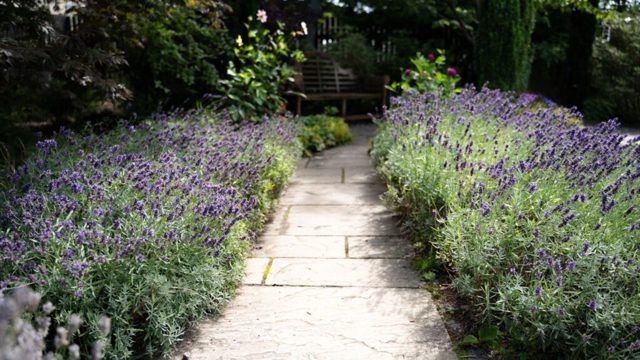





Perennials are plants that keep returning to bloom for more than two years. They have strong, deep root systems and, depending on conditions, they generally go dormant in cold weather and flower again when things warm up. Varieties include hellebores, sedum, asters, foxgloves, geums, iris, lupins, poppies and hardy geraniums.
To keep the cycle moving, there are a few important jobs to do to help them look healthy and full of vitality when they emerge again in spring.
We spoke to our gardening experts to find out what these jobs are.
Latest Videos FromIdeal Home
1. Lift and divide
‘Lift and divide any clumps that are congested or flowering less well; hardy geraniums, asters, rudbeckia, heleniums and ornamental grasses all respond well now while the soil is still warm and moist,’ advises Julian Palphramand, head of plants at British Garden Centres.
Once you’ve lifted them up, replant the divisions straight away, adds Julian. ‘Water them in, and they’ll settle before winter and come away strongly in spring.’
Hellebores are a great variety to consider; for a rich, dramatic look, check out the double Ellen red oriental hellebore, £15.99 from Gardening Express. Or, if you prefer a pinky tone, there’s Walberton’s Rosemary, from £15.99 at Crocus.
2. Deadhead and prune
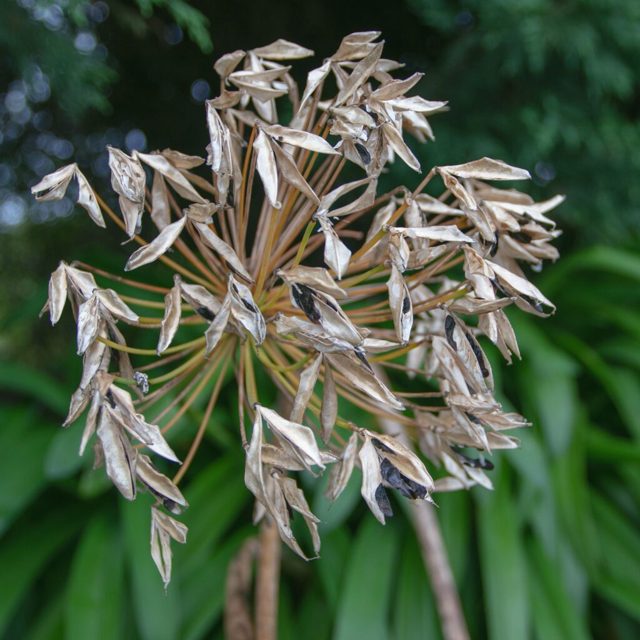
‘Deadhead anything still flowering to keep the display going, but leave seedheads and ornamental grasses standing for winter interest and wildlife,’ suggests Julian.
Richard Barker, horticultural expert and commercial director at LBS Horticulture, says pruning is worthwhile too: ‘Cut back dead plant stems to stop plants from producing seeds and instead redirect the energy into flowering the following year. Pruning will also help to remove old plant material, meaning that air and light can reach new shoots.’
Rudbeckia has been rather popular recently with its big droopy petals and bold colours. Bag some for your garden – we love the cherry brandy variety, from £9.99 at J. Parkers, or opt for the bright yellow Goldsturm variety that’s robust with its daisy-like flowers and dark centres, from £7.99 at Crocus.
Shopping essentials for perennial jobs
Jute Hessian Drawstring Bag, 60 x 70cm
Keep your lifted bulbs like dahlias in these sturdy hessian drawstring bags that will allow them to breathe and keep them free of pests.
Water Butt Kit with Tap, Diverter, Bio Cleaner, Amphora Shaped 210L, Plastic Rain Water Collector
This amphora-shaped water butt is tall and slim, so it will fit into a smaller garden perfectly. It has a simple set-up and in time you’ll be harvesting chemical-free water for your garden.
Heavy Duty Gardening Hand Trowel
This sturdy hand trowel is designed for planting, digging and transplanting. Made from carbon steel, it can cope with intense work and hard soil.
3. Improve the soil
Autumn is the perfect time to improve your soil, as it can be depleted after our heatwaves.
‘Add a layer of organic compost around your plants; this will break down over autumn and winter to add nutrients into the soil,’ says Richard. ‘Plants that are situated in richer soil survive colder months better, and can sometimes return quicker in spring.’
A good organic compost is Miracle-Gro’s performance organics peat-free multi-purpose compost, 10 litres for £5.50, B&Q.
Shop this variety at Thompson & Morgan – anemone Nemorosa, from £12.99. Plant en masse for a beautiful spring display.
4. Plant bulbs and sow seeds
‘Plant spring bulbs and early-flowering perennials such as hellebores, primroses, pulmonaria and perennial wallflowers to give you colour from late winter onwards,’ says Julian.
You can buy foxgloves now for flowering from May to the end of July next year. We like Dobies Dalamation mixed variety, from £7.99 for 6 plug plants, that will add colour and height to your borders.
Hardy annuals are perfect for seed sowing right now; varieties like larkspur, calendula and cornflowers are good to get going this month. You can currently get larkspur ‘T&M Improved’s seeds in a range of colours for 99p for a packet of 400 seeds, Thompson & Morgan.
5. Mulch
Mulching is a must-do, as Richard explains, ‘Mulching plants will stop weeds from germinating and insulate the plant roots from cold weather. The mulch will also break down over time to add nutrients to the soil.’
Lucie Bradley, gardening and greenhouse expert at Easy Garden Irrigation, agrees, ‘Over the summer months your plants will have heavily depleted the nutrients in the soil, and this will have been exacerbated by the heatwaves we have experienced which will have both sped up the breakdown of organic matter whilst at the same time stalled microbial activity which is responsible for helping convert organic matter into available nutrients.’
Adding a rich layer of mulch will release vital nutrients and minerals back into the soil ready for spring, Lucie adds. ‘It will also help to trap in any residual heat so that any bulbs you have planted or seeds that have been sown will have the perfect environment to produce healthy, strong root structures to support healthy spring growth and bountiful blooms. ‘
You can create your own mulch from your compost bin, or rotted down manure and leaves. If you’d rather buy for ease, then B&Q’s dark brown bark chippings are a good buy, £14 for 50 litres.
With September here, it’s time to follow our top tips, and you’ll be so happy when your perennials emerge in spring. To save a bit of money if you want to plant new varieties, sow some perennial seeds.
TOPICS
Read the full article here