

So much of our homes take inspiration from period features, particularly if you live in a period property itself and want to stay true to the era. But while coving and fireplaces are popular restoration projects, the Victorian cold pantry has been quietly forgotten.
Victorian cold pantries were traditional larders that kept food cool, and thus had particular design features in order to achieve this all year round. Many people strive to include a kitchen pantry idea in their cooking space, and this offers a new approach to the trend that is super practical, too.
Here’s why you should consider creating your own.
Latest Videos FromIdeal Home
A Victorian cold pantry differs from a regular pantry because it’s specifically designed to keep things cool. Larders and pantry units are great places to store dried goods, but as temperatures rise every summer, they aren’t necessarily designed with cooling in mind.
As refrigeration wasn’t around in the Victorian times, they had to resort to other methods, including the cold pantry. While this differs to our modern lives, creating dark, cool areas in our kitchen will help dried goods last for longer, too.
Walk-in style pantries align well with a cold pantry design. Sectioning off part of your kitchen to have a dedicated walk-in space, even if it’s small, allows you to keep kitchen cupboards less cluttered, and worktops clear.
So what exactly does a Victorian cold pantry include?
For starters, designing an effective cold pantry begins with ensuring it’s situated in a cool, dark area of your home. North-facing pantries will naturally keep items cooler, which is even more important in sweltering summer months.
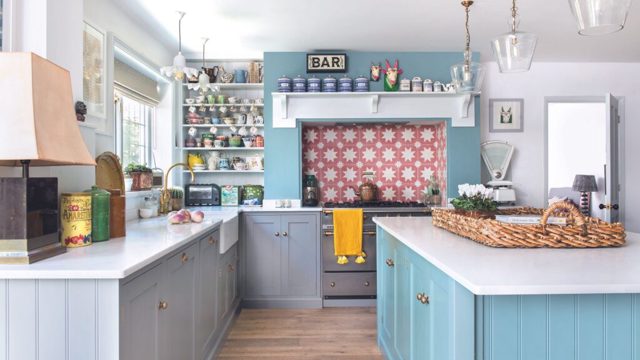
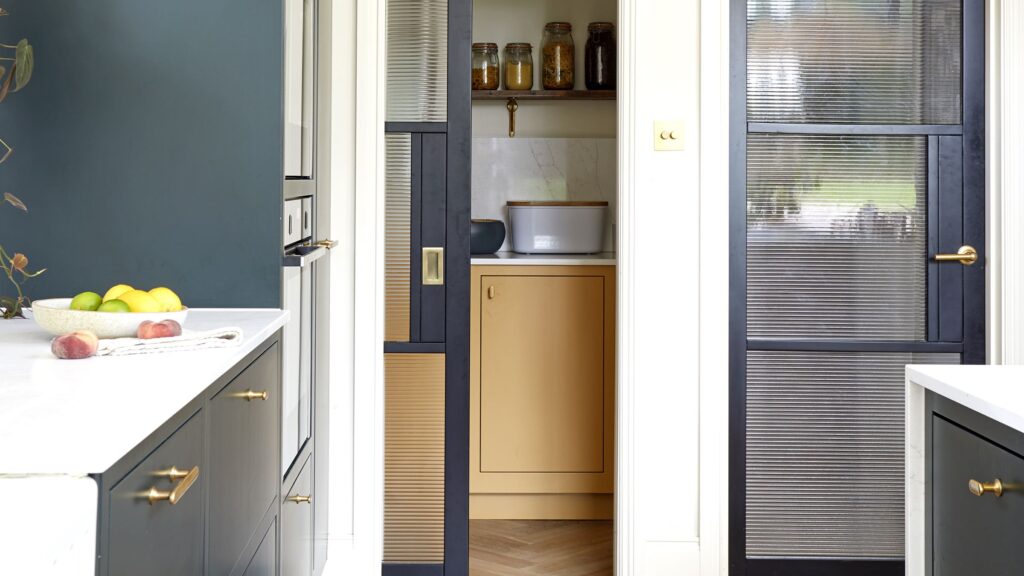
Open shelves were a popular feature of a Victorian cold pantry, and they help to create an open air flow towards the top of the room. Whether you opt for natural wood or a painted finish, the open feel also adds to the rustic, antique-inspired look, too.
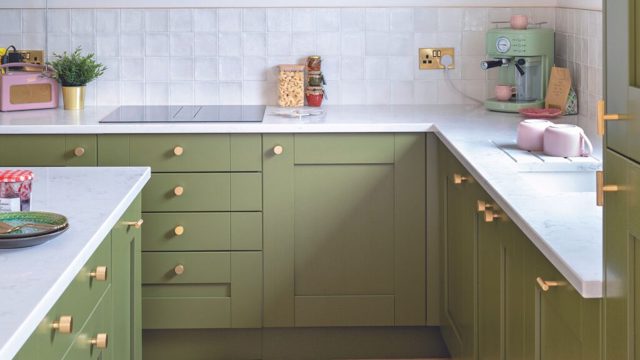
‘To recreate the charm of a Victorian pantry at home, focus on practical storage, paired with traditional materials such as natural stone worktops, often used to keep goods cold,’ explains Al Bruce, founder of Olive & Barr.
‘Open shelving is key, providing easy access to everyday essentials, while dried goods can be decanted into glass or ceramic jars,’ he adds.
Decanting your dried goods into glass jars adds to the period design, and helps you track what is running out more easily.
Stone surfaces and tiled flooring are more practical design elements that are necessary in a cold pantry. Traditionally, cold slabs were located beneath a window in a Victorian pantry to keep butter and cheese cool, but as we have fridges for this purpose now, choosing cool flooring and worktop surfaces will benefit the temperature of the entire room instead.
And of course, the finishing touches are important, too. In 2026, pantries have become somewhat of a status symbol, so consider small accessories that add to the overall look of the space. This will help to make it feel like an extension of your kitchen.
‘Wicker baskets are ideal for adding extra storage as well as visual texture and interest, while natural linens and soft textiles bring warmth through layering,’ Al adds.
Shop pantry accessories
Nesting Wood Crates with Handles
These crates are perfect for storing snacks or an extra backlog of baking ingredients.
Nelko Label Maker Machine with Tape
There will be no forgetting which flour is which with this label maker.
Oxo Pop Cereal Box Storage Container
These cereal containers have a handy pop top which keeps food fresh and makes it easy to decant.
September is the perfect time to reorganise your cooking space. These small kitchen storage ideas will help you declutter for the new season.
If you enjoyed reading this, sign up for the Ideal Home newsletter for all the latest home decor trends and inspiration delivered straight to your inbox
Read the full article here