







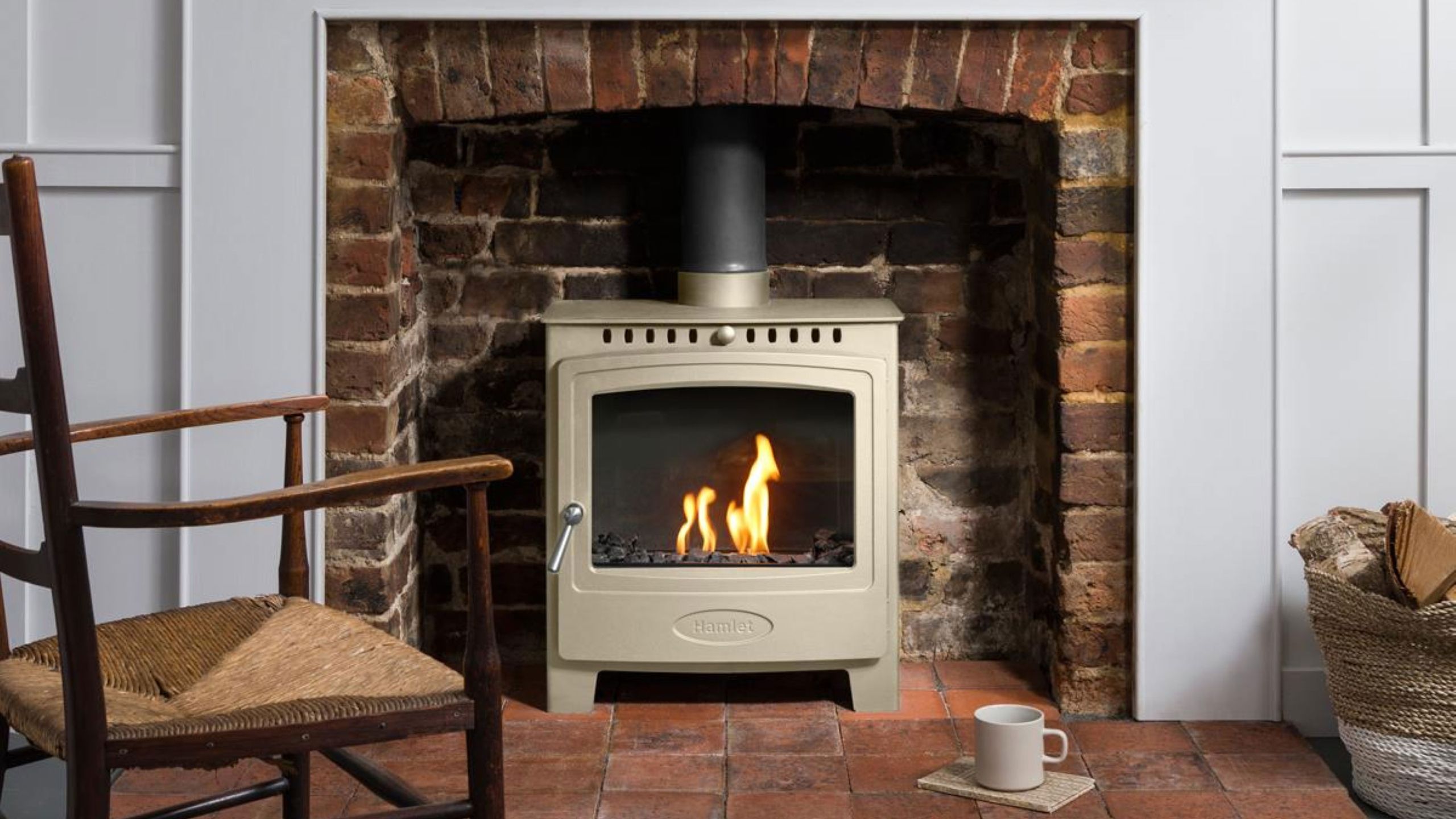
Log burner getting too hot, too cold, not lighting properly? We take a look at the most common stove problems and explain how to fix them
Your log burning stove troubleshooting guide – experts reveal the top 5 problems they come across and how to put them right
There is no denying the character and charm log burning stoves can instantly bring to a room, not to mention how effective they are at heating all kinds of spaces – but that isn’t to say there aren’t a few log burning stove problems that tend to crop up on a regular basis, no matter how much research you put into choosing the right model for you.
Article continues below
Thankfully these issues are usually simple to resolve once you get to the bottom of why they are occurring – and that’s where my troubleshooting guide comes in. I spoke to the experts to find out the most common problems they encounter with log burning stoves, why they happen and what to do about them.
From smoke escaping into the room to a fire that won’t light properly, don’t let these niggles ruin your enjoyment of your log burner – this expert-approved advice will put them right fast.
1. Smoke that won’t go up the chimney
Noticed an accumulation of smoke building up inside your stove? According to Jon Butterworth, director at Arada, this happens all too often.
‘One of the main problems people experience is smoke not drawing properly up the chimney. In almost every case, this comes down to the flue system rather than the stove,’ explains Jon. ‘Making sure your appliance is installed by a qualified professional, with the correct flue size and adequate room ventilation, will ensure it performs efficiently from day one.’
Another cause can be a blockage or build up of soot inside your flue or chimney.
‘Routine care makes all the difference,’ advises Jon. ‘An annual chimney sweep and occasional check of seals and internal components will keep your stove safe, efficient and ready to enjoy for years to come.’
2. The fire keeps going out
Lighting a log burner is usually not too difficult providing you arm yourself with the right materials and tools – kindling, the right firewood and, if you choose, firelighter. You should also leave the vents open for maximum airflow and then ensure the door is a little ajar while it gets going. However, whether you favour the traditional way of lighting a fire or prefer the ‘top-down’ method, in some cases the usual methods just won’t work. There is a common reason for this – you’re using the wrong wood for your log burner.
‘A frequent issue is difficulty lighting or keeping the fire going,’ reveals Jon Butterworth. ‘This is usually caused by burning wood that isn’t properly seasoned. Always use kiln-dried or well-seasoned logs with a moisture content below 20%.’
Joanna Humphreys, fire and stove specialist at Direct Stoves agrees. ‘You should only burn kiln-dried or well-seasoned wood with less than 20% moisture content. Both hardwood and softwood will work well if the moisture content is low enough,’ says Joanna. ‘If you are unsure of the moisture content, or if you are drying your own wood, you can use a moisture meter to check. We always recommend avoiding woods with a high sap content as they do not burn well.’
If you’re unsure of the moisture content of your firewood, this handy little meter will come in useful. It is easy to read and offers precise measurements.
3. The glass keeps turning black quickly
After several uses, the glass in the doors of your log burner is bound to start to look a little dirty and, over time, may form a black film. While cleaning log burner glass is easy to do if you keep on top of it, stove doors that get dirty quickly are a pain – plus they obscure the view of those lovely flickering flames. This problem could all be down to the way you are using your stove.
‘If the glass becomes blackened quickly, it’s often a sign the stove is being run too cool,’ explains Jon Butterworth. However, there is another reason this can happen too and, yet again, it comes down to the wood you are burning.
‘Burning dry, well-seasoned logs with the right moisture content and allowing the stove to reach its ideal temperature will keep the glass clearer and the burn cleaner,’ says Jon.
4. The room it’s in is getting too hot
One of the things I wish I’d known before installing my log burner, which sits in the heart of my open plan kitchen, dining room and snug, is just how hot it would get. While its heat can be very welcome on a cold winter’s day, when sitting in the dining area, things can get a little too toasty.
If you are finding that your log burner is producing too much heat for the space it is located in, the most likely cause is that its heat output is too high for the size of your room.
Ideally you would have had sound advice from a HETAS Registered Installer but if you didn’t or you bought your house with the stove already in place, there are a few steps you can take to ease the issue. Try leaving doors from the room it is in open so that the heat can disperse throughout the house, or consider investing in a stove fan which does a similar thing.
Shop stove fans
NETTA 4 Blade Woodburner Stove Fan
This 4-blade stove fan is almost silent to run so you can enjoy its heat distribution benefits without any annoying humming noises. Its compact size makes it suitable for stoves with limited space around them too.
VonHaus Stove Fan with 6 Blades
This double stove fan features a total of six blades which are capable of creating an air flow of 200CFM. Despite its powerful action it is quiet to run and the addition of a useful carry handle makes it easy to position.
6-Blade Stove Fan for Log Burner
This 6-blade stove fan come with rave reviews thanks to its ability to give a really broad spread of heat, near silent operation and its smart design. As an added bonus, it comes complete with a magnetic thermometer.
5. Your log burner is not giving out enough heat
There are two potential reasons why your stove might not be giving out enough heat. The first lies in its heat output – it could be undersized for the space it is being used in. However, if you are confident that you specified the right size log burner for your home, your firewood could be to blame.
‘Wet wood creates more smoke, less heat and more build-up inside the stove,’ explains Jon Butterworth.
‘Hardwoods tend to burn hotter and longer, whereas softwoods, although they burn hot, tend to burn out slightly faster,’ adds Joanna Humphreys. ‘When shopping for wood, look for the Woodsure Ready To Burn logo. This will offer peace of mind that the wood you’re purchasing is ready to burn safely in your log burner.’
FAQs
Can I still have a log burner without a chimney?
The good news here is that even if your home doesn’t have a chimney, you can still install a log burning stove in order to realise your log burner ideas.
‘Not every home comes with a pre-existing chimney, but that shouldn’t get in the way of your plans. Many modern solutions allow for wood-burning stove installation in spaces without traditional chimneys,’ says Joanna Humphreys. ‘A twin-wall flue system is the preferred solution for installing a wood-burning stove in a home without a chimney. Essentially, this system acts as an artificial chimney, providing a safe exit for the smoke and fumes. Twin-wall flues typically consist of two concentric metal tubes with insulation between them. They can run either through the home or externally along the outside.
‘When deciding on the flue route, there are two options: an internal or an external system,’ continues Joanna. ‘An internal system runs through the home, typically via a room or loft, and exits through the roof. It’s slightly more efficient for heat retention but requires more internal work.
‘With an external system, the flue runs outside the building, which typically makes installation easier and causes less disruption to the home interior,’ adds Joanna. ‘Another option is to build a faux chimney; it can enhance the aesthetic appeal of your wood-burning stove by creating a characterful setting, ideal for rooms without an original chimney structure. Not only does it create a focal point, but it can be used to cleverly hide the flue system.’
One of the most important things to do before installing a wood burning stove is to ensure you understand the log burner building regulations. These are there not only to ensure that installation is carried out safely, but also mean that your stove should operate at peak performance.
Read the full article here


