

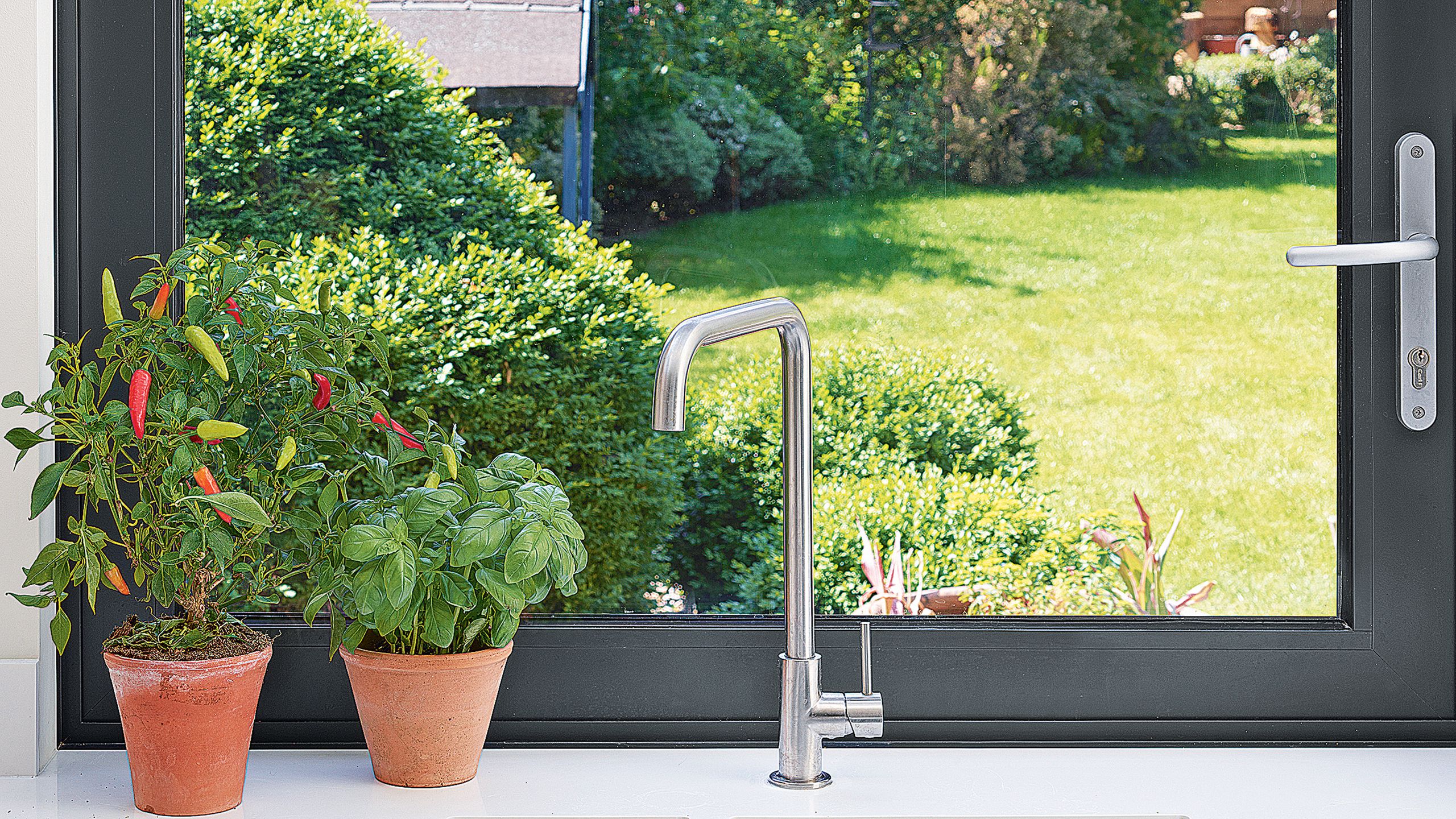
Chillies are one of my all-time favourite crops to grow. I had brilliant luck growing my first ever chilli pepper plant indoors, and it was so rewarding to watch the fruits form. Choosing the best soil for chillies, though, can mean an even better yield.
Gardeners more commonly grow chillies in pots, which gives them total control over the soil they use. Chilli peppers adore free-draining soil – but other potting mix features can lead to a more fruitful harvest, too.
To find out what those are, I spoke to a few garden and chilli experts, including the director of South Devon Chilli Farm, Amrit Madhoo. Below, you’ll find notes on the ideal compost, temperature and soil pH for chillies – and the compost I have the best luck with.
What you’ll need
Johnsons
Johnsons Pepper (Hot) ‘Anaheim’ Seeds
Chilli pepper ‘Anaheim’ is one of my favourites varieties. The fruits are only mildly spicy, but packed full of flavour.
Dalefoot
Dalefoot Peat Free Wool Compost for Seeds
I always sow chilli seeds into this compost. It’s peat-free, and contains plenty of nutrients.
Westland
Gro-Sure Perlite
Perlite is brilliant at improving soil drainage and aeration and promoting healthy root growth.
1. Drainage is key
February is the ideal time to plant chilli seeds – it’ll give your plants a longer growing season, and the fruits more time to mature.
Success always starts with the soil, though. According to Amrit, there’s no one specific compost that will lead to a better crop – it’s more about the features of the potting mix.
‘There is no perfect ready mix you can buy off the shelf, and to be honest, there is nothing particular about a chilli compost other than the fact that it needs to be free-draining and have a lot of organic matter,’ he said.
Drainage is key for chillies, because soggy soil can spell disaster for the plants. Amrit says you can use any multi-purpose compost, but peat-free compost is often favoured.
I can vouch for that – I’ve always grown chillies in peat-free compost, and they thrive every time. I always start with Dalefoot Wool Compost for Seeds, which you can buy from Amazon, and then transplant the young plants into Dalefoot Peat-Free Wool Compost for Potting, which is available at Crocus.
Both contain wool, which holds more moisture in the soil. That sounds counter-productive for chillies, but it actually means that I end up watering my plants less than I would using other composts.
‘By its very nature, peat-free compost is more free-draining than traditional peat-based compost,’ Amrit said.
You can go for other cheaper peat-free composts, too – Miracle-Gro Premium Peat Free All-Purpose Compost with Organic Plant Food is highly rated on Amazon, for example – and if you ever find the compost is too heavy, Amrit says you can mix in some perlite to loosen it up a bit. You can buy Westland Gro-Sure Perlite from Amazon, too.
You’ll also need to make sure the pot has plenty of drainage holes, because even the most free-draining soil in the world will sit waterlogged if there’s nowhere for the water to go!
2. Make sure the soil is warm enough
Nutrient-rich soil is crucial to a chilli plant’s success – but according to YouTube sensation and grow-your-own expert, Huw Richards (who has partnered with watering and hand tools brand, GARDENA), warm soil matters even more than rich soil.
‘This is one of the most overlooked factors when growing chillies,’ he says. ‘Even the most nutrient-dense soil won’t perform if it’s cold. Chillies are warmth-loving plants, and their roots simply don’t function well in cool conditions.’
That’s why I always grow my chilli plants indoors, only moving them outside once we’ve entered the scorching hot days of summer. Even then, Amrit says you don’t need to move the plants outside – especially if you go for a compact variety like Chilli Pepper ‘Prairie Fire’ (you can buy the seeds from Thompson & Morgan), which grows brilliantly on a windowsill.
‘A slightly poorer but warm soil will outperform a rich but cold one every time,’ Huw continues. ‘This is one reason containers and greenhouses work so well for chillies – they warm up far faster than open ground.’
A heated propagator is ideal for encouraging germination and starting seedlings off strong. The Garland Super 7 Propagator, which you can buy from B&Q, carries one of the highest ratings.
Does soil pH matter?
Soil pH testing kits (which you can order from Amazon) offer valuable insight into the acidity of your soil. For chillies, you’ll want to aim for a balanced pH.
‘Chillies prefer slightly acidic to neutral soil, but this is rarely something I obsess over too much,’ says Huw. ‘Most garden soils naturally fall into this range once organic matter is added regularly because compost gently buffers the soil, making nutrients more available and improving overall plant health.’
Soil conditions and temperature, then, are the most important factors when it comes to figuring out the best soil for chillies. Make sure it’s free-draining, rich in organic matter and warm, and your peppers should thrive this year.
Read the full article here