

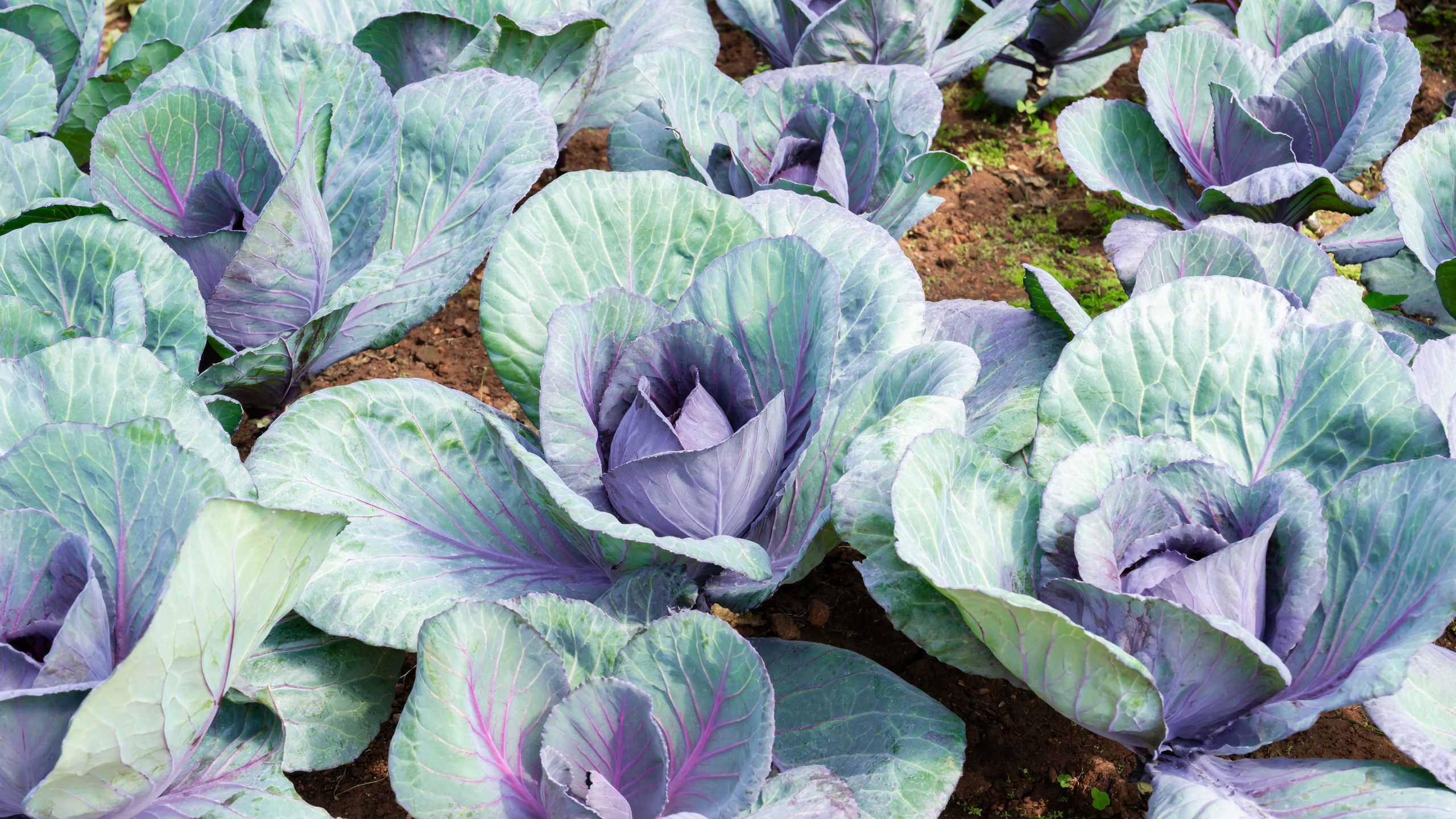
Step aside, peonies, hydrangeas and roses, there is a new chic ‘it’ plant on everyone’s mind for 2026, and it is, of course, the humble cabbage.
Not only is it a brassica you can sow indoors in February, but ‘Cabbage Crush’ has also been named as a key home decor trend in the annual Pinterest Predicts report. Already making waves in the fashion and culinary world, we’re now seeing the cabbage craze spill over into our homes and gardens – and we’re so here for it!
If you’ve been thinking about growing cabbage this year, take this as your sign to do it. With big, showy flowers, stunning colourways and, of course, nutritious to boot, here’s why I think cabbage deserves to be the ‘it’ plant of 2026.
Why are cabbages trending?
This cabbage obsession, so to speak, hasn’t arrived out of the blue. Cabbage motifs have been appearing on the runway since last year (even Vogue is calling it chic), and of course, we also saw a huge cabbageware revival last year, too.
Step into any trendy restaurant these days and cabbage will have been rearranged into some expensive small plate, and my personal favourite piece of cabbage pop culture – the internet darling, Gerald Stratford, whose love of growing cabbages, and dedication to wearing his Alexander McQueen cabbage fleece has made him cabbage’s very own PR poster boy. My point is, there is an appetite for cabbages, with influencers like Gerald proving they can make your garden look stunning.
‘They’re actually very beautiful plants and relatively easy to grow, which makes them ideal as ‘edimentals’ (aka edible ornamentals),’ says Kate Cotterill at heirloom seed company, She Grows Veg.
‘The tight heads, spiralled leaf patterns and waxy blues, greens and purples look incredible in mixed borders, raised beds and big containers, especially when you tuck them in among florals. They give structure like a small shrub, work with cottage‑garden and modern styles, and look good for months rather than weeks. Because they’re robust and tolerant of cooler weather, they’re also reliable performers for people who aren’t expert gardeners.’
Not only do they look good, but cabbage’s popularity is also spiking due to its ability to make us feel good, too.
‘Their current popularity is likely driven by a mix of social media and a renewed appreciation for this humble yet incredibly versatile vegetable. Cabbages have a long history of supporting gut health when fermented into sauerkraut or kimchi, something that’s easy to do at home. They’re inexpensive, have an excellent shelf life, and can be transformed into countless dishes, which makes them both practical and appealing,’ says Christina Glyn-Woods, head gardener at The Story of Emily.
Why you should consider growing cabbages
Besides the obvious edible elements, cabbage also makes beautiful, showy plants to display in a garden. You can even opt for ornamental cabbages (£3 at B&Q) for a stunning and colourful display.
‘Because they’re so bold and distinctive, they work better as accent plants than fillers. That said, gardening should always allow room for creativity. I like to plant them in repeating groups of three or five, which helps visually link different areas of a garden and creates a strong design rhythm,’ says Christina.
Plus, cabbage is a relatively easy plant to grow and take care of, making it a great choice for any gardener, too.
‘They are fairly low‑maintenance and easy to care for. They prefer a fertile, well‑drained soil and consistent moisture, plus full sun or very light shade. The main tasks are simple: water in dry spells, use an organic feed if your soil is poor, and protect them from the usual brassica pests such as slugs and cabbage white butterflies (butterfly netting and organic slug control are what you need). Once established, they are tough, especially in cooler weather, and will sit looking good for a long season,’ explains Kate.
‘Ornamental cabbages are cool‑season plants, so you usually sow them in late spring to early summer, grow them on through summer, then plant them out for their best show in autumn and winter as the cold intensifies their colours.
‘You don’t normally sow them in the coldest part of winter, but you can plant out ready‑grown ornamental cabbages from plugs or pots at this time if you can get them, dropping them straight into containers or borders for instant impact. If you’re planning from scratch, think of seed sowing as a late spring job so that by next autumn and winter your garden is already full of beautifully chic cabbages.’
Where to buy cabbage
I’m calling it, cabbages are cool. Period.
Read the full article here