






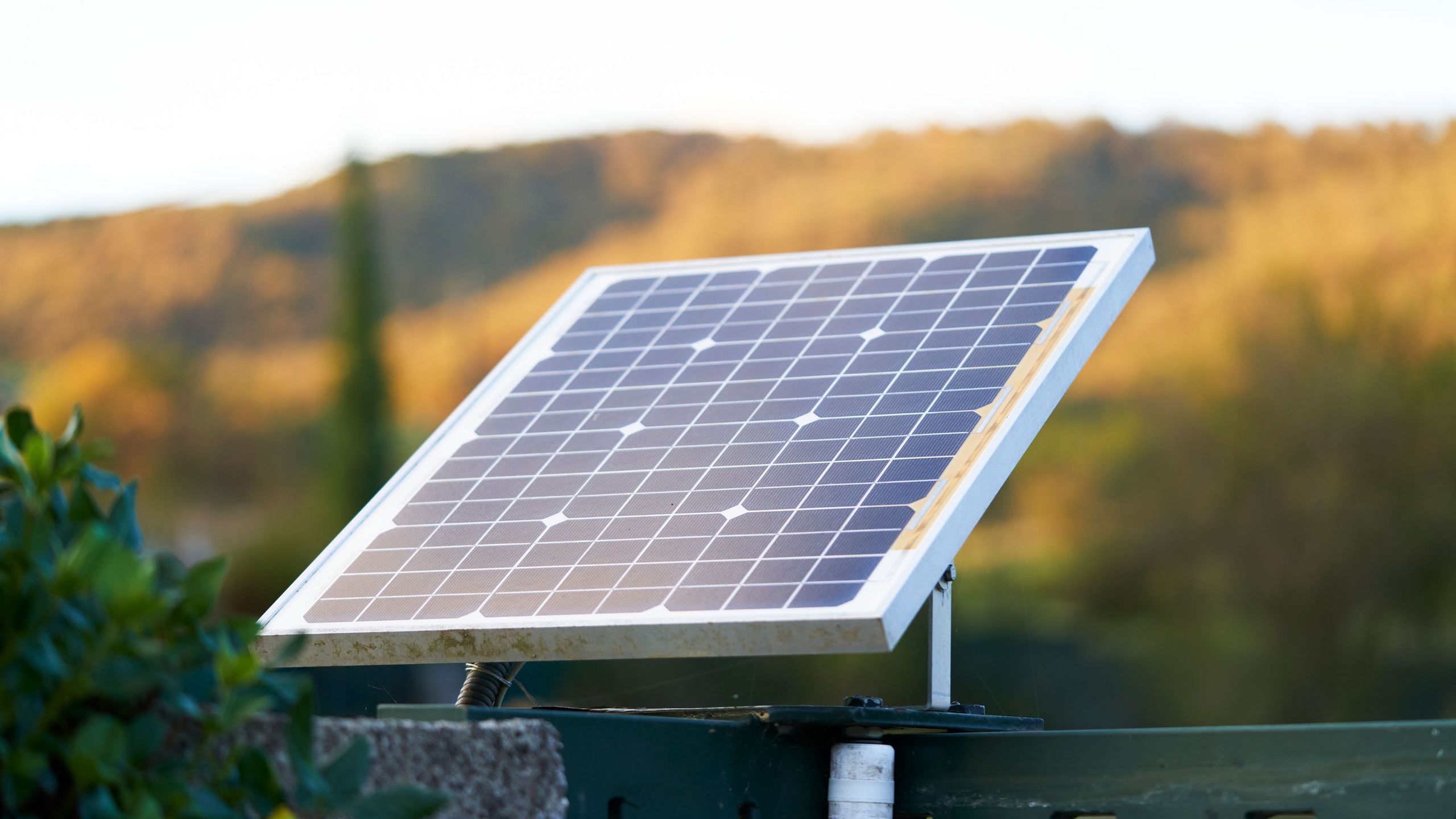
The Government has announced that ‘plug-in’ solar panels could be available in shops within months, as they step up their efforts to help household to cut their energy bills.
The announcement came last week (23rd March) alongside new rules to make solar panels and clean heating standard in new homes. The ”plug-in’ solar panels are directed at current homeowners as an affordable alternative to installing solar panels.
Solar panel installation can be a huge expense, with brands such as E.ON Next quoting £4,995 as the starting rate for a small solar system. ‘Plug-in’ solar panels, in contrast, are easy-to-install alternatives that can be plugged into an ordinary plug and mounted on fences or balconies.
Article continues below
These ‘plug-in’ solar panels are already widely used in households across Europe. In Germany, they are commonplace, with half a million new devices plugged in per year. They involve no installation cost as they are simply plugged into a household socket, and then the free solar power can be used directly through a mains socket like any other device.
Current UK regulations prohibit this type of solar panel from being plugged into household sockets. But the government has said it is working with retailers like Lidl and Iceland, alongside manufacturers such as EcoFlow, to change this and make them available to the UK market.
Georgina Hall, Corporate Affairs Director at Lidl GB, said: ‘At Lidl GB, we are committed to making sustainable living affordable for everyone, and we welcome the government’s move to modernise regulations in the UK. Updating the regulatory landscape for this ‘plug-and-play’ technology is a positive step towards empowering British households to manage their energy costs and support the nation’s net-zero ambitions.
‘Cutting red tape on plug-in solar is an encouraging move, and we will help ensure it works alongside, or as part of, whole-home solutions that genuinely empower people to take control of their energy use and cut bills,’ Chris Norbury, Chief Executive of E.ON UK, added.
The i Paper has reported that Sainsbury’s, Currys and John Lewis are some of the other companies considering supplying the panels in stores if regulations change. The plug-in panels cost around £400, and the Government estimates a typical UK home could save £70 to £110 a year on their energy bills with one, so they should pay for themselves in about 4 years.
While they are more affordable than the cost of a standard solar panel system, they also produce less energy as they’re significantly smaller. The positioning of the panel is also important to ensure it’s getting the maximum amount of daylight to work efficiently.
Energy Secretary Ed Miliband said of the new rules implementing the future homes standards building regulations: ‘The Iran War has once again shown our drive for clean power is essential for our energy security, so we can escape the grip of fossil fuel markets we don’t control.’
‘Whether through solar panels fitted as standard on new homes or making it possible for people to purchase plug-in solar in shops, we are determined to roll out clean power so we can give our country energy sovereignty.’
So if you’ve been considering solar panels, but couldn’t afford the installation, in a few months, a cheaper alternative could be landing in the middle of Lidl.
Hiluckey
Solar Charger 26800mah Power Bank
In the meantime, if you want to bypass your mains to charge your phone or tablet, this solar charger is a bestseller on Amazon with 1000s of 5-star reviews.
Read the full article here


