







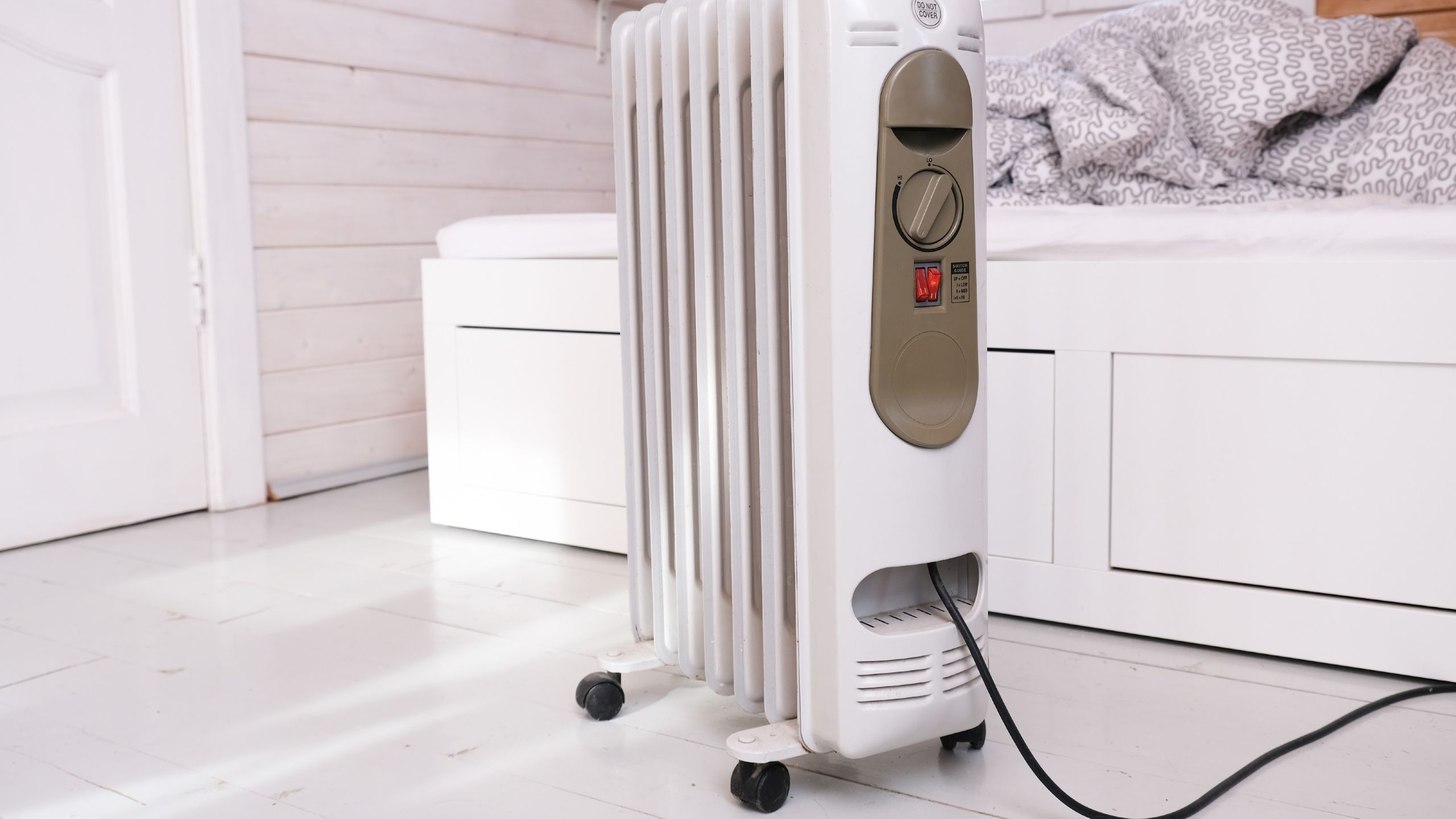
On a relatively mild winter’s day, like we have seen recently, you might feel like you don’t need your central heating on all day, but it’s not quite warm enough to turn it off either.
That’s where one of the best oil-filled radiators can come in handy. But while these devices use electricity to generate the heat, rather than gas like most central heating systems, which is the more expensive of the two, it pays to know how to use your oil-filled radiator efficiently. That means more heat for less money.
1. Choose a suitably sized oil-filled radiator
If you don’t yet have one, then there’s plenty to think about before you buy an oil-filled radiator and it’s important you choose one designed to heat the room you want to use it in.
Get one that’s not powerful enough and it’ll work harder and use more electricity to heat the space, and you’ll likely have it on longer than you need to in order to warm yourself up. Choose one that’s too powerful and you’ll be using far more energy than you need to every time you use it. Both of which will drastically increase the cost to run your oil-filled radiator, which no-one wants.
Think too about how quickly you want it to heat up and cool down. If you want more instant heat and a quick cool down, then you may be better off with one of the best electric heaters instead.
De’Longhi
De’longhi Trns0505m Oil Filled Radiator – White
Suitable for smaller rooms up to 15m3, this oil-filled radiator has a 500W output which makes it cheaper to run than an 2500W alternative model that would be better suited to larger spaces.
2. Put it in the right place
If you want your oil-filled radiator to deliver the best heat output for the lowest price, you need to position it properly, and avoid the worst places to put electric heaters in general. For it to work most efficiently, you’ll need to use it in a well-insulated room, keeping it away from any draughts and furniture. Ideally, you’ll also want it to sit away from the wall so you don’t block any of the heat it gives off.
It’s worth taking the time to seal any draughts around windows and doors, using the products below, and make sure windows and internal doors are closed when you want to use it.
Draught Excluder Tape for Door Window
Sealing up draughts around your windows is definitely something you can tackle yourself and the good news is, it’s easy and inexpensive. This draught excluder tape is less than £5 and will get the job done.
Wynter Thermal Eyelet Curtains
If you’re trying to ward off chilly evenings with your oil-filled radiator, then make sure you’ve got some thermal curtains, like these from Dunelm, in place to help keep the heat in and the cold out.
John Lewis Diamonds Draught Excluder With Leather Strap, Navy
Keep the heat in the room your in by blocking draughts under internal doors leading to other spaces. This John Lewis draught excluder looks modern and stylish as well as being functional.
3. Complement your existing heating
Substituting your central heating entirely with an electric heater or oil-filled radiator is not a cost-effective idea, but using a plug-in heater to complement your existing central heating can be, and it’s something I’ve done for years.
As I work from home, I definitely don’t want my central heating on all day and evening, especially when a lot of my day is spent in just one room. That means I’ve had to hone multiple methods over the years to keep warm while working, without sending my bills skyrocketing.
‘While oil-filled radiators are extremely energy-efficient and can maintain warmth for extended periods, leaving one on continuously is generally not the most cost-effective approach,’ says Stephen Hankinson, heating expert at Electric Radiators Direct. ‘It’s best to set a heating schedule that matches your lifestyle and individual routine, so your heating only ever comes on when you need it.’
Pro Breeze Oil Filled Radiator With 11 Fins
Want to buy an oil-filled radiator? Our top pick of the best oil-filled radiators you can buy, this model offers three different power settings and a timer to help you use it most efficiently.
4. Make use of additional features
Depending on the age of your oil-filled radiator you might have some additional features that can help you reduce how much energy it uses, making it much more efficient. These might be open-window detection, eco modes or app controls that allow you to create schedules or set timers to ensure you aren’t using it more than you need to.
‘Look for heaters with thermostat control,’ advises a spokesperson from De’Longhi. ‘These devices automatically stop drawing power once your desired temperature is reached and only resume when the temperature drops. This prevents over-heating a room and saves significant electricity.’
De’Longhi Dragon 4 Trd41025t Oil Filled Radiator – White
The room thermostat on this oil-filled radiator can automatically regulate to your desired temperature, reducing unnecessary energy consumption.
5. Use it slow and steady
By nature, oil-filled radiators take a bit longer to warm up than electric heaters, so whacking the temperature and power setting up to the max in a bid to warm it up quicker will use a lot more energy than you need to.
Once you know how long your oil-filled radiator takes to get to temperature, this is where using any timer or WiFi controls can come in handy to keep your energy usage under control. Turn it on remotely and give it a bit of time to warm up slow and steady before you need it.
FAQs
Is it cheaper to leave an oil-filled radiator on all the time?
Sadly it’s not cheaper to leave your oil-filled radiator on all the time, or to use an oil-filled radiator overnight. In fact, this will quickly become an expensive way to use this electric-powered appliance. Also, if you need it on all the time, that’s a sign that your home’s insulation needs addressing, or you have unresolved draughts, and that means that the heat you are generating is probably escaping your home just as fast.
Instead, its best to use the oil-filled radiator for an extra blast of heat as and when you need it, rather than heating your whole house with central heating if you don’t need to.
Read the full article here


