

Do you struggle to know what to plant in your garden and often feel like it looks a little chaotic?
The 70/30 rule might just be the key garden idea to transform yours into one that looks wonderful all year round, is sustainable and promotes biodiversity.
Tim Clapp, head of range and a qualified botanist at Verve, explains, ‘The “70/30 planting rule” is a simple garden design principle that helps customers create gardens that are visually balanced, easier to maintain and attractive throughout the year. The concept is quite straightforward – 70% of the planting forms the permanent backbone of the garden, and the 30% provides seasonal colour, interest and change.’
We look into how this divide works and how to make it work in our gardens.
How does the 70/30 rule work in garden design?
Tim says the 70/30 planting rule works in much the same way as it does in interior design. ‘Around 70% of the garden should be the equivalent of the walls, flooring, kitchen units or sofa within a home. These are the long-term structural elements that provide shape, consistency and style throughout the year.’
Whereas the 30% is your ‘accessories’ and ‘accents’ and consists of seasonal plants that have texture and colour.
Why should we adopt this method? ‘The 70/30 planting rule is a design principle used by landscapers that divides your garden space to create balance and reduce the amount of maintenance that it needs,’ says Richard Barker, horticultural expert and commercial director at LBS Horticulture.
How to create the 70%
The 70% is your core, those plants that are there to stay and are long-termers.
Richard explains, ‘When creating the ‘backbone’ of a garden, choose plants that are known to thrive in the soil type and climate of your garden. These plants should be used to form the reliable structure of your garden, such as shrubs, perennials and ornamental grasses. Assess the light, water and soil needs of each plant, as it is better to include resilient plants over those that provide multi-season interest.’
By establishing a strong planting framework first, you can then layer in seasonal flowers and colour with confidence, creating gardens that feel more balanced, professionally designed and attractive across every season,’ says Tim.
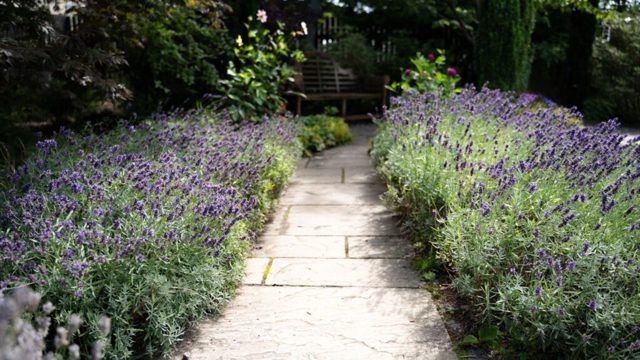
So what does the 70% consist of? ‘Things like evergreen shrubs, hardy perennials, ornamental grasses and other reliable long-lasting plants chosen for their form, foliage, texture and resilience rather than short-term flower impact alone,’ suggests Tim.
‘I like box, pittosporum, skimmia, sarcococca, viburnum, choisya, hebes and mahonia, along with grasses such as stipa, miscanthus and pennisetum,’ says Julian Palphramand, head of plants at British Garden Centres.
According to Tim, these foundation plants will provide year-round structure, texture and foliage interest, repetition and rhythm, visual calm and cohesion and lower long-term maintenance.
One thing worth considering, though, is how these may grow over time. Richard explains, ‘When choosing plants, think carefully about how tall or wide they will grow to become over time. Some plants can look attractive when they are small, but may grow to be woody or scraggly over time. Repeat bloomers will ensure that your garden has colour each year, and ensure year-round interest by choosing flowers that bloom at different times.’
A good buy for this section would be Viburnum tinus Lisa Rose in bud and bloom, £39.97, Gardening Express. It’s a hardy evergreen that adds interest even during the winter months. We also like the Rubella skimmia japonica, £12.99 for a 9cm pot, Crocus. The red flower buds give you colour from autumn and turn into white blooms in spring.
How to create the 30%
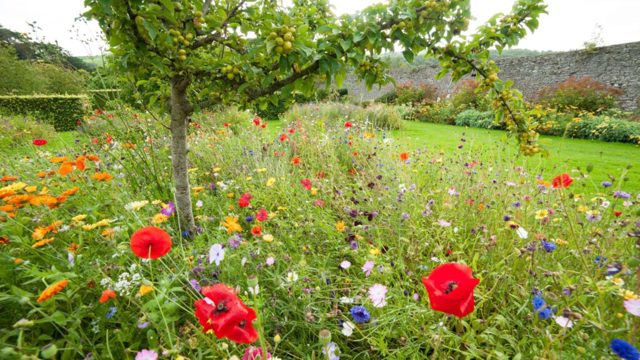
For the brighter 30%, you can really go to town, ‘I’d look at plants like salvias, hardy geraniums, heucheras, rudbeckias, dahlias, fuchsias, agapanthus, crocosmia, verbena, lavender, echinacea, asters, tulips, crocus and alliums, plus bedding plants to keep the display changing through the seasons,’ suggests Julian.
Richard says this is the time to experiment with plants, ‘Consider seasonal bulbs, flashy annuals or any new plants that you want to try growing without ruining the overall appearance of your garden. Scatter accent plants individually, or plant them in smaller drifts amongst foundational plants.’
According to Tim, it’s important to use this 30% to create flowering highlights and pollinator-friendly plants. ‘This is the time to add trend-led plants that will add variety and excitement.’
We love Verbena bonariensis for this, £7.99 for a 9cm pot from Crocus, it’s striking in colour and structure and will add vibrancy to your 30% layer. For another punchy colour addition, consider Rudbeckia Cherry Brandy, £7.99, Gardening Express. The colour will last through summer and into autumn, and this variety loves full sun.
Consider your plant placement
It’s vital that you consider your plant placement when you’re adopting the 70/30 method, or it simply won’t work or look right.
‘When choosing where to position each plant, think about layering heights,’ advises Richard. ‘Low-growing plants work best placed near paths or social spaces, and then increase plant size as you move backwards towards fences and walls.’
With the main rule of thumb of having two distinctive height layers, adding more is always advantageous. ‘Using three or four can make your garden look fuller and richer, and repetition is important too, such as using similar species or colours in each part of your garden. For a cohesive look, repeat colours, textures and shapes, even when experimenting with accent plants.’
How to use it when buying plants
Panicum Virgatum Northwind, Switch Grass
This grass is great for your 70% layer as it’s a beautiful variety in a blue green shade that turns yellowy orange in the autumn. It will add texture and diversity to your garden.
Cosmos Sensation Mix, 6 Plug Plants
Cosmos are a good middle 30% layer as they can add height as well as colour to your scheme. This mix of plug plants will add a lovely display to your borders.
Pansy Matrix Mixed Garden Plants, Pack of 24
For your lowest 30% layer consider pansies. They’re full of joyful colour and this pack of 24 plug plants will give your borders an absolutely vibrant look.
This 70/30 landscaping rule can really work well in pretty much any-sized garden. It’s about getting the proportions of the varieties correct – follow our guide, and you’ll see your space transform!
TOPICS
Read the full article here