



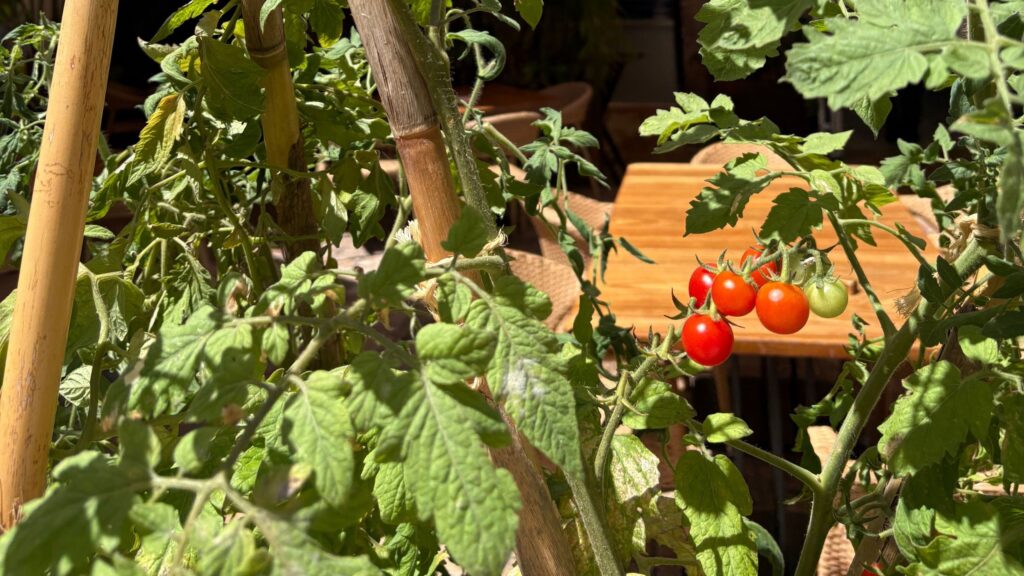
If your tomato plants look anything like mine do right now, they’re probably in need of a lot of TLC. Thankfully, there’s still hope for your hard-grown toms – and there are a few expert-approved ways to revive your tomato plants.
Growing your own tomatoes takes a bit of work if you want to keep them happily producing fruit, but what if your plants are looking worn and wilted? It’s easy to consider them write-offs, especially when we’re nearing the end of summer – but there might be more life in them than you think.
Of course, you’ll need to learn how to revive tomato plants if you want them to bounce back. Here’s how to do it.
Latest Videos FromIdeal Home
Envii
Maximato Liquid Tomato Feed Fertiliser
This organic Amazon’s Choice fertiliser boosts growth and fruiting.
Levington
Tomorite Concentrated Tomato Food, 1L
Levington Tomorite has long been a bestselling classic tomato fertiliser.
Kent & Stowe
Garden Life Snips
A comfortable pair of snips to trim away dead growth.
1. Check your watering schedule
First things first, you’ll need to make sure you’re watering your tomato plants properly. Over- or under-watering are among the most common tomato mistakes, and incorrect watering really can deal your plants a lot of damage.
‘Tomatoes need consistent moisture, particularly in warm weather,’ says Ross Dyke, horticulturist, founder of Get Children Growing, and host of The Plant Pod. ‘Water deeply when the compost or soil starts to dry, ideally at the base of the plant rather than over the leaves. Avoid repeatedly letting it become bone dry and then soaking it, this will only stress the plant out.’
Since hosepipe bans are in place across many parts of the country, it’s wise to invest in a sturdy watering can like the 10L Ward Watering Can from Argos, which you can fill up directly from an outside tap.
Just don’t let your soil sit soggy, since that can damage the plant’s health as much as underwatering can.
2. Remove dead or damaged leaves
One of my tomato plants is covered in dead leaves (the heat has certainly gotten the better of it). According to experts, it’s best to get rid of them as soon as you can if you want to revive them.
‘Whilst your tomato plants are trying to cope by dropping their lower leaves, you can help them by cutting away the yellowing leaves, as they will not recover,’ says Lucie Bradley, gardening and greenhouse expert at Easy Garden Irrigation.
‘By removing them, you are allowing the plant to direct its energy into growth elsewhere and fruit production.’
You should always use a clean, sharp pair of snips like these Kent & Stowe Garden Life Snips from B&Q to trim your tomato plants.
Of course, there are lots of other reasons a tomato plant’s leaves can turn yellow – so it’s best to address those at the source to help your plant recover.
3. Prioritise existing fruit
My plants are a bit of a contradiction to look at – they’re half-dead, but peppered with ripe and growing tomatoes. According to Ross, you should aim to prioritise those fruits when you’re reviving your tomato plants this month.
‘Later in the season, the aim isn’t necessarily to produce lots of new growth,’ he explains. ‘Concentrate the plant’s energy on ripening the tomatoes that are already developing or ripening.’
If you’re lucky, you’ll still get a fair few more harvests out of your plants before the end of the growing season.
4. Feed them
Feeding is a crucial part of growing your own tomatoes, because it gives your plants the nutrients they need to produce lots of delicious harvests. Levington Tomorite, which you can order from Amazon, is probably the most popular tomato fertiliser, but there are plenty of other alternatives that encourage heavy crops.
‘To give my tomato plants an extra head start, I prefer to feed them with Envii’s Maximato,’ says Ross. ‘It’s a fantastic feed in my opinion, and it’s specifically for tomatoes. I find it works wonders for mine.
‘It’s high in potassium and promotes flowering and fruiting, and is known to help with blossom-end rot. It is important to have a feeding schedule – mine is every 7-10 days, and I also use it for my cucumbers and peppers.’
There are lots of other plants you can use Tomorite on, too – so if you’ve got leftovers in the shed, you might have other plants that’ll benefit from it!
Follow these tips to help your tomato plants recover from this summer’s heatwaves.
TOPICS
Read the full article here