

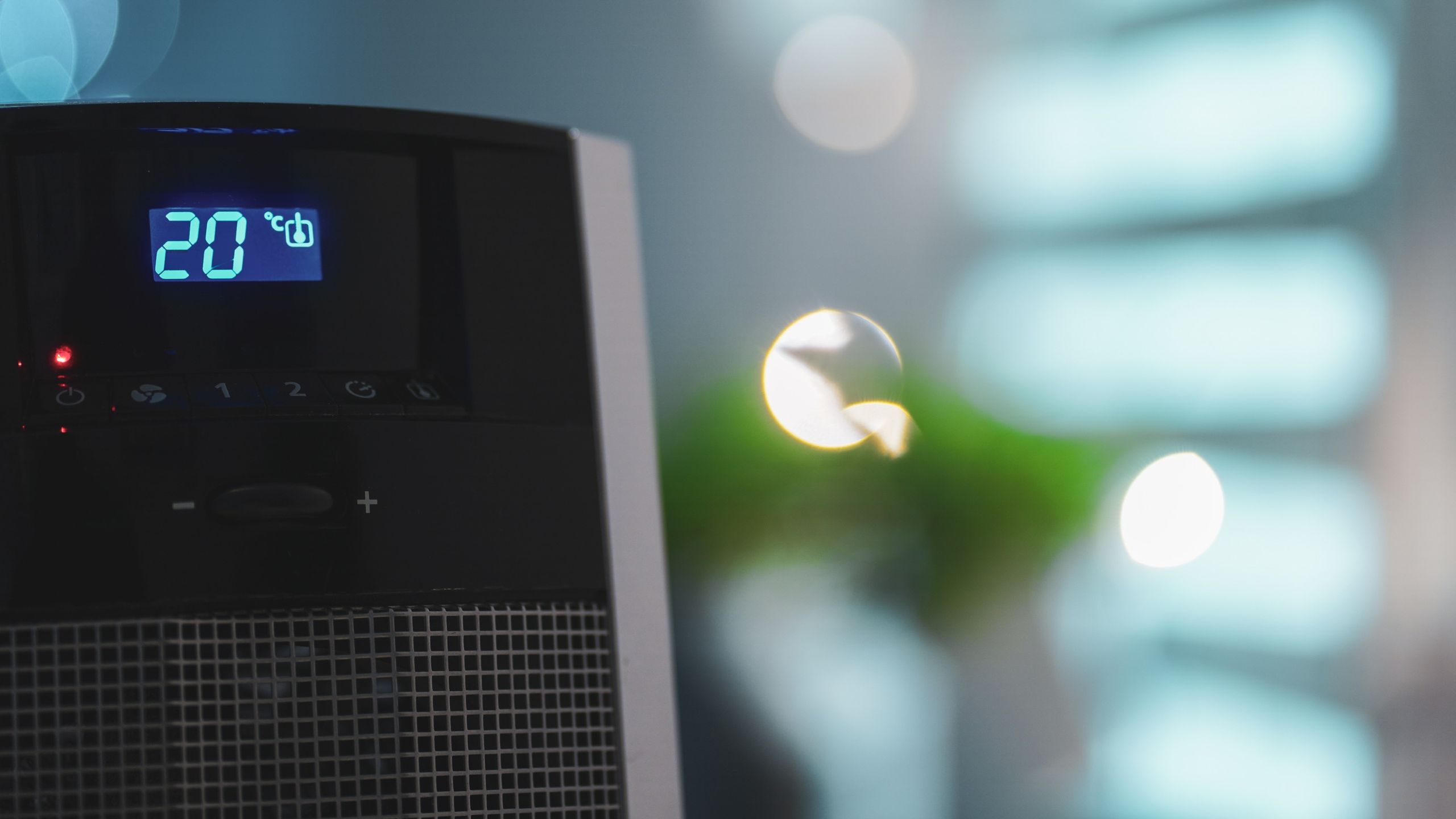
If, like me, you spend a lot of time at home during the day, you too might baulk at the idea of having to have your central heating on near constantly in order to keep warm.
That’s where investing in one of the best electric heaters can be a wise choice. They can provide a quick burst of heat in the room you are in, meaning you don’t have to heat your whole house unnecessarily.
1. How quickly do you want it to heat up and cool down?
One of the first questions to ask yourself is how quickly you want your chosen appliance to generate heat and how long you want it to retain heat for. This is where it’s best to understand the differences between electric heaters and oil-filled radiators.
If you are after instant heat, then an oil-filled radiator definitely isn’t for you as it takes a bit of time for the thermal oil inside to get up to temperature. Instead a fan heater will be a much better choice, especially if you choose one that oscillates. ‘Fan heaters and tower heaters are the perfect choice if you want quick heat while you are present in the room,’ says Elise Reiten, R&D Manager of Mill Heating. ‘They are usually small and light weight and can easily be moved around where you need heating, as well as they are easy to store away during summer.’
On the other hand, if you want an appliance that continues to kick out heat after you’ve turned it off, then an oil-filled radiator is actually the best choice thanks to it’s heat retention properties.
Morphy Richards Heatflux Ultra Thin 2kw Ceramic Tower Fan Heater
This compact 2kW Morphy Richards heater can make quick work of warming rooms up to 20m2, improved by it’s oscillation functionality, but it will cool quickly when turned off.
Pro Breeze Omniwarm 2500w Oil Filled 11 Fins Radiator Heater
While this oil-filled radiator might take longer to heat up than the Morphy Richards tower fan heater, it offers much better heat retention, meaning it will continue giving off heat after it’s been switched off.
2. How comfortable are you with noise?
If you have any noise sensitivity, or are easily distracted by unusual sounds, then it’s a good idea to choose a heater that is silent in operation.
That means avoiding a fan heater, which depending on the model and power setting can emit sounds that are more than noticeable, and instead opting for a convection heater.
‘If you want a heater that quickly heats the room quietly, a portable convection heater with wire heating element is the best choice for you,’ says Elise. ‘It is not as fast as a heater with a fan that forces the air circulation quickly, but it is almost as fast and has the benefit that it dries the air less than fan heaters. They are powerful, yet operates quietly, and are light weight and easy to move around.’
Oil-filled radiators are also silent in operation, but are slower to heat up than a convection heater.
Duux Edge 1000 Smart Convector Heater
An ideal choice for a home office, this Duux convector heater is utterly silent in operation so it won’t distract you from your work. It also looks great!
3. Do you want to be able to control the heater from your phone?
If you love being able to control various aspects of your home from your phone, whether you are home or not, then a smart electric heater could be right up your street.
Whether you want to turn the heater on just before you get home so it’s warm when you walk in, or you want to check you’ve turned it off when you leave, being able to control your electric heater via an app is very handy indeed.
Beyond that, many smart models come with energy monitoring features, open window detection and can automatically reduce energy consumption when the desired temperature is reached. All of which will help you use your electric heater in the most energy efficient way possible.
‘Think of portable electric heaters as a top-up rather than your main source of heating,’ says Stuart Middleton, Consumer Energy Expert at So Energy. ‘They’re great for warming up a room for a short period, but pairing them with warmer clothing, blankets and simple energy-saving habits will keep you cosy while keeping your bills in check.’
Mill Wifi Max Portable Heater 1500w, Smart
While this smart electric heater might take a little bit of setting up, once you’re up and running you can use the free Mill app to turn it on and off, select the temperature and set up schedules that suit your routines. Handily, you can also monitor it’s energy usage. Read our full Mill WiFi Max 1500W portable heater review.
4. Do you have allergies?
For those with allergies, or who hate the idea of the air in their home becoming uncomfortably dry, then it’s best to avoid a fan heater that could move dust an allergens around, and dry the air out.
Instead there are a a few alternative options that may suit. Firstly, you could look at a ceramic heater. ‘The gentlest fan heaters have a ceramic PTC heating element, says Elise. ‘The gentle PTC heating element has a lower surface temperature than normal fan heaters with heating wires. This means that the heater will burn less dust and not dry the air as regular fan heaters do.’
Secondly, you could choose an oil-filled radiator, as Elise goes on to explain: ‘Oil filled radiators have the heating element encapsulated, meaning it is not in direct contact with surrounding air and will not burn dust, nor dry the air. This makes oil filled radiators a great choice for people with allergies, or people that simply want a heating source that is good for the indoor climate.’
Another option for allergy sufferers is to look for a heater/air purifier hybrid that will keep you warm and remove pollutants from the air at the same time.
1500W Small Square Olive Heater
This small and quirky heater has a ceramic heating element, which can help avoid the air in your home drying out too much while it’s in use.
De’Longhi Dragon-4 2.5kw Oil Filled Radiator
This De’Longhi oil-filled radiator doesn’t have a fan so you don’t have to worry about it drying out the air or aggravating any allergies.
Dyson Purifier Hot+cool Hp1 Purifying Fan Heater (white)
A fan, heater and air purifier all in one, this Dyson model may be an investment, but a very worthy one if you want to ensure a healthier home.
5. Are you looking for a permanent or temporary solution?
It’s worth also asking yourself whether you want a portable heater that you can move around your home, and pack away for the summer, or a permanent option that remains in place all year.
If you’re after something more permanent, then a wall-mounted option, like the Ecostrad iQ Ceramic WiFi Controlled Electric Radiator, £299.99 from Electric Radiators Direct is a good idea. It can either be freestanding or attached to the wall if you want to keep your floors free from potential trip hazards.
Alternatively, you could try an electric stove style heater than makes an attractive focal point.
VonHaus Electric Stove & Log Store
6. How big is the room you want to heat?
Once you’ve narrowed down the type of electric heater you want, you need to ensure that you choose a suitably powered model for the room you want to heat.
Get one too small and it will struggle to heat the space effectively, too big and it will use more energy than you need it too, and you may find you get uncomfortably hot.
A good rule of thumb to follow is to allow around 100W per m2 of space you are trying to heat.
Before you make your final decision, make sure you quadruple check what you should know before buying an electric heater so you’re as well-informed as possible.
Read the full article here