

WHO LIVES HERE?
Natalie Benes lives here with her husband Anthony Chudleigh, and their two children, Mia and Leo.
Keen to have more space for their growing family, Natalie Benes and her husband, Anthony, made the move from north London to a market town in Hertfordshire and soon found the perfect three-bed doer-upper home with plenty of potential.
‘We were searching for a town that was within easy commute of the capital,’ recalls Natalie, ‘and close to my family in north-west London, where we could get more house and garden for our money.’
‘After driving around a few locations, we arrived in Berkhamsted and loved the bustling high street with its independent shops, even in the pouring rain! We set our sights on an Edwardian home on one of the town’s pretty streets. We finally found the perfect renovation project, with potential for a spacious side return extension and loft conversion.’
‘The goal was to transform a period house with great bones into a thoughtfully planned, modern family home that retained its heritage charm,’ she recalls. ‘Reconfiguring the ground floor allowed for a spacious open-plan kitchen-diner with improved connection to both the garden and the traditional reception rooms at the front of the house.’
‘Converting the loft added another bedroom and bathroom. I’m an architect at North Road Studio, so we focused on creating long views through the house and into the garden to enhance the sense of space. Large frameless windows, including a sleek oriel window seat, were instrumental in achieving this vision.’
‘We submitted the planning application before we completed the purchase of the house so we could start on site as soon as we got the keys,’ says Natalie. ‘We rented nearby while the work was being done and moved in when most of it had been completed 10 months later.’
‘It took that long because we did everything in one go, which meant we could move into an almost completed home. Extending the side return all the way to the boundary gave us valuable extra space between the island and the dining table.’
‘The open-plan kitchen and dining space has been designed with flexibility in mind, and it works beautifully for our family’s evolving needs. When our children were younger, the open area beside the kitchen island served as a play zone where we could keep an eye on them while cooking.’
‘These days, it’s the hub for Lego masterpieces and craft projects. Looking ahead, the plan is to transform it into a relaxed seating nook with a coffee table and plenty of indoor plants – a space that grows with us over time.’
Take a room by room tour of Natalie and Anthony’s colourful home
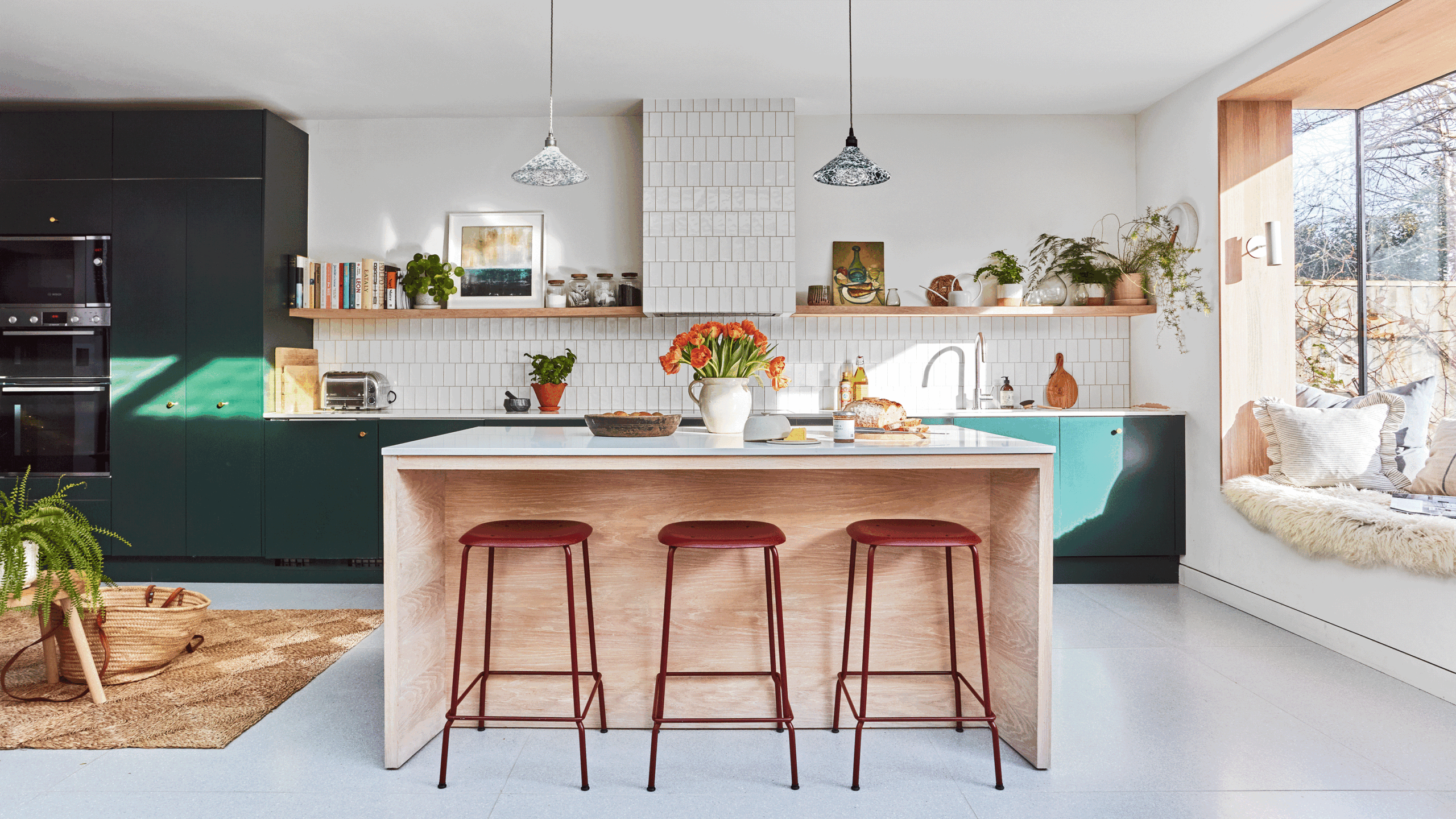
Kitchen
‘We layered the kitchen with rich materials, textures and colours to bring depth and character to the modern, light-filled extension, and tie it in with the rest of the period rooms.’
‘The huge window seat maximises views into the garden and creates a cosy spot to sit, read or chat with the chef. Not only do the children love it, but guests often perch here, too.’
Dining area
‘The long dining bench spans the entire length of the new extension, while the nifty storage drawers underneath hide clutter out of sight.’
Snug
‘Painting the original floorboards white creates a bold contrast with the darker walls, while the deep tones and cosy textures make the space perfect for snuggling up with a good movie.’
We have views from the living room to the garden, which make the house feel much bigger.
Main bedroom
‘The natural tones and organic textures make this space super cosy and inviting,’ says Natalie.
Leo’s bedroom
‘The rich colour palette was inspired by the playful rug. The walls are in different shades of greeny-blues with pops of rusty reds, including the vintage bookcase that I painted myself.’
Bathroom
‘I continued the layers of interesting textures and tones into the family bathroom with a mix of patterned tiles, pale timber accents and lush houseplants,’ says Natalie.
Mia’s bedroom
‘The wall between this bedroom and the adjacent bathroom was rebuilt to accommodate storage niches on both sides. It’s perfect for books and night lights.’
GET THE LOOK
Rainbow Harlequin Jute Rug
NeoDirect Indoor Fabric Play Tent
FOCUS ON… Oriel windows
Frame a garden view with this striking window option
- Originating from Gothic and Tudor architecture that featured projecting windows, modern oriel windows are designed to increase natural light and enhance contemporary architecture with their minimal, glass-box aesthetic that floats above the ground, distinguishing them from a bay window.
- Working in both modern and traditional settings, oriel windows are designed with multiple frameless panels that provide a lovely panoramic view, while the deep window seat is ideal for cosying up with cushions and providing extra seating for guests.
- As they extend from the building, oriel windows typically need structural support to keep them secure. A solid frame or bracket is the most common solution.
- An oriel window will add a unique architectural focal point to your home and as a result, increase the appeal and saleability of your property. Expect to pay anything between £5,000 and £10,000 depending on the glazing spec, frame materials and cost of any bespoke joinery.
Read the full article here