

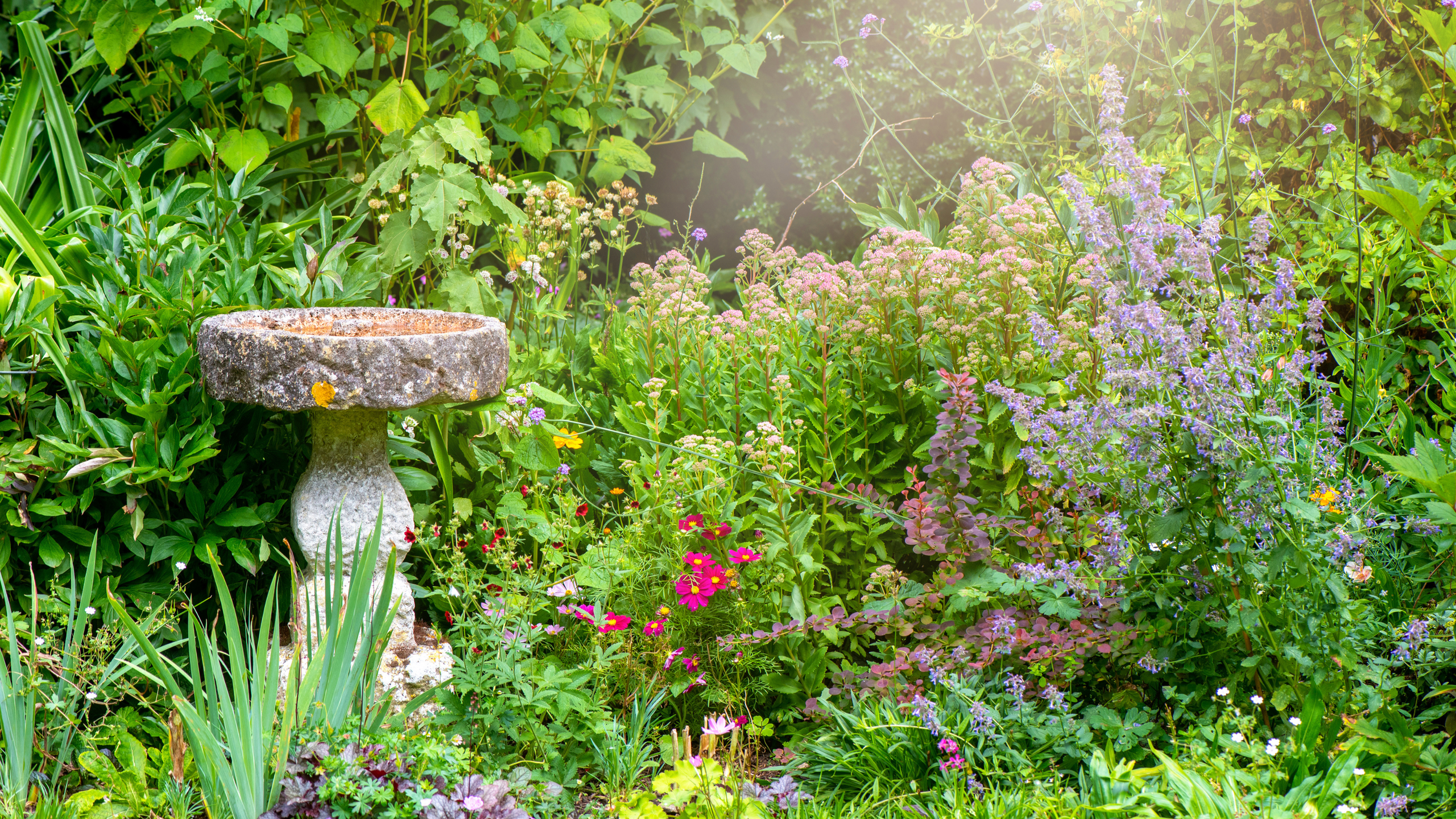
After winter, my garden borders always seem to look a little worse for wear. And by early spring, they tend to feel quite messy, and I know all too well that once the weather warms up properly, weeds will start popping up in their droves.
In the height of spring/summer, they seem to appear overnight, and no matter how often I head out with my trusty root slayer, it can feel impossible to keep up with them once they get going. So I’ve been looking at ways to get rid of weeds naturally before they even have the chance to appear.
How newspaper works to stop weeds
Well, the idea behind this newspaper trick is pretty simple.
Weeds need light to grow, and by covering the soil and blocking the light, weeds are unable to grow, without the need to dig everything up or rely on harsh chemicals, explains Liam Clearly, gardening expert from Old Railway Line Garden centre.
And Richard Barker, gardening expert at LBS Horticulture, agrees, adding that ‘using newspaper to smother weeds is a good technique to implement now, as it can help to prepare garden beds for planting or stop weeds from competing with your plants for resources as they grow.’
There are loads of real positives about using newspaper is that it’s breathable, biodegradable, and a great budget garden idea.
‘Compared to alternative materials like landscaping fabric, newspaper will break down. It also still allows water and air to reach the soil and any plant roots underneath,’ explains Richard. ‘The newspaper can be left in place when planting, as you simply tear a hole into the layers of newspaper to plant into the soil underneath.’
How to use newspaper to smother weeds in garden beds
I asked Richard and Liam for their top tips for adding newspaper to my garden borders. This is their tried-and-tested method.
What you’ll need
Root Slayer
Mini-Digger Shovel, Red
My mum swears by a root slayer, if you need to pull up any early weeds.
Green Olive Firewood Company
Carbon Gro 10l Bag Multi Purpose Peat Free Compost With Added Carbon Capturing Biochar
This Carbon Gro peat-free compost enriched with biochar is perfect for outdoor plants, offering excellent moisture retention and natural slow-release fertilisation.
Westland
Bed & Border Chipped Bark, 70lt
These wood chips will create a decorative touch to your weed-free garden border, which will also help suppress any straggler weeds and help protect your plants too.
1. Remove any existing weeds
First, you should do a quick tidy of your garden borders, removing any larger, more stubborn weeds, making sure you get them right at the root.
‘Especially anything that has been there a while, as these can push through if they are left to carry on growing,’ explains Liam.
‘Smaller weeds can be left in place as they will die off when smothered,’ advises Richard.
2. Start laying your newspaper
Then it’s time to lay your newspaper down. Richard recommends applying three to four sheets of newspaper to the soil surface to minimise gaps where light can get through.
He adds that you should ‘avoid using shiny or coloured sections of the newspaper.’
‘If there are plants in the bed where you are placing the newspaper, it should be placed close to, but not directly in contact with the plant stems,’ he advises.
3. Soak and cover the newspaper
Once you get the newspaper in place, ‘immediately soak the newspaper with water,’ advises Richard. ‘This will help it sit flat and stay where it should,’ adds Liam.
Then they recommend covering the newspaper with a layer of mulch, like RocketGro’s magic mulch, £18.99 from Amazon, that is a few inches thick, and finishing with wood chips (we rate Westland’s chipped bark, £14.19 at Amazon) or compost. Liam says this will ‘help keep everything in place, improve how the bed looks and help the soil hold on to moisture.’
They say that over time, the newspaper should gradually break down, suppressing weeds as it does so. ‘The result is clearer beds and healthier soil with very little effort, which is why so many gardeners continue to use this method,’ explains Liam.
It’s really as simple as that, which was this trick’s biggest appeal. Instead of working out how to kill weeds or laying mulch or membranes, I can reuse something I’d normally recycle and put it to work in the garden. And if you don’t have a newspaper to hand, cardboard is also really effective.
Even if it’s not an instant fix, I feel a little smug knowing that I’m stopping weeds before they take hold, which ultimately means far less work later in the season. There is a slight disclaimer to this, though, as with all weeding methods, it’s not 100% effective, explains Liam.
‘Using newspapers to control weeds can be really useful, but it is not a magic fix. It does a great job of keeping on top of annual weeds, and reduces the need for chemical weed killers, but tougher weeds can still make their way through.’
And he adds that you’ll have to reapply it periodically. ‘Using a newspaper means you will have to keep it up from time to time. It works best as a long-term solution, rather than a one-off fix.’
After winter, my garden borders always seem to look a little worse for wear. And by early spring, they tend to feel quite messy, and I know all too well that once the weather warms up properly, weeds will start popping up in their droves.
In the height of spring/summer, they seem to appear overnight, and no matter how often I head out with my trusty root slayer, it can feel impossible to keep up with them once they get going. So I’ve been looking at ways to get rid of weeds naturally before they even have the chance to appear.
I’ve already planted creeping phlox in part of my borders to help crowd out weeds over time, but while those plants get established, I realised I needed a more preventative approach. So I asked gardening experts for a budget-friendly trick that could help future me keep weeds under control.
Their answer was simple: newspaper. Layering sheets over the soil can help smother weeds before they rear their little heads, blocking the light they need to grow. I got the pro tips to make this easy, no-dig trick work so I can free myself up to focus on more exciting gardening jobs.
How newspaper works to stop weeds
Well, the idea behind this newspaper trick is pretty simple.
Weeds need light to grow, and by covering the soil and blocking the light, weeds are unable to grow, without the need to dig everything up or rely on harsh chemicals, explains Liam Clearly, gardening expert from Old Railway Line Garden centre.
And Richard Barker, gardening expert at LBS Horticulture, agrees, adding that ‘using newspaper to smother weeds is a good technique to implement now, as it can help to prepare garden beds for planting or stop weeds from competing with your plants for resources as they grow.’
There are loads of real positives about using newspaper is that it’s breathable, biodegradable, and a great budget garden idea.
‘Compared to alternative materials like landscaping fabric, newspaper will break down. It also still allows water and air to reach the soil and any plant roots underneath,’ explains Richard. ‘The newspaper can be left in place when planting, as you simply tear a hole into the layers of newspaper to plant into the soil underneath.’
How to use newspaper to smother weeds in garden beds
I asked Richard and Liam for their top tips for adding newspaper to my garden borders. This is their tried-and-tested method.
What you’ll need
Root Slayer
Mini-Digger Shovel, Red
My mum swears by a root slayer, if you need to pull up any early weeds.
Green Olive Firewood Company
Carbon Gro 10l Bag Multi Purpose Peat Free Compost With Added Carbon Capturing Biochar
This Carbon Gro peat-free compost enriched with biochar is perfect for outdoor plants, offering excellent moisture retention and natural slow-release fertilisation.
Westland
Bed & Border Chipped Bark, 70lt
These wood chips will create a decorative touch to your weed-free garden border, which will also help suppress any straggler weeds and help protect your plants too.
1. Remove any existing weeds
First, you should do a quick tidy of your garden borders, removing any larger, more stubborn weeds, making sure you get them right at the root.
‘Especially anything that has been there a while, as these can push through if they are left to carry on growing,’ explains Liam.
‘Smaller weeds can be left in place as they will die off when smothered,’ advises Richard.
2. Start laying your newspaper
Then it’s time to lay your newspaper down. Richard recommends applying three to four sheets of newspaper to the soil surface to minimise gaps where light can get through.
He adds that you should ‘avoid using shiny or coloured sections of the newspaper.’
‘If there are plants in the bed where you are placing the newspaper, it should be placed close to, but not directly in contact with the plant stems,’ he advises.
3. Soak and cover the newspaper
Once you get the newspaper in place, ‘immediately soak the newspaper with water,’ advises Richard. ‘This will help it sit flat and stay where it should,’ adds Liam.
Then they recommend covering the newspaper with a layer of mulch, like RocketGro’s magic mulch, £18.99 from Amazon, that is a few inches thick, and finishing with wood chips (we rate Westland’s chipped bark, £14.19 at Amazon) or compost. Liam says this will ‘help keep everything in place, improve how the bed looks and help the soil hold on to moisture.’
They say that over time, the newspaper should gradually break down, suppressing weeds as it does so. ‘The result is clearer beds and healthier soil with very little effort, which is why so many gardeners continue to use this method,’ explains Liam.
It’s really as simple as that, which was this trick’s biggest appeal. Instead of working out how to kill weeds or laying mulch or membranes, I can reuse something I’d normally recycle and put it to work in the garden. And if you don’t have a newspaper to hand, cardboard is also really effective.
Even if it’s not an instant fix, I feel a little smug knowing that I’m stopping weeds before they take hold, which ultimately means far less work later in the season. There is a slight disclaimer to this, though, as with all weeding methods, it’s not 100% effective, explains Liam.
‘Using newspapers to control weeds can be really useful, but it is not a magic fix. It does a great job of keeping on top of annual weeds, and reduces the need for chemical weed killers, but tougher weeds can still make their way through.’
And he adds that you’ll have to reapply it periodically. ‘Using a newspaper means you will have to keep it up from time to time. It works best as a long-term solution, rather than a one-off fix.’
After winter, my garden borders always seem to look a little worse for wear. And by early spring, they tend to feel quite messy, and I know all too well that once the weather warms up properly, weeds will start popping up in their droves.
In the height of spring/summer, they seem to appear overnight, and no matter how often I head out with my trusty root slayer, it can feel impossible to keep up with them once they get going. So I’ve been looking at ways to get rid of weeds naturally before they even have the chance to appear.
I’ve already planted creeping phlox in part of my borders to help crowd out weeds over time, but while those plants get established, I realised I needed a more preventative approach. So I asked gardening experts for a budget-friendly trick that could help future me keep weeds under control.
Their answer was simple: newspaper. Layering sheets over the soil can help smother weeds before they rear their little heads, blocking the light they need to grow. I got the pro tips to make this easy, no-dig trick work so I can free myself up to focus on more exciting gardening jobs.
How newspaper works to stop weeds
Well, the idea behind this newspaper trick is pretty simple.
Weeds need light to grow, and by covering the soil and blocking the light, weeds are unable to grow, without the need to dig everything up or rely on harsh chemicals, explains Liam Clearly, gardening expert from Old Railway Line Garden centre.
And Richard Barker, gardening expert at LBS Horticulture, agrees, adding that ‘using newspaper to smother weeds is a good technique to implement now, as it can help to prepare garden beds for planting or stop weeds from competing with your plants for resources as they grow.’
There are loads of real positives about using newspaper is that it’s breathable, biodegradable, and a great budget garden idea.
‘Compared to alternative materials like landscaping fabric, newspaper will break down. It also still allows water and air to reach the soil and any plant roots underneath,’ explains Richard. ‘The newspaper can be left in place when planting, as you simply tear a hole into the layers of newspaper to plant into the soil underneath.’
How to use newspaper to smother weeds in garden beds
I asked Richard and Liam for their top tips for adding newspaper to my garden borders. This is their tried-and-tested method.
What you’ll need
Root Slayer
Mini-Digger Shovel, Red
My mum swears by a root slayer, if you need to pull up any early weeds.
Green Olive Firewood Company
Carbon Gro 10l Bag Multi Purpose Peat Free Compost With Added Carbon Capturing Biochar
This Carbon Gro peat-free compost enriched with biochar is perfect for outdoor plants, offering excellent moisture retention and natural slow-release fertilisation.
Westland
Bed & Border Chipped Bark, 70lt
These wood chips will create a decorative touch to your weed-free garden border, which will also help suppress any straggler weeds and help protect your plants too.
1. Remove any existing weeds
First, you should do a quick tidy of your garden borders, removing any larger, more stubborn weeds, making sure you get them right at the root.
‘Especially anything that has been there a while, as these can push through if they are left to carry on growing,’ explains Liam.
‘Smaller weeds can be left in place as they will die off when smothered,’ advises Richard.
2. Start laying your newspaper
Then it’s time to lay your newspaper down. Richard recommends applying three to four sheets of newspaper to the soil surface to minimise gaps where light can get through.
He adds that you should ‘avoid using shiny or coloured sections of the newspaper.’
‘If there are plants in the bed where you are placing the newspaper, it should be placed close to, but not directly in contact with the plant stems,’ he advises.
3. Soak and cover the newspaper
Once you get the newspaper in place, ‘immediately soak the newspaper with water,’ advises Richard. ‘This will help it sit flat and stay where it should,’ adds Liam.
Then they recommend covering the newspaper with a layer of mulch, like RocketGro’s magic mulch, £18.99 from Amazon, that is a few inches thick, and finishing with wood chips (we rate Westland’s chipped bark, £14.19 at Amazon) or compost. Liam says this will ‘help keep everything in place, improve how the bed looks and help the soil hold on to moisture.’
They say that over time, the newspaper should gradually break down, suppressing weeds as it does so. ‘The result is clearer beds and healthier soil with very little effort, which is why so many gardeners continue to use this method,’ explains Liam.
It’s really as simple as that, which was this trick’s biggest appeal. Instead of working out how to kill weeds or laying mulch or membranes, I can reuse something I’d normally recycle and put it to work in the garden. And if you don’t have a newspaper to hand, cardboard is also really effective.
Even if it’s not an instant fix, I feel a little smug knowing that I’m stopping weeds before they take hold, which ultimately means far less work later in the season. There is a slight disclaimer to this, though, as with all weeding methods, it’s not 100% effective, explains Liam.
‘Using newspapers to control weeds can be really useful, but it is not a magic fix. It does a great job of keeping on top of annual weeds, and reduces the need for chemical weed killers, but tougher weeds can still make their way through.’
And he adds that you’ll have to reapply it periodically. ‘Using a newspaper means you will have to keep it up from time to time. It works best as a long-term solution, rather than a one-off fix.’
After winter, my garden borders always seem to look a little worse for wear. And by early spring, they tend to feel quite messy, and I know all too well that once the weather warms up properly, weeds will start popping up in their droves.
In the height of spring/summer, they seem to appear overnight, and no matter how often I head out with my trusty root slayer, it can feel impossible to keep up with them once they get going. So I’ve been looking at ways to get rid of weeds naturally before they even have the chance to appear.
I’ve already planted creeping phlox in part of my borders to help crowd out weeds over time, but while those plants get established, I realised I needed a more preventative approach. So I asked gardening experts for a budget-friendly trick that could help future me keep weeds under control.
Their answer was simple: newspaper. Layering sheets over the soil can help smother weeds before they rear their little heads, blocking the light they need to grow. I got the pro tips to make this easy, no-dig trick work so I can free myself up to focus on more exciting gardening jobs.
How newspaper works to stop weeds
Well, the idea behind this newspaper trick is pretty simple.
Weeds need light to grow, and by covering the soil and blocking the light, weeds are unable to grow, without the need to dig everything up or rely on harsh chemicals, explains Liam Clearly, gardening expert from Old Railway Line Garden centre.
And Richard Barker, gardening expert at LBS Horticulture, agrees, adding that ‘using newspaper to smother weeds is a good technique to implement now, as it can help to prepare garden beds for planting or stop weeds from competing with your plants for resources as they grow.’
There are loads of real positives about using newspaper is that it’s breathable, biodegradable, and a great budget garden idea.
‘Compared to alternative materials like landscaping fabric, newspaper will break down. It also still allows water and air to reach the soil and any plant roots underneath,’ explains Richard. ‘The newspaper can be left in place when planting, as you simply tear a hole into the layers of newspaper to plant into the soil underneath.’
How to use newspaper to smother weeds in garden beds
I asked Richard and Liam for their top tips for adding newspaper to my garden borders. This is their tried-and-tested method.
What you’ll need
Root Slayer
Mini-Digger Shovel, Red
My mum swears by a root slayer, if you need to pull up any early weeds.
Green Olive Firewood Company
Carbon Gro 10l Bag Multi Purpose Peat Free Compost With Added Carbon Capturing Biochar
This Carbon Gro peat-free compost enriched with biochar is perfect for outdoor plants, offering excellent moisture retention and natural slow-release fertilisation.
Westland
Bed & Border Chipped Bark, 70lt
These wood chips will create a decorative touch to your weed-free garden border, which will also help suppress any straggler weeds and help protect your plants too.
1. Remove any existing weeds
First, you should do a quick tidy of your garden borders, removing any larger, more stubborn weeds, making sure you get them right at the root.
‘Especially anything that has been there a while, as these can push through if they are left to carry on growing,’ explains Liam.
‘Smaller weeds can be left in place as they will die off when smothered,’ advises Richard.
2. Start laying your newspaper
Then it’s time to lay your newspaper down. Richard recommends applying three to four sheets of newspaper to the soil surface to minimise gaps where light can get through.
He adds that you should ‘avoid using shiny or coloured sections of the newspaper.’
‘If there are plants in the bed where you are placing the newspaper, it should be placed close to, but not directly in contact with the plant stems,’ he advises.
3. Soak and cover the newspaper
Once you get the newspaper in place, ‘immediately soak the newspaper with water,’ advises Richard. ‘This will help it sit flat and stay where it should,’ adds Liam.
Then they recommend covering the newspaper with a layer of mulch, like RocketGro’s magic mulch, £18.99 from Amazon, that is a few inches thick, and finishing with wood chips (we rate Westland’s chipped bark, £14.19 at Amazon) or compost. Liam says this will ‘help keep everything in place, improve how the bed looks and help the soil hold on to moisture.’
They say that over time, the newspaper should gradually break down, suppressing weeds as it does so. ‘The result is clearer beds and healthier soil with very little effort, which is why so many gardeners continue to use this method,’ explains Liam.
It’s really as simple as that, which was this trick’s biggest appeal. Instead of working out how to kill weeds or laying mulch or membranes, I can reuse something I’d normally recycle and put it to work in the garden. And if you don’t have a newspaper to hand, cardboard is also really effective.
Even if it’s not an instant fix, I feel a little smug knowing that I’m stopping weeds before they take hold, which ultimately means far less work later in the season. There is a slight disclaimer to this, though, as with all weeding methods, it’s not 100% effective, explains Liam.
‘Using newspapers to control weeds can be really useful, but it is not a magic fix. It does a great job of keeping on top of annual weeds, and reduces the need for chemical weed killers, but tougher weeds can still make their way through.’
And he adds that you’ll have to reapply it periodically. ‘Using a newspaper means you will have to keep it up from time to time. It works best as a long-term solution, rather than a one-off fix.’
After winter, my garden borders always seem to look a little worse for wear. And by early spring, they tend to feel quite messy, and I know all too well that once the weather warms up properly, weeds will start popping up in their droves.
In the height of spring/summer, they seem to appear overnight, and no matter how often I head out with my trusty root slayer, it can feel impossible to keep up with them once they get going. So I’ve been looking at ways to get rid of weeds naturally before they even have the chance to appear.
I’ve already planted creeping phlox in part of my borders to help crowd out weeds over time, but while those plants get established, I realised I needed a more preventative approach. So I asked gardening experts for a budget-friendly trick that could help future me keep weeds under control.
Their answer was simple: newspaper. Layering sheets over the soil can help smother weeds before they rear their little heads, blocking the light they need to grow. I got the pro tips to make this easy, no-dig trick work so I can free myself up to focus on more exciting gardening jobs.
How newspaper works to stop weeds
Well, the idea behind this newspaper trick is pretty simple.
Weeds need light to grow, and by covering the soil and blocking the light, weeds are unable to grow, without the need to dig everything up or rely on harsh chemicals, explains Liam Clearly, gardening expert from Old Railway Line Garden centre.
And Richard Barker, gardening expert at LBS Horticulture, agrees, adding that ‘using newspaper to smother weeds is a good technique to implement now, as it can help to prepare garden beds for planting or stop weeds from competing with your plants for resources as they grow.’
There are loads of real positives about using newspaper is that it’s breathable, biodegradable, and a great budget garden idea.
‘Compared to alternative materials like landscaping fabric, newspaper will break down. It also still allows water and air to reach the soil and any plant roots underneath,’ explains Richard. ‘The newspaper can be left in place when planting, as you simply tear a hole into the layers of newspaper to plant into the soil underneath.’
How to use newspaper to smother weeds in garden beds
I asked Richard and Liam for their top tips for adding newspaper to my garden borders. This is their tried-and-tested method.
What you’ll need
Root Slayer
Mini-Digger Shovel, Red
My mum swears by a root slayer, if you need to pull up any early weeds.
Green Olive Firewood Company
Carbon Gro 10l Bag Multi Purpose Peat Free Compost With Added Carbon Capturing Biochar
This Carbon Gro peat-free compost enriched with biochar is perfect for outdoor plants, offering excellent moisture retention and natural slow-release fertilisation.
Westland
Bed & Border Chipped Bark, 70lt
These wood chips will create a decorative touch to your weed-free garden border, which will also help suppress any straggler weeds and help protect your plants too.
1. Remove any existing weeds
First, you should do a quick tidy of your garden borders, removing any larger, more stubborn weeds, making sure you get them right at the root.
‘Especially anything that has been there a while, as these can push through if they are left to carry on growing,’ explains Liam.
‘Smaller weeds can be left in place as they will die off when smothered,’ advises Richard.
2. Start laying your newspaper
Then it’s time to lay your newspaper down. Richard recommends applying three to four sheets of newspaper to the soil surface to minimise gaps where light can get through.
He adds that you should ‘avoid using shiny or coloured sections of the newspaper.’
‘If there are plants in the bed where you are placing the newspaper, it should be placed close to, but not directly in contact with the plant stems,’ he advises.
3. Soak and cover the newspaper
Once you get the newspaper in place, ‘immediately soak the newspaper with water,’ advises Richard. ‘This will help it sit flat and stay where it should,’ adds Liam.
Then they recommend covering the newspaper with a layer of mulch, like RocketGro’s magic mulch, £18.99 from Amazon, that is a few inches thick, and finishing with wood chips (we rate Westland’s chipped bark, £14.19 at Amazon) or compost. Liam says this will ‘help keep everything in place, improve how the bed looks and help the soil hold on to moisture.’
They say that over time, the newspaper should gradually break down, suppressing weeds as it does so. ‘The result is clearer beds and healthier soil with very little effort, which is why so many gardeners continue to use this method,’ explains Liam.
It’s really as simple as that, which was this trick’s biggest appeal. Instead of working out how to kill weeds or laying mulch or membranes, I can reuse something I’d normally recycle and put it to work in the garden. And if you don’t have a newspaper to hand, cardboard is also really effective.
Even if it’s not an instant fix, I feel a little smug knowing that I’m stopping weeds before they take hold, which ultimately means far less work later in the season. There is a slight disclaimer to this, though, as with all weeding methods, it’s not 100% effective, explains Liam.
‘Using newspapers to control weeds can be really useful, but it is not a magic fix. It does a great job of keeping on top of annual weeds, and reduces the need for chemical weed killers, but tougher weeds can still make their way through.’
And he adds that you’ll have to reapply it periodically. ‘Using a newspaper means you will have to keep it up from time to time. It works best as a long-term solution, rather than a one-off fix.’
Read the full article here