

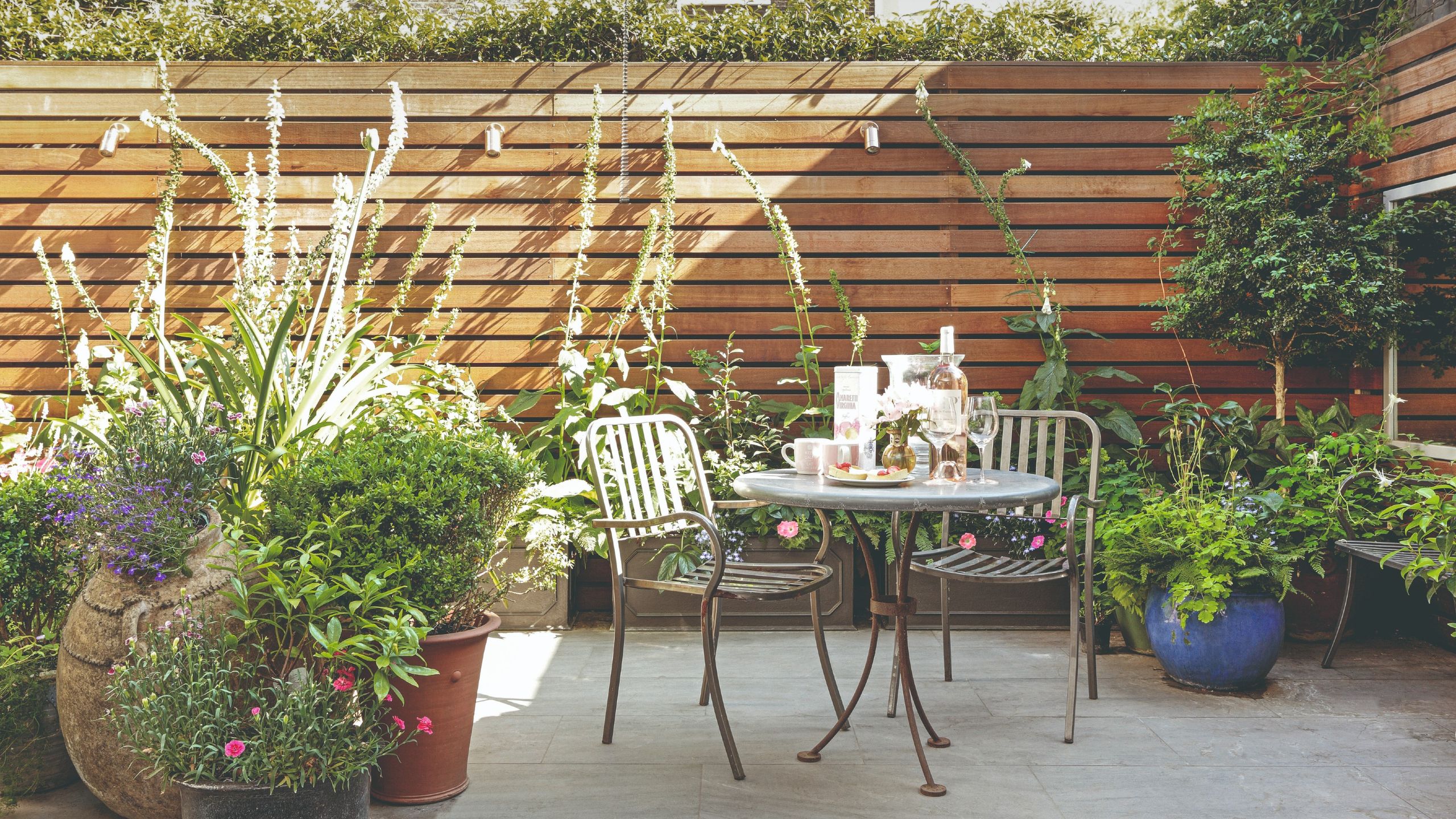
Forget putting up stark fences or walls! Spend some time researching the best flowering plants to add privacy and screen your garden, and you’ll be well on your way to a happy new space.
Yes, some of the most effective ways to screen your space can also be the most beautiful, especially if you’re making a point of using blooms to soften boundaries while adding colour, scent, and movement with fast-growing screening plants or flowering container plants for privacy.
Whether you’re overlooked by neighbouring properties or simply want to carve out a more secluded corner to relax in, the right planting can transform your outdoor space into something far more inviting. Here’s what you need to know.
Article continues below
Best flowering plants to add privacy and screen your garden
‘Creating a private, cosy garden doesn’t have to mean hiding behind dull fences or walls,’ promises Charlotte McGrattan, HNS Buyer at Hillier Garden Centres .
She’s not wrong. From fast-growing hedges and shrubs to elegant climbers, there are plenty of options that offer both coverage and visual appeal, so long as you choose plants that not only grow densely enough to provide screening, but also suit your garden’s conditions.
With a little planning, you can create a natural barrier that feels lush rather than closed off. And, to help you narrow it down, gardening experts have shared their top flowering plants for adding privacy – without sacrificing style points.
1. Star jasmine
If you’re looking for a plant that combines privacy, fragrance, and beauty, star jasmine is hard to beat. This evergreen climber produces delicate white flowers in summer, paired with glossy green leaves that take on a reddish hue in winter.
As Charlotte puts it, ‘star jasmine is an excellent choice… it can grow up to eight metres in height by four metres in spread, making it ideal for creating a large, natural privacy screen’.
It’s also relatively low maintenance, clinging easily to supports and thriving in a sunny, sheltered position. Just be sure to plant it near a window or seating area to make the most of its scent.
Where to buy star jasmine:
Shop supports for climbing plants
Wooden Trellis Panel 1800 X 600mm
Attach a trellis to a wall or fence to train it upwards.
Divchi Steel Garden Obelisk Climbing Plant Support 1.9m
Create height with a tall obelisk.
Practicool 1.6mm X 30m Galvanised Coated Garden Wire
Train them up a wall with wire instead of a trellis.
2. Cherry laurel
For fast, dense coverage, cherry laurel is a go-to choice. This evergreen hedging plant forms a thick wall of glossy green foliage, making it particularly effective for blocking out neighbouring views.
‘Cherry laurel… grows rapidly, provides quick coverage and screening, thrives in most soil types, and tolerates shade well,’ promises Charlotte. And during early to mid spring, it blooms with small, fragrant flowers.
While it’s easy to grow, occasional pruning will help keep it looking neat and prevent it from becoming too vigorous.
Where to buy cherry laurel:
3. Escallonia
If you want a privacy screen in the form of a no-effort shrub that thrives on neglect but also delivers colour, escallonia is a brilliant option. Its glossy evergreen leaves are paired with clusters of pink, red, or white flowers throughout summer, adding seasonal interest to your boundaries.
‘Escallonia forms a dense, colourful screen and attracts pollinators with its fragrant flowers,’ says Charlotte, noting that it’s particularly well suited to coastal gardens.
This one responds well to pruning, but take care to remember that it benefits from a sheltered position in colder areas.
Where to buy escallonia:
4. Photinia fraseri ‘Red Robin’
For something a little more striking, ‘Red Robin’ offers year-round screening with a splash of seasonal colour. Especially as its dark green foliage is offset by vibrant red new growth in spring and early summer, creating a dynamic, layered look.
‘I love it because it’s low-maintenance and hardy, making it ideal for those who want privacy without having to spend a lot of time on upkeep,’ raves Charlotte.
Tolerant of both sun and partial shade, it’s a versatile choice that requires only light pruning to maintain its shape. Win!
Where to buy Photinia:
5. Buddleja
And now for something completely different! If you prefer a softer, more natural-looking screen, buddleja is an excellent choice, even if grown in a pot.
Fast-growing and airy, it quickly fills gaps with tall, arching stems and nectar-rich flowers in shades of lilac, white, or pink. Which means, yes, ‘buddleja can quickly fill gaps and create a wild-looking privacy screen… attracting bees and butterflies,’ explains Morris Hankinson, director of Hopes Grove Nurseries..
Remember that the butterfly bush does benefit from a hard prune each year to keep it tidy and encourage fresh growth, not to mention stop it getting too thuggish.
Where to buy buddleja:
6. Clematis
For vertical privacy without taking up much ground space, clematis is a standout option. Grown over a trellis, fence, or pergola, it creates a living wall of flowers in a wide range of colours and forms.
‘If you need vertical privacy, clematis is an excellent climber… different varieties will flower at different times of the year,’ explains Morris.
For maximum impact, he recommends that you try pairing it with climbing roses for a layered, romantic look that enhances both coverage and colour.
Where to buy clematis:
FAQs
What to plant against a fence for privacy?
While there are plenty of plants famed to be best for planting against a fence for privacy, Morris Hankinson of Hopes Grove Nurseries has a surprising addition to add to the list: a hydrangea.
‘With large, showy flower heads, hydrangeas can create a beautiful privacy screen. Varieties like Hydrangea paniculata can grow tall and dense, making them excellent for partial privacy in sheltered gardens,’ he says.
‘That being said, most Hydrangeas in various colours can provide privacy. Leaving the flower heads over winter will also provide winter interest and some privacy.’
Alternatively, Morris recommends a camellia for year-round screening.
‘They thrive in slightly acidic soil and look stunning when used as a formal hedge, especially when in flower,’ he says.
What plants are good for using as fences?
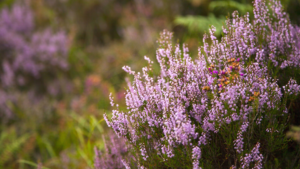
If you want to create a low fence, Morris Hankinson of Hopes Grove Nurseries recommends planting lavender.
‘A classic choice for low hedging, lavender provides dense growth, fragrance and soft lilac flowers throughout summer,’ he says. ‘Bees and butterflies will love it as well. It’s perfect for lining pathways or forming a fragrant border screen in sunny spots.’
With the right mix of flowering shrubs and climbers, it’s entirely possible to create a garden that feels private without sacrificing beauty.
Whether you opt for one of the more structured evergreens on our list, or a looser, wildlife-friendly planting, we’re confident that all of these options prove that screening your space can be just as much about style as it is seclusion.
Time to get planting in earnest, then…
If you enjoyed reading this, sign up for the Ideal Home newsletter for all the latest home decor trends and inspiration delivered straight to your inbox
TOPICS
Read the full article here