


Open plan kitchens quietly became one of the most desirable kitchen layouts over the last decade. Whether your home lends itself to this layout or not, many of us undertook side return extensions and knocked through walls to achieve the spacious and sociable kitchen design.
But are open plan kitchens all they’re cracked up to be? Our kitchens are more multi-functional than ever before, and while open plan layouts encompass all of these needs in one space, it doesn’t make it the best option for the job.
Are open plan kitchens going out of style?
When I think of my dream kitchen, a vast open plan space with room for a comfy sofa, casual dining corner and capacious kitchen island is what comes to mind. But I wonder whether that is a pipe dream that has been influenced by other people’s homes, rather than what might actually be practical for day to day life.
Now I’m not saying that there’s no merit in an open plan kitchen – the flexible layout has made family life much simpler to navigate, allowing parents to watch children while they crack on with tasks and encouraging communal dining and living. However, a large room with no divides also has its downsides.
‘Open plan kitchens aren’t going out of style, they’re simply becoming more defined,’ echoes Joanna Humphreys, fire and stove specialist at Direct Stoves. ‘People still want connected spaces, yet also crave warmth and flexible living – separating zones while remaining visually connected.’
We still want the connection that open plan kitchens provide but in 2026, emphasis is more on functionality than ever before. We have less time to put up with everyday frustrations that inconvenient kitchen layouts provide, which means that open plan is becoming less desirable.
What is replacing open plan kitchens?
In 2026, we’re taking the best bits of open plan kitchens and making them a little less… open. Creating sociable zones for dining and socialising in a cooking space are still essential, however, separation between these areas is being favoured more highly.
‘Many homeowners are now opting for broken plan layouts. This popular choice is still just as aesthetically pleasing as an open-plan kitchen but with added functionality,’ says Al Bruce, founder of Olive & Barr.
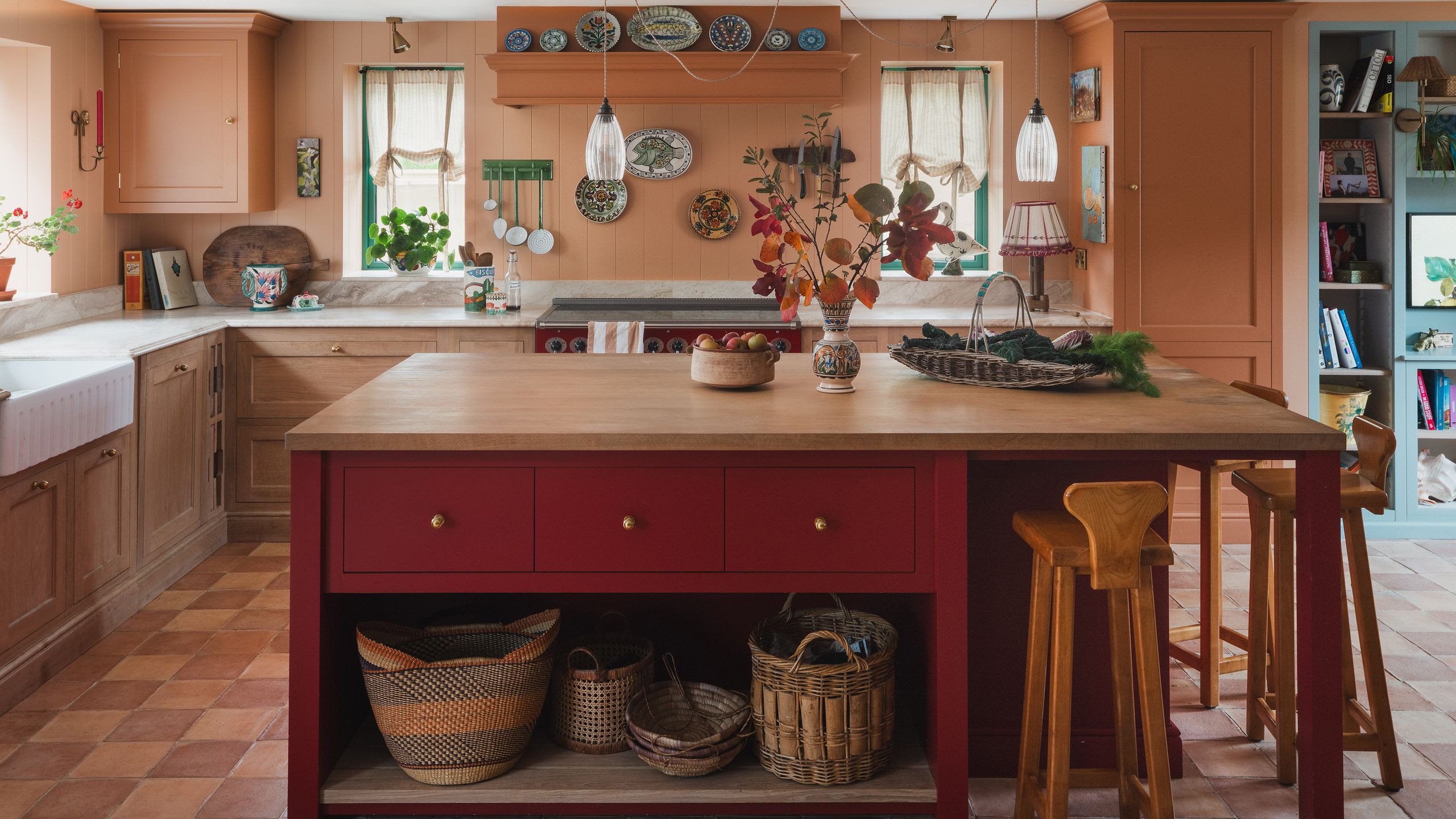
‘Better yet, it suits both small and awkwardly proportioned rooms. This versatile layout is ideal for zoning areas of the kitchen, achieved by creating partitions, for example, a freestanding breakfast bar, open shelving, or panelled glass doors. With multifunctional living a priority for many, a broken plan allows for both work and play, with the option of a little privacy when needed.’
Opting for zones means you can subtly create divides between different areas of your kitchen without losing the open feel. Storage is essential to achieving this, so that when you’re using the kitchen, each item has a home in it’s corresponding area and organisation is easily maintained.
‘When designing an open plan kitchen, it’s important to consider whether you want to ‘hide away’ the clutter in your kitchen when it can be seen from the lounge or dining room. Therefore, clever kitchen storage solutions are a must-have in these designs,’ explains Sinead Trainor, kitchen category manager at LochAnna Kitchens.
However, you can also achieve a broken plan layout through visual tricks. ‘More and more people are opting for creative flooring designs in open-plan layouts, transitioning from parquet to plank, for example, to subtly change the aesthetic between different areas,’ explains Natalie Mudd, co-founder and creative director of Knot & Grain.
‘By changing the laying pattern, introducing borders or even mixing finishes and tones, engineered wood flooring can help define separate spaces without the need for walls, making open-plan living more functional and flexible.’
Read the full article here