

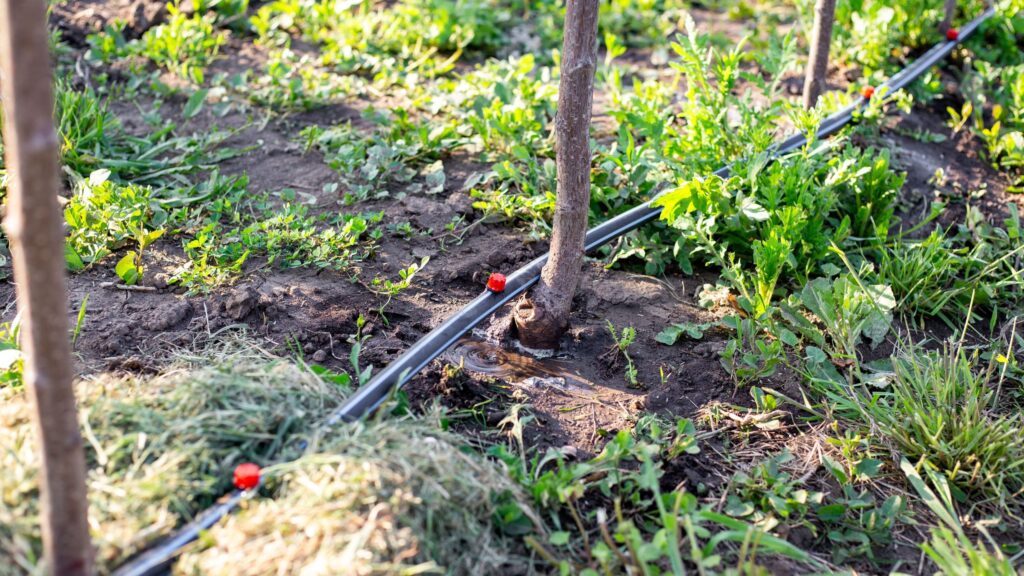
Watering is at the top of most gardeners’ to-do lists throughout the summer, but it can also be a time-consuming task. If you’re pressed for time, you might be considering automatic options – but are irrigation systems worth it?
Irrigation systems like drip watering setups are ideal if you want to take the guesswork out of watering the plants in your garden. Beyond setup, they can make gardening more effortless than ever, and even cultivate healthier plants. Just like any garden tool, though, they have their benefits and drawbacks.
We’ve asked the experts to shed light on the pros and cons of irrigation systems to help you decide whether they’re worth the investment.
Our top irrigation system picks
Hozelock 20 Pot Automatic Watering Kit 2803
This basic drip irrigation system contains everything you need to water a medium-sized garden.
This leaky hose slowly delivers water to plant roots – where they need it most.
Gardena Solar-Powered Irrigation AquaBloom Set
We love this solar-powered irrigation set.
Advantages of irrigation systems
1. They save time
Irrigation systems tend to slowly release water, keeping your plants topped up so you don’t have to. If you learn how to set up a drip watering system, for example, you’ll be able to keep your plants watered little and often.
‘If you plan and install your irrigation system before planting, you can save yourself a lot of work and time spent standing around with a hose later,’ says the expert team at Harrod Horticultural.
‘A soaker hose and drip irrigation are the two best ways to irrigate, and if there’s no significant rainfall, turning on the irrigation system once a week should be enough to keep your vegetables happy until you see the arrival of good rainfall.’
2. There are smart options
Irrigation systems come in a range of smart options that make plant care a breeze. Smart watering systems can calculate how much water your plants need in line with the weather forecast and other environmental factors, and adjust the watering level accordingly.
Smart irrigation systems water your garden automatically, using features that take into account local weather conditions and soil sensors,’ says Jon Saeed, managing director of LightingLegends.com. ‘This ensures your plants are watered when they need it most, without the risk of forgetting.’
You could even invest in an advanced smart irrigation system like the Aiper IrriSense 2 Lawn Sprinkler (available at Amazon), which allows multi-zone and plant-specific watering.
3. They’re accurate
Irrigation systems are also worth the investment if you struggle to figure out the best way to water your plants, and when. They target the plants at soil level, which makes watering a lot more precise – and lowers the risk of your plants contracting fungal diseases, too.
‘One of the most common ways to kill a plant is by underwatering or overwatering,’ says Richard Ferguson, international marketing manager at Hozelock UK.
‘When it comes to watering, it’s not about quantity but more about quality. Automatic watering systems have more control and can deliver water directly to where it needs to be right at the soil level. By doing this, the roots can absorb the water from beneath the soil, which tends to be more effective than watering from above as there is less evaporation from the sun, reducing water wastage as well as leaf scorch.’
So, if you’re wondering if you can overwater plants in the summer, these savvy systems can take the mystery away.
4. They’ll give you peace of mind on holiday
Some self-watering systems, like drip irrigation or capillary mats, slowly release water directly to the plant roots without you having to lift the watering can.
‘Investing in a self-watering system can be particularly beneficial for extended trips,’ says Alex Biggart, plant and flower expert at 123 Flowers. ‘They provide a consistent moisture level, which is crucial for plant health.’
There are even automatic watering options, like the Hozelock 25 Pot Watering Kit from Amazon.
‘Automatic watering can help alleviate the stress of watering if you are away, without having to rely on family, friends, or neighbours,’ says Richard from Hozelock. ‘With the Hozelock 25 Pot Watering Kit, you can water up to 25 pots on a schedule of once a week, or up to four times a day. The kit includes 16 pre-set programmes which deliver water directly to the roots, giving you peace of mind that your plants will be happy and healthy.’
Disadvantages of irrigation systems
1. Costs
The first thing you’ll want to consider before investing in an irrigation system is the cost, so that you don’t make any glaring irrigation mistakes.
‘The initial installation can be expensive, especially for bigger gardens that require more complex systems,’ says James Ewens, gardening expert at Alexander Francis. ‘Sprinkler systems also often rely on pumps which consume energy and raise your bills.’
2. Water restrictions
Under a hosepipe ban, restrictions can extend to irrigation systems like sprinklers.
‘For watering large areas, a sprinkler is very useful but may require a licence in some areas, and beware if you are on a water meter, as they are not very efficient and can use up to 1000 litres of excess water a day,’ says the expert team at Harrod Horticultural.
3. Ongoing maintenance
While irrigation systems can certainly make life easier when it comes to watering, it’s important to keep in mind that they require frequent TLC – especially if you want to avoid unnecessary costs further down the road.
‘Irrigation systems require regular maintenance, including cleaning, repairs, and checking for leaks,’ says James from Alexander Francis. ‘If they’re not properly maintained, they can easily waste water by overwatering your lawn and plants, as well as potentially increasing energy consumption.’
Irrigation systems are worth the investment if you want to save time and water your plants more efficiently. Cost, hosepipe bans and maintenance are the only things you’ll need to keep in mind.
Read the full article here