



Garden experts have revealed five ways to heatproof a garden, to ensure your plants survive when temperatures soar.
The most recent heatwave and the promise of a July one have left many of us looking for ways to cool our gardens. From garden shade ideas to opting for drought-resistant plants, there are plenty of ways to help support your outdoor space during periods of extreme heat.
But considering meteorologists expect extreme heat to become more frequent in future summers, perhaps it is time to stop looking at the things people with cool gardens always have and start looking at the preventive measures to help a garden survive in the first place.
1. Increase shade
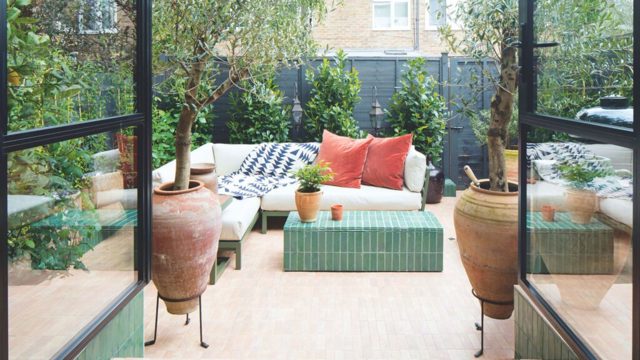
One of the most important things you can do to effectively heatproof a garden is to learn how to shade a garden. It can help cool a garden as well as protect you and your plants from harmful UV rays. This shade can come in the form of a parasol, pergola ideas or even natural shade from plants and trees.
‘Shade is one of the most effective ways to lower the ambient temperature in your garden. A mature tree can reduce the temperature beneath its canopy by up to 10C. Pergolas and shade sails can protect soil from baking and plants from scorching,’ says Jonathan Davis, a grass expert at Lawnsmith.
‘Leaving grass a little higher than usual can create shade for the soil at its base, helping it to retain moisture for longer. Even creating temporary shade structures before a heatwave lands can protect your plants and grass from heat damage.’
2. Harvest rainwater
If you haven’t already thought about installing a water butt, you definitely should be. Fantastic for recycling rainwater, they really come into their own during a hosepipe ban or period of extended drought. You can pick up a well-reviewed water butt starter kit for £72.99 at B&Q.
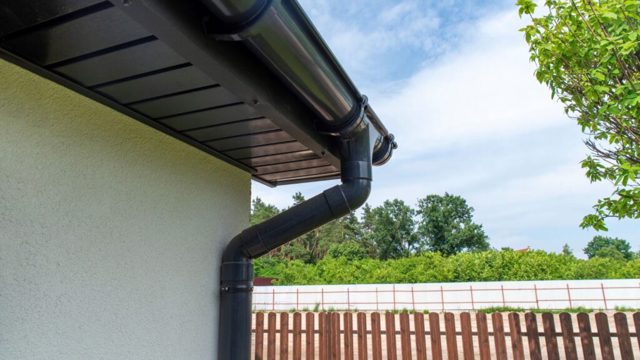
‘Relying on mains water during a heatwave can often be restricted by hosepipe bans. Adding dedicated water butts into your garden is one of the easiest ways to secure a free, independent water supply. People often underestimate how much water a single downpipe can collect; a brief summer downpour on a decent-sized roof can fill a standard water butt in very little time,’ says Noah Mabey, Senior Gardener at Thornbridge Hall and Horticultural Advisor to Platinum Spas.
‘Look beyond just the main house. You can connect a water butt via a rainwater diverter kit to the downpipe of any roof structure on your property. This might be a greenhouse, garden shed or garage.
‘To make this harvested water go as far as possible, step away from the hosepipe, which encourages overwatering. Fill a traditional watering can directly from the butt tap. This forces you to be more targeted, ensuring you can see exactly how much water is going directly to the root area of specific plants.’
3. Swap your lawn your something tougher
Keeping a perfectly manicured lawn is difficult in hot weather, and a far more sustainable option is to opt for something a little less polished…
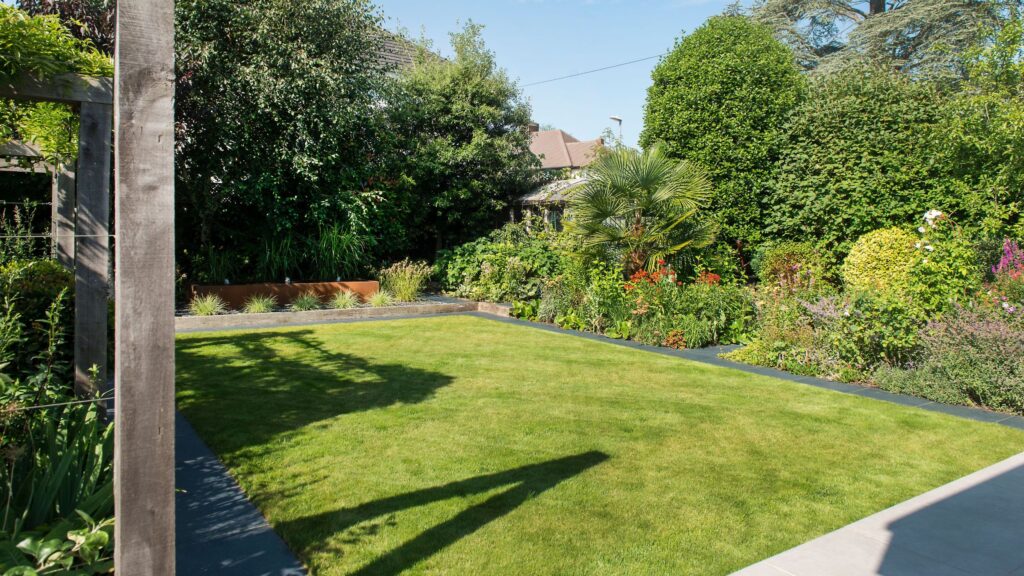
‘Traditional grass can struggle in prolonged heat. You could consider swapping it out or introducing areas of clover or wildflowers, which are much more resilient in warm weather. These alternatives need far less water, stay greener for longer and support pollinators – all while reducing maintenance,’ says Jonathan.
At Ideal Home, we love a creeping thyme lawn because not only is it a brilliant low-maintenance choice, but it will fill your garden with a stunning purple hue, too.
4. Assess your watering routine
In hot weather, it’s best to water your garden in the morning when the plants have the best chance of absorbing the water before it evaporates. However, you shouldn’t be tempted to overwater your garden when it gets hot.
‘Light, daily watering can be counterproductive as it only wets the top few millimetres of soil, which then evaporates quickly and can cause plant roots to grow upward toward the surface. This makes them more vulnerable to drought,’ says Noah.
‘Plants desperately need air pockets in the soil to maintain healthy roots; if the soil is constantly soaking wet, the roots will suffocate and rot.
‘Don’t just look at a dry surface layer and assume a plant is desperate. Poke your finger a few inches deep into the soil to check the actual moisture levels. Be aware that many plants naturally look a bit wilted or floppy during the absolute hottest part of the day as a defence mechanism to reduce transpiration, but they will perk right back up by evening once the sun drops.’
5. Add mulch to plants
Consider mulch (£13, B&Q) your plant’s very own suncream. Mulching has so many benefits for plants, and temperature control is one huge benefit.
‘If a severe heatwave is on its way, adding a layer of organic mulch can insulate your plants and grass. It shields soil from the direct sun, reduces evaporation and keeps roots cooler. Mulched beds can retain up to 70% more moisture, meaning plants and lawns stay hydrated for longer,’ says Jonathan.
‘Mulch is not suitable to be left on lawns and some plants for a long time. It can provide protection from heat, but you don’t want to permanently block sunlight, nutrients and oxygen reaching roots, so remove once heat has subsided.’
What you need
Harcostar 227 Litre Green Water Butt Kit
This water butt kit comes with a barrel, tap stand and universal water pipe. Reviews praise how easy it is to set up an it’s good quality.
Verve Natural Woodchip Mulch 100l Bag
Mulch is great for temperature regulation. Add a layer to the base of your sensitive plants before it heats up.
Klikstrom Alizé Square Pergola, (w)3m X (d)2.9m X (h)2.33m
A pergola is one of the easiest was to add instant shade to a garden, plus somehwere to host, too. The Alizé 3x3m pergola is really well reviewed, with a sleek, modern design.
Going forward, gardeners will need to consider how ‘heatproof’ their gardens are if they want them to thrive. These five practical steps are easy measures you can begin to implement now that will make a huge difference in the future.
Read the full article here