




While summer is often the perfect time to work on your garden, there are some jobs you should always avoid when the mercury soars. Garden experts have revealed five garden jobs you should never do during a heatwave, or risk damage to your garden.
While it’s true there are a few July lawn care jobs you’ll need to do this month, as well as garden jobs to do in a heatwave. But this doesn’t mean every task is suited to hot weather.
If you want your garden ideas to thrive all summer, these are the jobs you’ll need to avoid doing during the latest heatwave. Here’s what you need to know.
1. Feeding
If you want a lush lawn or flowering beds, one thing you need to avoid doing during a heatwave is feeding it. It may sound counterintuitive, but encouraging new growth can put extra stress on plants during periods of extreme heat.
‘Whilst the summer months are the peak time to be feeding your plants as they are actively growing, when temperatures start to exceed 29 to 32 degrees Celsius, then you need to temporarily stop using fertilisers,’ says Lucie Bradley, gardens and greenhouse expert at Easy Gardens Irrigation.
‘At these temperatures, many plants are suffering from heat stress, and they are being forced into ‘survival mode’ so what they don’t need is to reach extra nutrients, which triggers them to put on new growth. Once the heatwave passes and you see your plants starting to recover, it’s time to start reintroducing feed to replenish their nutrients.
2. Aerating
While your lawn may feel hard and compacted right now, you should never aerate a lawn during a heatwave. It can mean your lawn loses water, becoming brown and patchy in the process. Instead, focus on deep watering it once a week; a sprinkler such as the Kärcher OS 5.320 S Oscillating Sprinkler (£39.99) can help you do this.
‘The aerating process consists of making thousands of small holes throughout a lawn to improve airflow. However, grass is already under significant stress during a heatwave due to a lack of moisture, and when the ground is hot and dry, these well-intentioned holes can, in fact, accelerate moisture loss and leave grass struggling. One consequence of aerating in a heatwave is that patches of your lawn that would otherwise have recovered naturally may take much longer to green up again,’ says James Higgins, a spokesperson for Grass247.
3. Pruning
While there are some pruning jobs to do in July, during a heatwave, it’s worth putting them on hold or risk damaging your plant.
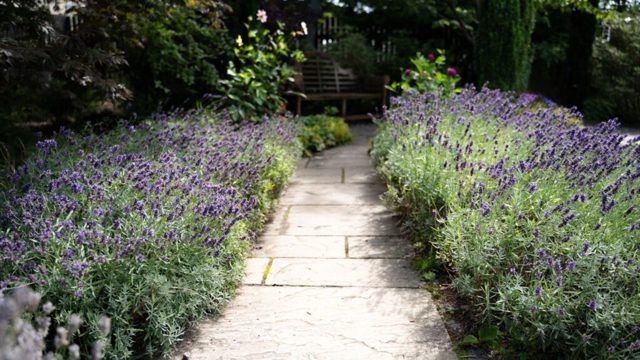
‘Throughout July you would normally be doing summer pruning on Wisteria, as well as Weigela and Philadelphus, which will have finished blooming and Lavender to keep it compact and prevent it becoming woody, as well as many other perennials and shrubs. However, these pruning tasks should be put on hold during a heatwave as it will simply cause problems for your plants,’ says Lucie.
‘When you prune plants, you trigger them to produce new growth, which relies on both water and energy from your plants, which they simply can’t supply during a heatwave when they are simply trying to survive. By removing foliage, stems and branches, you are also exposing previously shaded areas of your plants to direct sunlight, leaving these areas vulnerable to sunburn, scorching and sunscald.’
4. Cutting your grass too short
It’s also a good idea to leave your grass a little longer during heatwave periods. This can put unnecessary stress on your grass during hot weather.
‘One of the biggest mistakes homeowners make during hot weather is cutting the lawn too short. It might seem like a sensible way to reduce how often you need to mow, but removing too much of the grass blade leaves the lawn more exposed to the sun and can put unnecessary stress on it during periods of high temperatures,’ says Alexandra Alguel, Smart Home Living and Gardening Expert at ECOVACS.
‘Another common mistake is leaving the lawn for weeks because it’s hot, then giving it one dramatic cut once it starts looking untidy. Grass copes much better with regular, lighter trims than with having a large amount removed all at once, particularly during the summer months.
‘I also see people sticking with the same mowing routine regardless of the weather. The needs of your lawn change throughout the season, so continuing to mow at the same height during a heatwave isn’t always the best approach. Raising the cutting height slightly can make a big difference to how well the grass copes with prolonged periods of hot weather.’
5. Use weedkillers
Lastly, you should avoid using weedkillers during a heatwave simply because it’s too hot for these products to work effectively.
‘This ideal temperature for applying weedkillers is between 10 and 18 degrees Celsius, so during a heatwave you should stop using weedkillers as they will be both less effective and also potentially dangerous,’ says Lucie.
‘During a heatwave, your plants – and this includes weeds too – are simply trying to survive the intense heat and dry conditions, so don’t want to be putting energy into growing. This means that they often close the pores on their leaves to conserve moisture, so even if you spray them with weedkiller, it will not be absorbed and carried down to their roots.
‘In addition, weedkillers that contain ingredients like 2, 4-D and dicamba, when temperatures exceed 29 to 32 degrees Celsius, these chemicals can turn into vapour and damage plants which you didn’t want to spray.’
Help your garden in a heatwave
Kärcher
Kärcher Os 5.320 S Oscillating Sprinkler
This oscillating sprinkler is perfect for watering watering medium-sized and large areas and gardens up to 320m2. It makes it really to ensure your lawn is getting enough water.
Miracle-Gro
Miracle-Gro Water Storage Gel
Add this to your hanging baskets and containers to help your plants absorb water more efficiently.
STRIKING LAWNS
Premium Lawn Wetting Agent by Striking Lawns®
A wetting agent helps break surface tension on a lawn allowing water to reach the roots of your grass and prevent run out. It’s what the pros use at Wimbledon for a lush lawn.
That’s five jobs you can take off your to-do list!
Read the full article here